
With the cemetery and headstone identified, and the photo taken, the research can begin in earnest. Once I am back home, I straighten and resize the image, upload it to WordPress – the site I use to manage the Death and Service website – and set up a draft page for the person concerned.
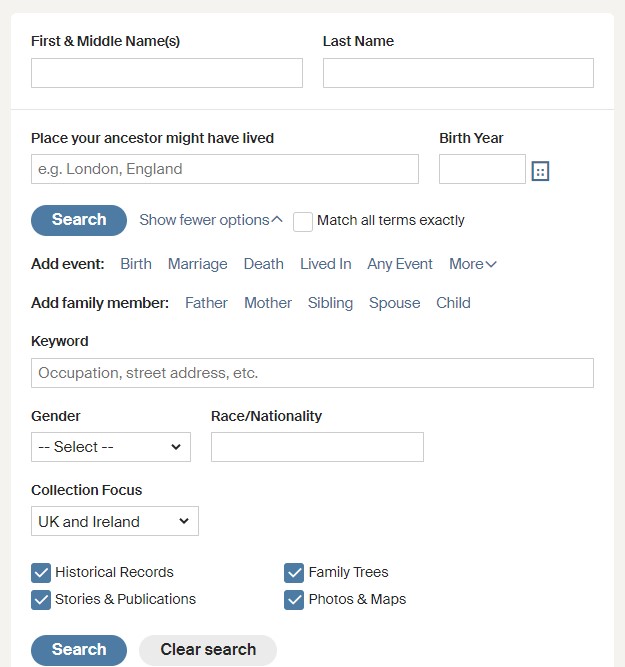
The key tool I use to undertake the research is the Ancestry website. This holds countless digitised records from around the world, and has proved time and again to be a great resource for uncovering people’s lives.
As a general rule of thumb, I start with the serviceman’s name, year of birth, location and, where I have it, the names of their parents and/or spouse. Usually, this will bring up a range of results and, if I am lucky, a family tree or two from others who have researched the same person.

One of these family trees may form the backbone of my entry on Death and Service. However, Ancestry will often provide access to documents to corroborate that information – or contradict it. Where new records come online, the tree itself may become out of date, and so, where I double check the information, new details come to light, to flesh out the previous research.
The range of records that Ancestry holds is impressive. Census returns from 1841 to 1911 (the rights to the 1921 census currently being held exclusively by the Find My Past website) are the most common go-to. These will provide details of the person being researched, along with other members of the household at the time the of the census. The document will generally include the name, age, place of birth, marital status, occupation and relationship to the head of the household.
Other details on the censuses my seem surprising for 21st century researchers. They routinely asked for details of a person’s physical and mental capacity were recorded in the way that only the Victorians and Edwardians could (‘Deaf-and-Dumb’, ‘Blind’, ‘Lunatic, Imbecile or Idiot’). Irish census records asked whether someone could read or write and what their religion was. The 1911 census, which, for the first time, gave a separate page to each household, and asked for the number of rooms in the residence.
Censuses allow you to track a person’s growth over time, changes in relationships that they may have, and also their social standing. Household occupants may not just be family members, but visitors and staff – maids, cooks, governesses and pages are often found recorded.
Through Ancestry it is often possible identify baptism, marriage and death records for the person I’m researching. Occasionally school records flesh out their education, workhouse admissions and prison records outline the low points in someone’s life, probate details show the legacy they have left behind them and who they have chosen to take on that legacy.
However, the key resources that Ancestry gives access to are the service records for the soldier, sailor, airman or nurse that I am researching. And they can prove interesting in their own right.
 Death and Service