
Service records can reveal a lot about a soldier, sailor or airman’s time in the military, but may not delve too deeply into where someone fought. This is often down to the practicalities of the time – the Front Line was understandably chaotic and, as the war drew on, personnel were moved to where they were required, often at short notice.

The Long, Long Trail website aims to make sense of the movements of the British Army during the First World War. Chris Baker, who runs the site, admits that his mission is to make the best and most helpful reference site about the conflict, and he absolutely achieves that aim.
The website provides insights into researching a soldier’s life, and outlines the major fronts and battle lines during the war, but for me this is not the key resource the site provides.

There is a wealth of information on the regiments that made up the army on the site’s pages. Each regiment is then split into battalions, which are then linked to the divisions with which they served. The site pulls together the chronology of the divisions and the battles in which they fought.
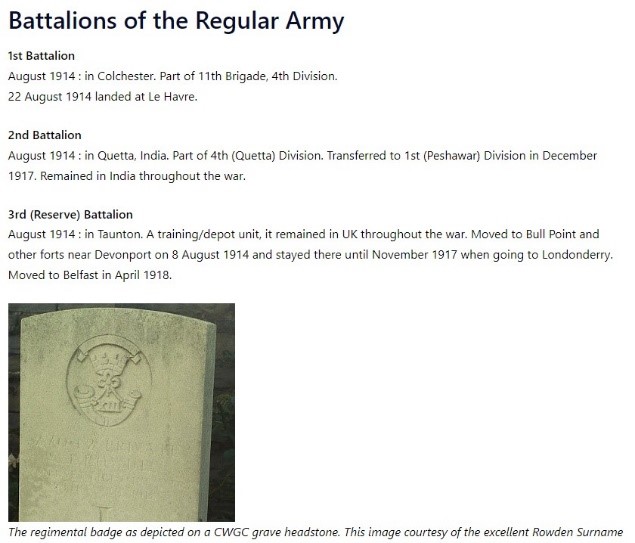
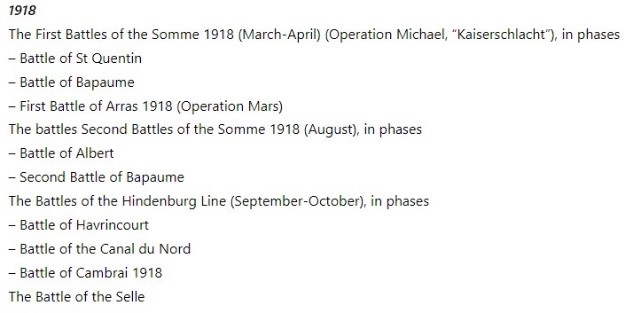
For me, this level of detail helps identify a soldier’s location at a particular point during the war. If he was then been medically evacuated to Britain for treatment, it becomes possible to identify – or at least narrow down – the battle that resulted in his injury. If that soldier has subsequently died, being able to pinpoint the location he received his wounds brings an additional level to the story and really helps personalise the life I am researching.
Back on the Home Front, formal records confirm someone’s death and burial location. These documents, however, are rightly official, and do not provide the personal connection to the person’s life that you may get through hearsay, for example. Newspaper records, on the other hand, can shed an interesting light onto someone’s life…
 Death and Service