
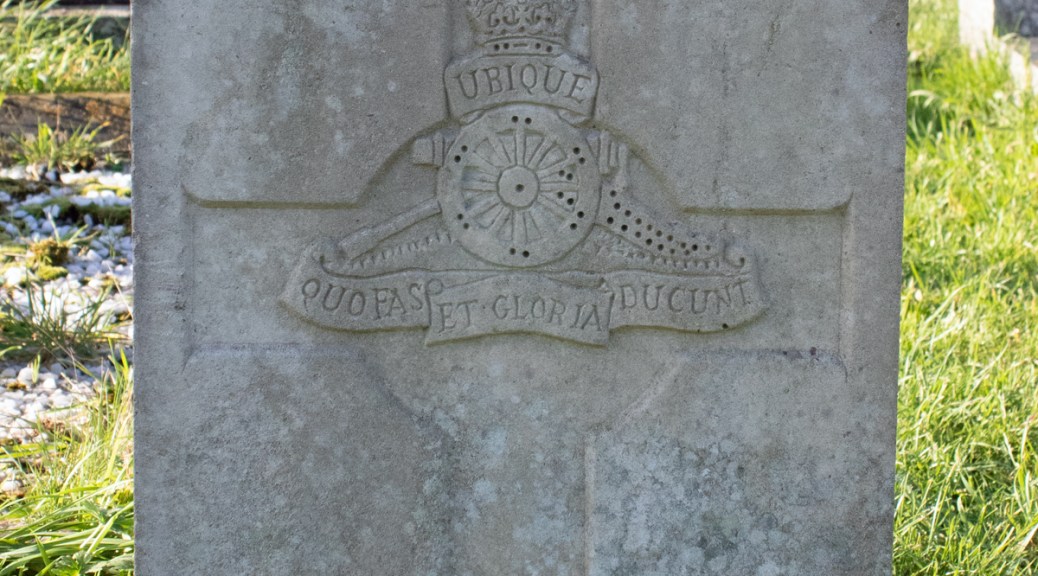
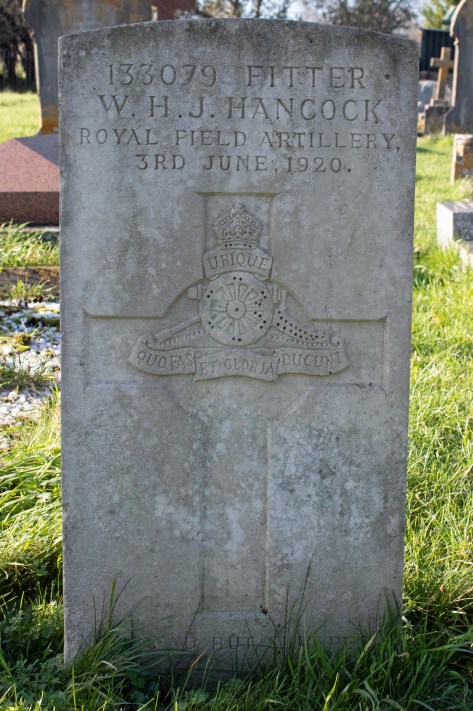
William Henry John Hancock was born in the autumn of 1896 in the Wiltshire village of Semington. One of three children – although one of his siblings had died before he was born – his parents were Henry and Alice Hancock. Henry’s line of work seemed to change over time: William’s baptism record notes he was a baker; the 1901 census suggests he was a poulterer and fishmonger; by 1911 he is recorded as being a market gardener.
William was recorded in census records as John, although his family and friends called him Jack. The 1911 document confirms that, at 14 years of age, he had completed his schooling and was employed as a rubber worker at the local India Rubber factory. His older brother, Richard, was also working, though as a wood trellis maker in a local saw mill. The Hancock family had also taken in two lodgers: William Haines was also a rubber worker, while Herbert Reynolds was employed at the saw mill as well.
When conflict broke out in Europe, William – Jack – was called upon to play his part. Full details of his service have been lost to time, but it is clear that he enlisted in the Royal Field Artillery as a Fitter, and was assigned to B Battery of the 2nd Reserve Brigade. A territorial unit, it seems likely that he was assigned to them while recovering from an illness contracted overseas. By 21st December 1918, Fitter Hancock had been discharged from service, as he was physically unfit to continue.
Jack returned home to Wiltshire, and is likely to have tried to pick up on his previous life. His health had been impacted, however, and he passed away after “a short illness” [Wiltshire Times and Trowbridge Advertiser: Saturday 12th June 1920] on 3rd June 1920: he was 23 years of age.
The body of William Henry John Hancock – Jack to his friends – was laid to rest in the graveyard of St George’s Church in his home village.
As an interesting aside, a newspaper reported on a luck escape that Henry had had back in 1911:
Last week Mr Hancock, of Semington, on going to the fowl cote found a snake quite a yard and a half long, and as thick as one’s arm. It had a toad in is mouth, and was seen to make a hasty meal of this. Mr Hancock killed the unwelcome visitor with a hay-fork
[Devizes and Wilts Advertiser: Thursday 13th July 1911]

