


Arthur Edward Naile was born in the summer of 1888, the youngest of ten children to James and Mary Naile. Both of his parents were born in Bath, Somerset, and this is where they raised their growing family.
The Nailes lived in the Camden area of the city, consecutive census returns showing different addresses, as the children grew and then left home. In 1891, they lived at 11 Malvern Buildings, a small terraced house on a steep hill. Ten years later, they had moved to 3 George’s Road, to another terraced cottage close to their old home. By 1911, only Arthur was still living at home, which was now the four-roomed terrace at 51 Brooklyn Road, in the more built up Larkhall area no the northern outskirts of the city.
During all of this time, James had worked as a printer’s compositor. By 1911 he was 64 years of age, and was employed by a newspaper in the area. Arthur, meanwhile, was working as a grocer’s assistant.
On 9th August 1914, he married soldier’s daughter Bessie Brine. She was working as a dressmaker, and lodging with Charles and Eleanor Richman, in a small cottage in Dover Place. Their marriage certificate shows that Arthur was living three doors down, so it is likely she caught his eye not long after he moved in. They went on to have a son, Leslie, in November 1916.
War was raging across Europe by this point, and Arthur had stepped up to serve his country. He joined the Royal Engineers as a Sapper, but there is little concrete information about his time in the army. He was awarded the Silver War Badge, which was given to men medically discharged from military service during the conflict, which would suggest that he was badly wounded at some point. He died in a hospital in Hastings, East Sussex, an annexe of which was dedicated to personnel who had been blinded during the war.
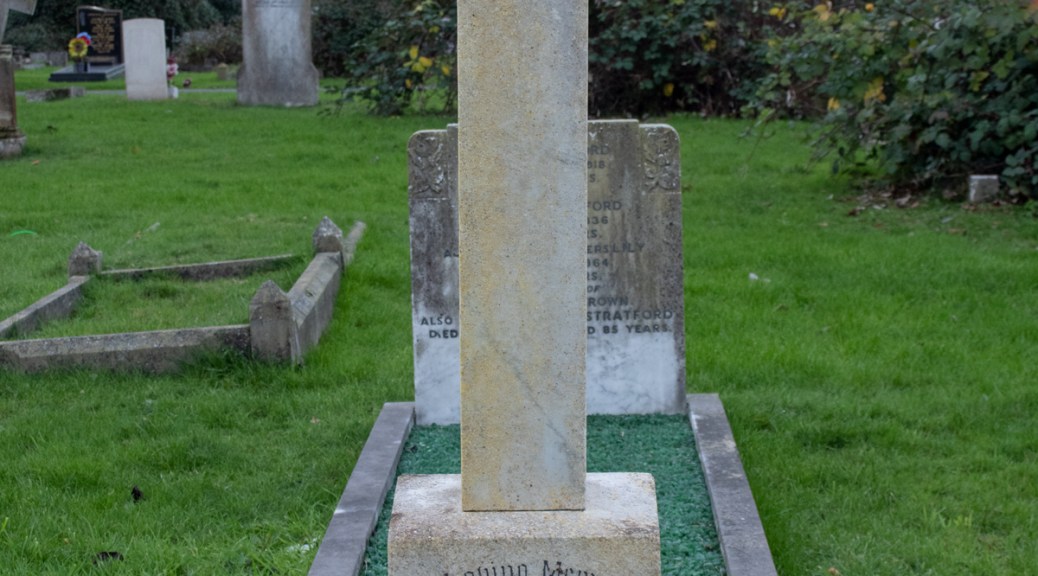
Sapper Arthur Edward Naile passed away from a combination of influenza and diabetes on 31st October 1918: he was 30 years of age. His body was taken back to Somerset for burial, and he lies at rest in a peaceful corner of Bath’s sweeping Locksbrook Cemetery.
After Arthur’s death, Bessie was left to bring up their young son. In the autumn of 1923, she married again, to John Forman, and not long afterwards the three of them emigrated to Australia, in search of a better life. They settled in Bunbury, Western Australia, and went on to have two children, Ron and Nan.
When war broke out again, Leslie was old enough to step up, and joined the Royal Australian Air Force. By 1943, he found himself as a Flight Sergeant in Waltham, Lincolnshire. He had joined 100 Squadron of Bomber Command and, on the night of 25th June 1943, was piloting a Lancaster over the Netherlands. His plane was hit and destroyed, killing all those on board. Father and son both lost to war, Flight Sergeant Naile was just 26 years of age when he passed. He was buried in Westbeemster, and commemorated on memorials in Runnymede, Surrey, and Canberra, Australia.
Bessie lived on until her early 70s. She died on 8th December 1960, and is buried in the family plot in Bunbury Cemetery.

 Death and Service