Tag Archives: meningitis

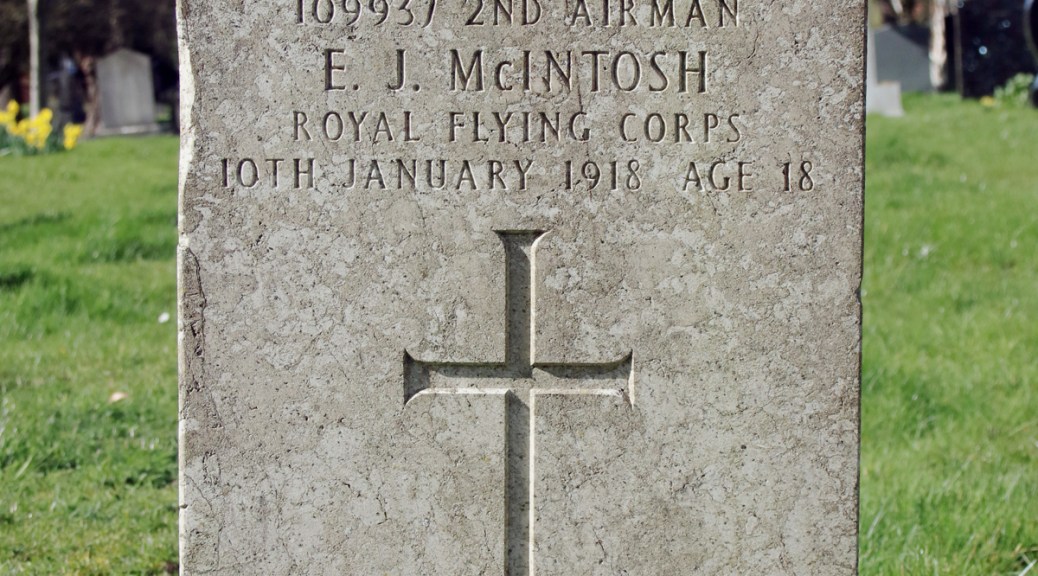
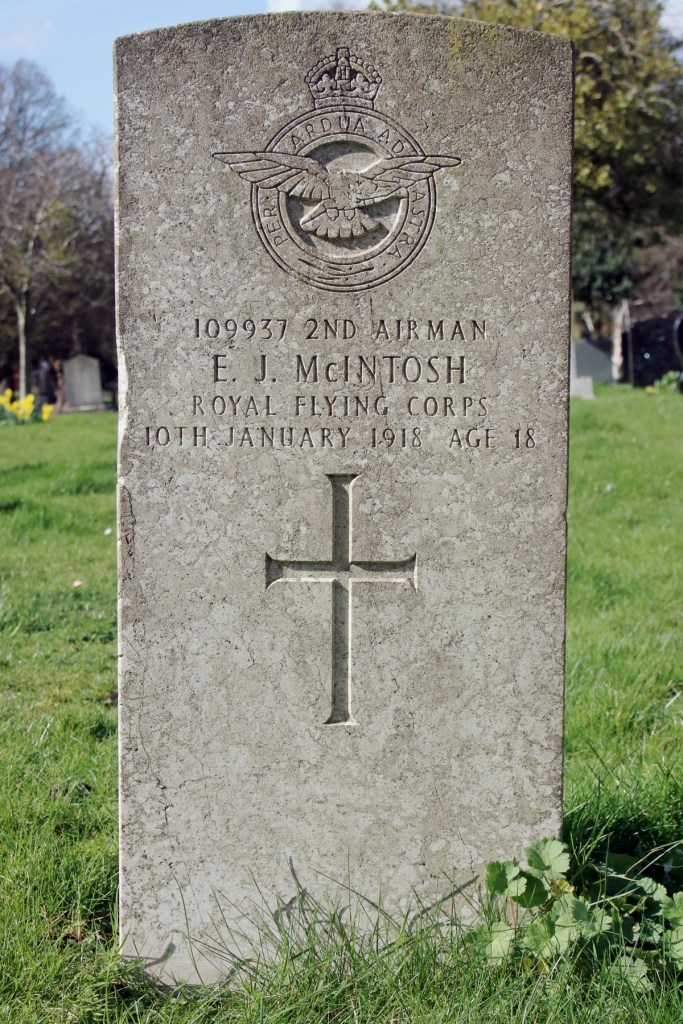
Air Mechanic 2nd Class Edward McIntosh

Air Mechanic 2nd Class Edward McIntosh

Edward James McIntosh was born in January 1899, the youngest of four children to Henry and Caroline McIntosh from Gillingham in Kent. Henry and Caroline ran a greengrocer’s and their eldest son, Harry, followed them into the business when he left school. One of Edward’s sisters Beatrice became a dressmaker, while the other, Gertrude, became a servant for the secretary to an engineering company.

Sadly, little else remains of young Edward’s life. He enlisted in the Royal Flying Corps when war broke out; given his age, it is unlikely that he signed up before 1917, although there is no record to confirm this.

Edward achieved the rank of Air Mechanic 2nd Class (although his gravestone gives his rank as Second Airman), but there is little more documentation to flesh out his military service.

Edward was admitted to the Military Hospital in Aldershot in January 1918, suffering from meningitis. Sadly this was to take his life, and he passed away on 10th January 1918, having just turned 18 years old.

Edward James McIntosh lies at rest in the Woodlands Cemetery in his home town of Gillingham, Kent.


Serjeant Henry Cummings

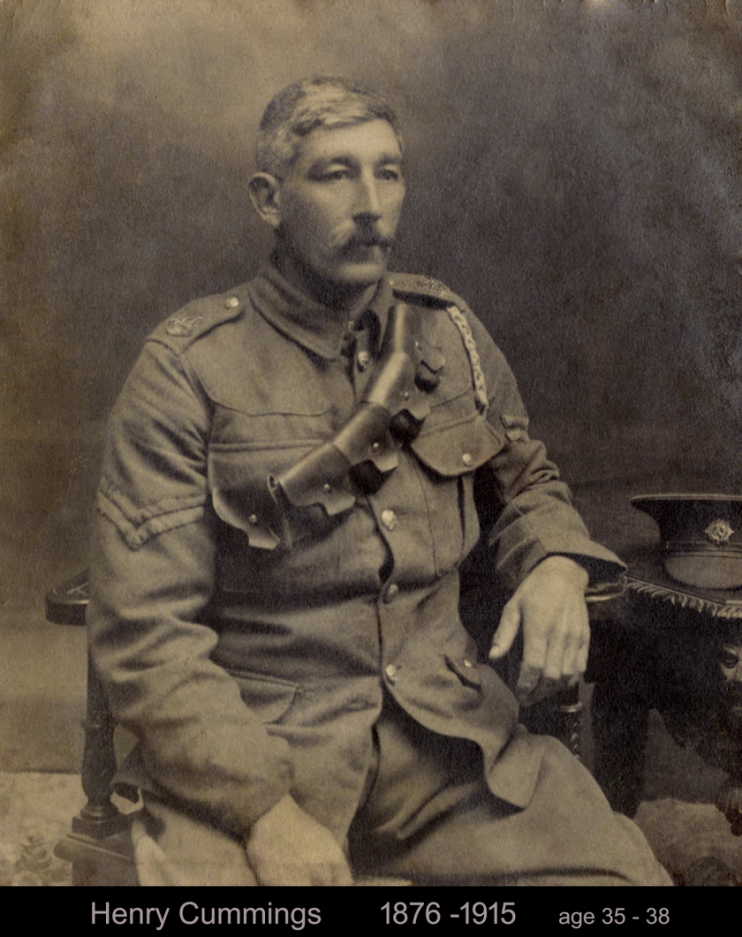
Sergeant Henry Cummings

Henry Cummings was born in the village of Wembdon, near Bridgwater in Somerset in 1876. The son of agricultural labourer John and his wife Jane, Henry was one of six children.

When he left school, Henry followed his father into agricultural labouring, as his older siblings had done before him. Jane had died when Henry had just reached his teens, so he continued to live with his widowed father, and was recorded there as late as the 1911 census.

On 4th August 1912, he married Sarah Palmer in Wembdon Parish Church; Henry was 36 by this point, and his new wife was 30. They couple may not have thought they could have children, as they went on to adopt a girl, Edith, who was six years old when they had married.

From a military perspective, it appears that Henry had initially tried to enlist in 1908. Based on his service records, it seems that he was not accepted at that point, but when war broke out, things were a different matter. He joined the Army Service Corps on 6th January 1915, attaining the rank of Sergeant.

Henry’s service was to be cruelly short, at just 85 days. Hospitalised in Rugby, Sergeant Cummings passed away from cerebrospinal meningitis on 6th April 1915. He was 38 years old.

Henry Cummings was brought back to Bridgwater for burial, and lies at rest in the Wembdon Road Cemetery there.


In September 1915, Sarah gave birth to a baby girl, Irene. Henry was never to see his little girl, and, tragically, may not even have known he was to be a father.


Photo courtesy of ancestry.co.uk

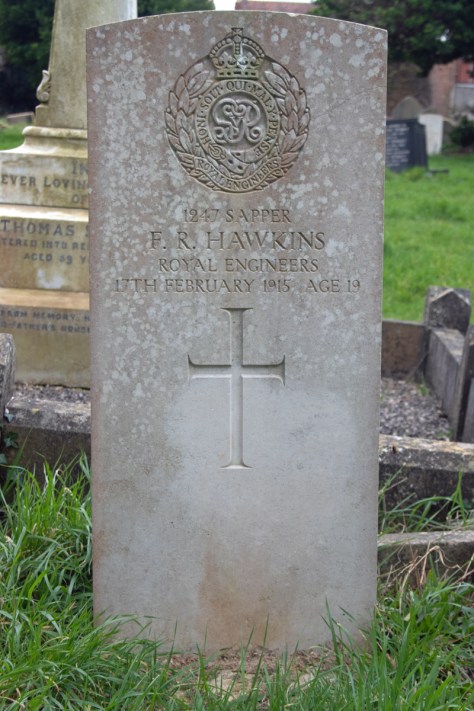
Sapper Francis Hawkins

Bridgwater (Wembdon)

Francis Ralph Hawkins was born in Somerset in March 1895 and was one of twelve children to Charles and Jane Hawkins. Charles was a police sergeant and the family lived in Bishop’s Lydeard, a village to the west of Taunton.

By the time of the 1911 census, Charles had retired from police work, and was operating as a licenced victualler in nearby Bridgwater. While Jane was supporting her husband running the business, Francis was apprenticed to a local clothier.

When war broke out, Francis was quick to enlist – he joined the Royal Engineers, and was appointed a Sapper. He wasn’t with the company for that long, however, as by February he had been admitted to the Red Cross Hospital in Christchurch, Dorset, with a fever.

Sadly, he was not to recover; Sapper Hawkins passed away from spinal meningitis on 17th February 1915. He was just 19 years of age.

Francis Ralph Hawkins lies at rest in the Wembdon Road Cemetery, Bridgwater.


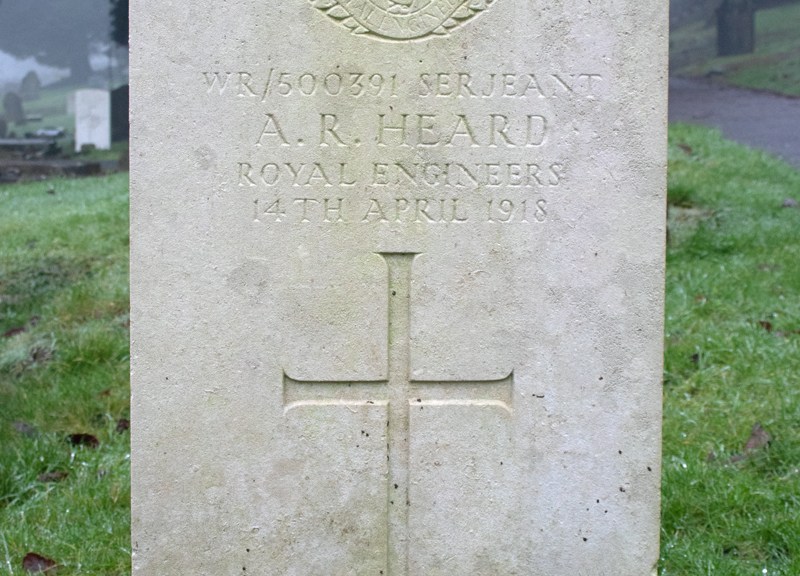
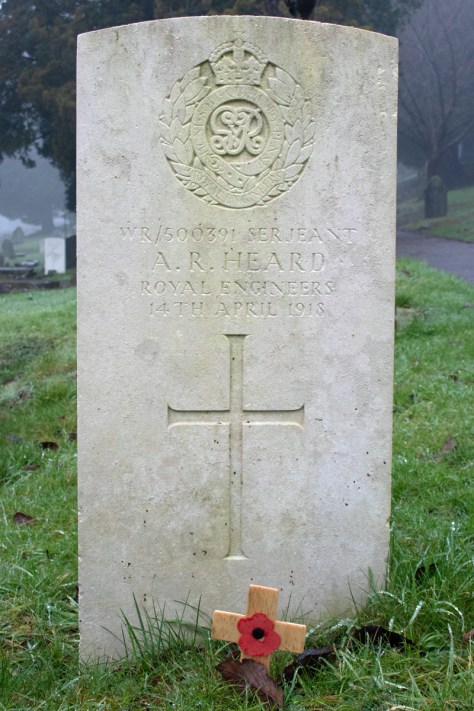
Serjeant Arthur Heard

Serjeant Arthur Heard

Arthur Reginald Heard was born in 1887, the youngest son to Herbert and Emily. Herbert was a local surveyor and land agent, and the family lived in the middle of Shepton Mallet in Somerset, two doors up from the town’s Baptist Church and within sight of the Magistrate’s Court.

In 1908, aged 21, Arthur made the journey across the Atlantic to Argentina, settling in Buenos Aires and working for the Pacific Railway Company. When war broke out, however, he immediately returned to England, when he enlisted in the army, and was assigned to the Royal Engineers.

Sapper Heard was shipped out to France and was quickly promoted, first to Corporal, then to Serjeant. In November 1917, Arthur was caught up in a shell impact on the front, and was buried. He was quickly dug out, and not severely hurt.

On 25th March 1918, Serjeant Heard was due to return home on leave, but was taken ill. Back in England, he was hospitalised in Birmingham, where meningitis was confirmed. He seemed to recover – even going out for tea with his sister-in-law when she visited him – and was transferred to recuperate in Saltash, Cornwall.

Within days of arriving, he collapsed with a fit, and passed away within half an hour. Subsequent examination confirmed that Arthur had died from a brain tumour. He was just 30 years old.

Arthur Reginald Heard lies at rest in the cemetery of his home town, Shepton Mallet.


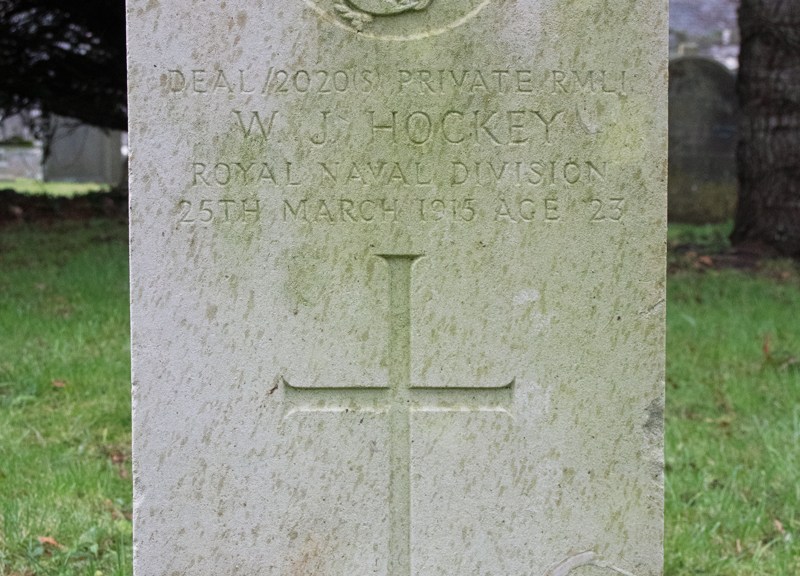
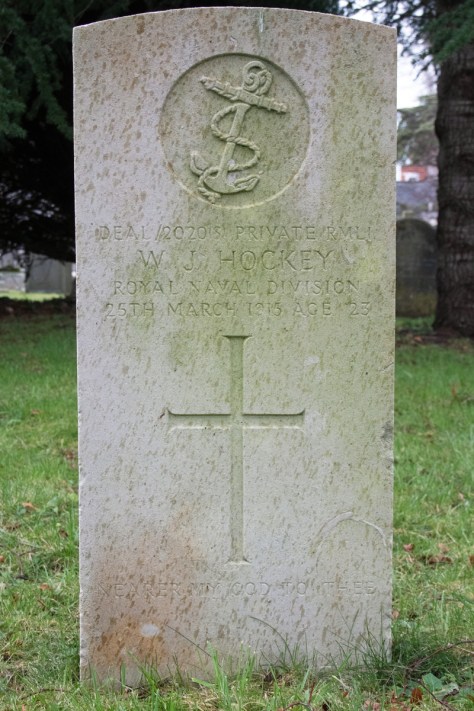
Private Wilfred Hockey

Private Wilfred Hockey

Wilfred James Hockey was born in September 1892, the sixth of nine children to William and Mary. William was the village butcher, but Wilfred followed his older brother Oliver into the gardening business.

Military records for Wilfred are difficult to locate, but it appears that there is a reason for this.

He enlisted in February 1915, joining the Royal Marine Light Infantry. His initial service took him to Crystal Palace in South London – then a naval training base.

Returning home on leave on 12th March, Private Hockey fell ill on his first evening at home. Quickly diagnosed with ‘spotted fever’ (or meningitis), he sadly passed away on 25th March. He was just 23 years of age.

Wilfred Hockey lies at rest in the graveyard of St Matthew’s Church in his home village of Wookey, in Somerset.


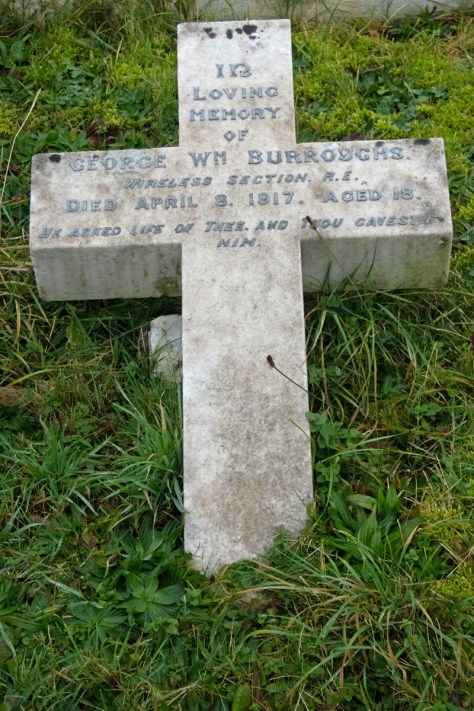
Pioneer George Burroughs

Pioneer George Burroughs

George William Burroughs was born in 1899, the eldest of two sons to harness maker Stratton Burroughs and his wife Alexandra. George was born in Warminster, Wiltshire, but the family soon moved closer to Alexandra’s family in Somerton, Somerset.

The 1911 census found the young family living in Market Place in the centre of Somerton, with a visitor, fancy goods seller Joseph Cazes from Constantinople.

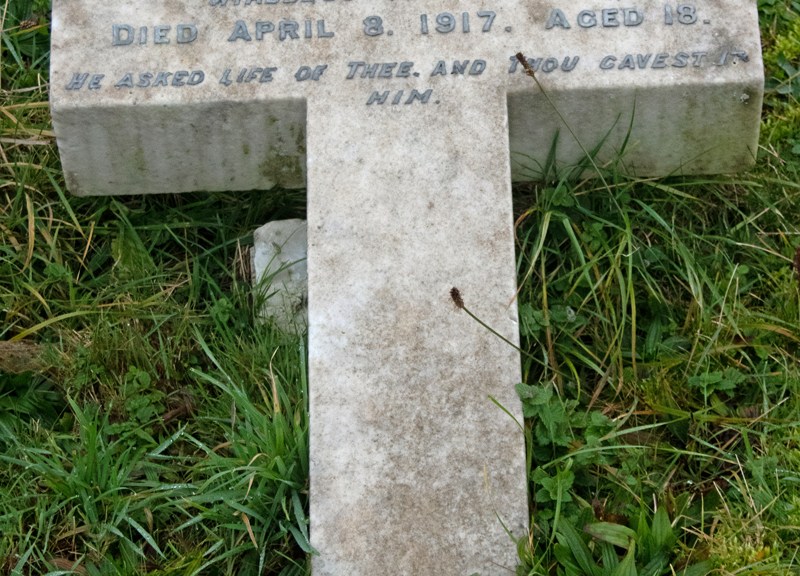
George seems to have enlisted almost as soon as he was old enough to do so, giving up his job as a school teacher (surprising given he was only 17 at the time). He signed up for the Royal Engineers in January 1917, gaining the role of Pioneer.

Sadly, his time in the services was very short. Within weeks of being posted, Pioneer Burroughs was admitted to hospital with meningitis, an illness that was becoming more widespread within the armed forces.

Tragically, after a month in the Norton Barracks Military Hospital in Worcestershire, George passed away from the disease. He was just 18 years old.

George William Burroughs lies at rest in the cemetery of his home town of Somerton.


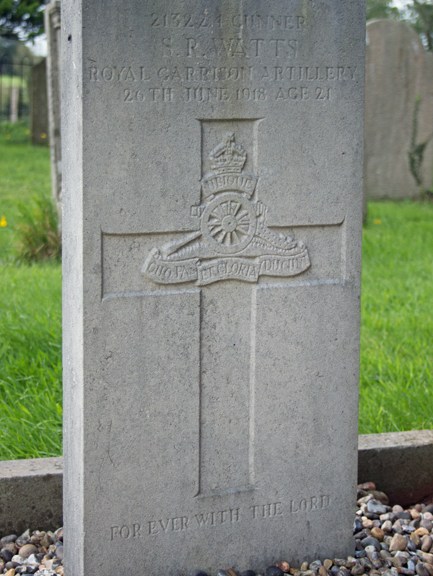
Gunner Samuel Watts

Gunner Samuel Watts

Samuel Reginald Watts was born in 1897, the seventh of eight children of Samuel and Augusta Watts.

He followed his father and brothers into the main industry in the area – coal mining – and was certainly working down the pits by the time of the 1911 census.

Samuel enlisted on 21st April 1918, and joined the Royal Garrison Artillery, which focused on heavy, large-calibre guns and howitzers that were positioned some way behind the front line. He was 5’5″ (1.65m) tall and weighed 144lbs (65kg). According to his war records, he had brown hair, hazel eyes and a fresh complexion.

His service started the very next day, when he was transferred to the Citadel in Plymouth for training.

After feeling unwell, complaining of headaches and a sensitivity to light, Gunner Watts was admitted to the Netley Hospital in Southampton on 18th June 1918. He was diagnosed with cerebrospinal fever, more commonly known as meningitis, and was treated over the next week.

Sadly, the treatment did not work, and Gunner Samuel Watts passed away on the evening of 26th June 1918. He had been in the army for a little over two months and had not seen active service.

Samuel Watts lies at peace in the graveyard of St John’s Church, Farrington Gurney.