Tag Archives: 1916

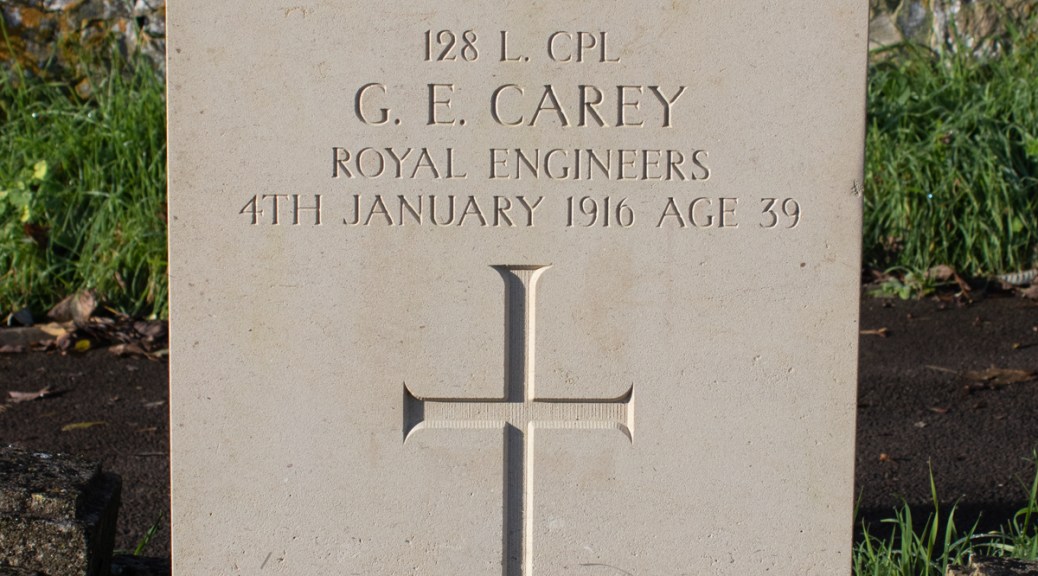
Lance Corporal George Carey

Lance Corporal George Carey

George Edward Carey was born at the start of 1877 and was the oldest of eight children to Samuel and Hester Carey. Samuel was a solicitor’s clerk from Clevedon in Somerset, and this is where the family were born and raised. Samuel was not one to sit on his laurels, however, and the 1891 census recorded his occupations as law clerk, innkeeper and insurance agent.

George followed a different path to his father, and found work as a printer’s apprentice when he finished his schooling. He worked up to being a full compositor quite quickly, and was employed as such when, on 30th January 1899, he married Lizzie Taylor. A civil engineer’s daughter, she was working as a teacher when the couple wed: they set up home in Clevedon, and went on to have four children.

By 1911, the Carey family were living in a seven-room house on Strode Road, Clevedon. George was still working as a compositor, but was employed by the local sanitary works. His widowed brother, Albert, who was lodging with his brother and sister-in-law also did the same job.

With storm clouds brewing over Europe, George stepped up to play his part. He enlisted in the Royal Engineers in the autumn of 1914 and was attached to the 503rd Field Company in Exeter. Little information is available about his time in the army, and he only comes to light again a year or so later.

Lance-Corporal Carey, 2nd Wessex RE, who has been employed at the office in Colleton-crescent, Exeter, was found dead, with his neck broken, at the bottom of a flight of stairs at the Grapes Inn, South-street, on Thursday morning. The discovery was made by Mrs Dorothy, wife of the licensee of the inn. Information was given to the police, and Dr Pereira visited the scene, and subsequently the body was removed to the mortuary by PCs Wise and Barrett. Carey was fully dressed. He was about 48 years of age, and leaves a widow and four children. For about fourteen months he had been engaged on the Wessex RE staff, and was billeted at a house in the Friars. His home is at Clevedon, Somerset, where he was engaged as a compositor before mobilisation with the Territorials. He was under orders for transfer to another station.

Taunton Courier and Western Advertiser: Wednesday 12th January 1916

George Edward Carey died on 4th January 1916: he was, in fact, not quite 39 years of age. His body was brought back to Somerset for burial and was laid to rest in the stunning graveyard of St Andrew’s Church in his home town of Clevedon.


Private Wilfred Butler

Private Wilfred Butler

Wilfrid Hinton Butler was born on 11th June 1895 in Cowley, Oxfordshire, one of four children to Alexander and Mary Butler. Alexander was a foreign stamp importer who, by 1899, had moved the family to the outskirts of Clevedon, Somerset.

The 1911 census found Alexander and Mary living in Clevedon, with Wilfrid’s two younger siblings. Wilfrid himself is missing from the document and, intriguingly, his parents are noted as having only two children: this is likely an misunderstanding over the number of children, and the number residing at home.

At this point, Wilfrid drops off the radar completely, and it is only through later documentation that we can identify what became of him. When war broke out, he joined up, enlisting in the London Regiment. Initially assigned to the 15th (County of London) Battalion (Prince of Wales’s Own Civil Service Rifles), he moved across to the 13th (County of London) Battalion (Kensington) at some point during the conflict.

Private Butler was firmly ensconced in northern France by 1916 and his unit fought in some of the bloodiest battled of the Somme. He was not to come out unscathed, however, and it is likely that he was wounded during the Battle of Morval.

The injuries Private Butler had received were severe enough for him to be medically evacuated back to Britain for treatment. He was admitted to hospital in Kings Norton, Birmingham, but his wounds were to prove fatal. He passed away on 2nd October 1916: he was 21 years of age.

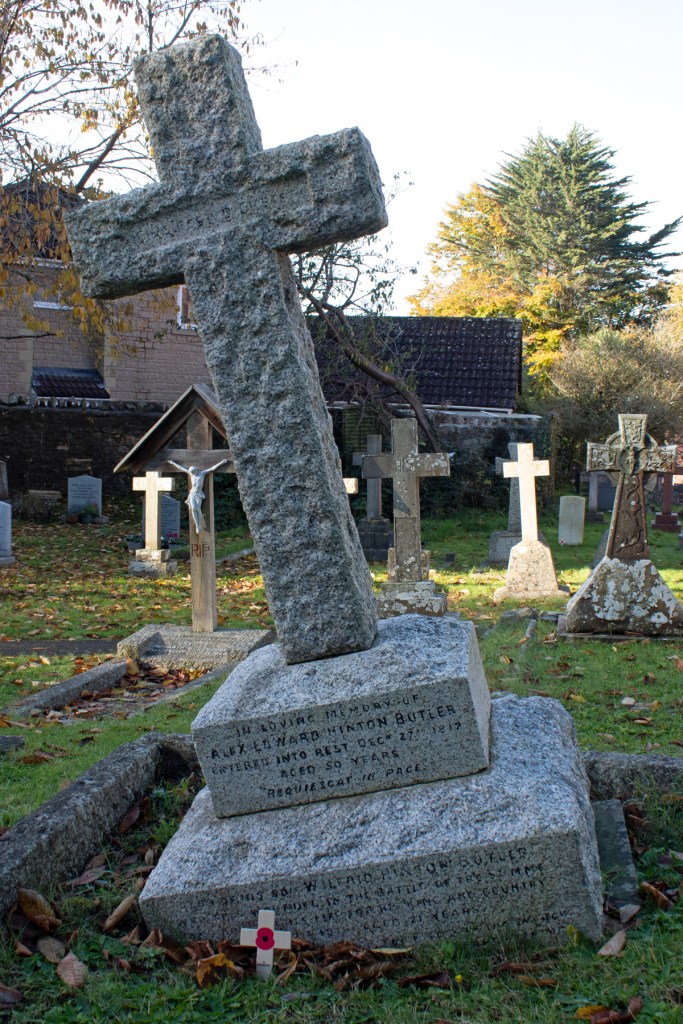
Wilfrid Hinton Butler was taken back to Somerset for burial. He was laid to rest in the graveyard of St Mary’s Church, Walton Clevedon.


Rifleman David Orr

Rifleman David Orr

David Orr was born in Ballymena, County Antrim, in 1897, one of five children to William and Annie Orr. William was employed as a railway porter but, when Annie died in the early 1900s, he took on work as a dealer.

By the time of the 1911 census, David, who was now 13 years old, had taken a job as a message boy. War was coming to Europe, however, and he felt it his duty to serve his King and Country.

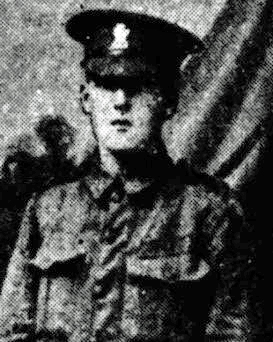
David joined the Royal Irish Rifles, and was attached to the 18th Battalion. He “was one of the first in [the] district to join the Ulster Division when it was formed in September 1914, and began his training at Cleggan Camp. He was subsequently transferred with his regiment to Clandeboye, where he completed his training…” [Ballymena Weekly Telegraph: Saturday 26th February 1916]

Rifleman Orr’s unit arrived in France on 5th October 1915, but was only overseas for a matter of months.

While serving in the trenches, he was stricken by illness, and was eventually sent back to England and underwent treatment in the 4th London General Hospital, Denmark Hill, and at the Wallace Field Convalescent Home, Croydon. His condition improved somewhat, and he was afterwards transferred to Victoria Barracks, Belfast; but the improvement was, unfortunately, only of a temporary nature…

Ballymena Weekly Telegraph: Saturday 26th February 1916

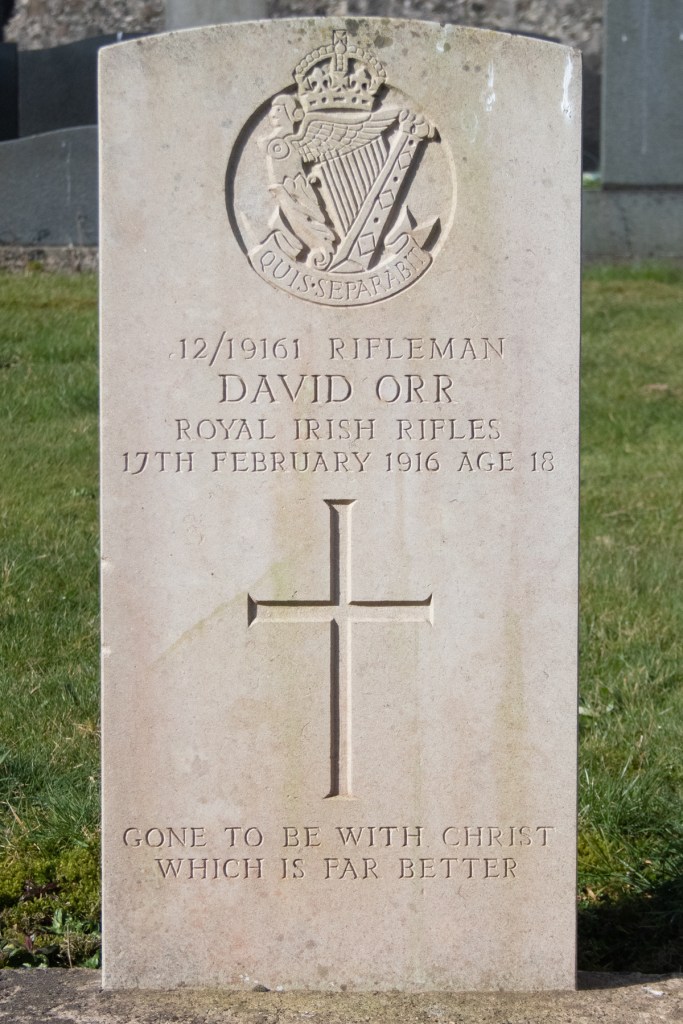
David Orr passed away on 17th February 1916: he was 18 years of age. He was laid to rest in Ballymena New Cemetery, not far from where his family still lived.


Rifleman David Orr
(from britishnewspaperarchive.co.uk)

Private John Payn

Private John Payn

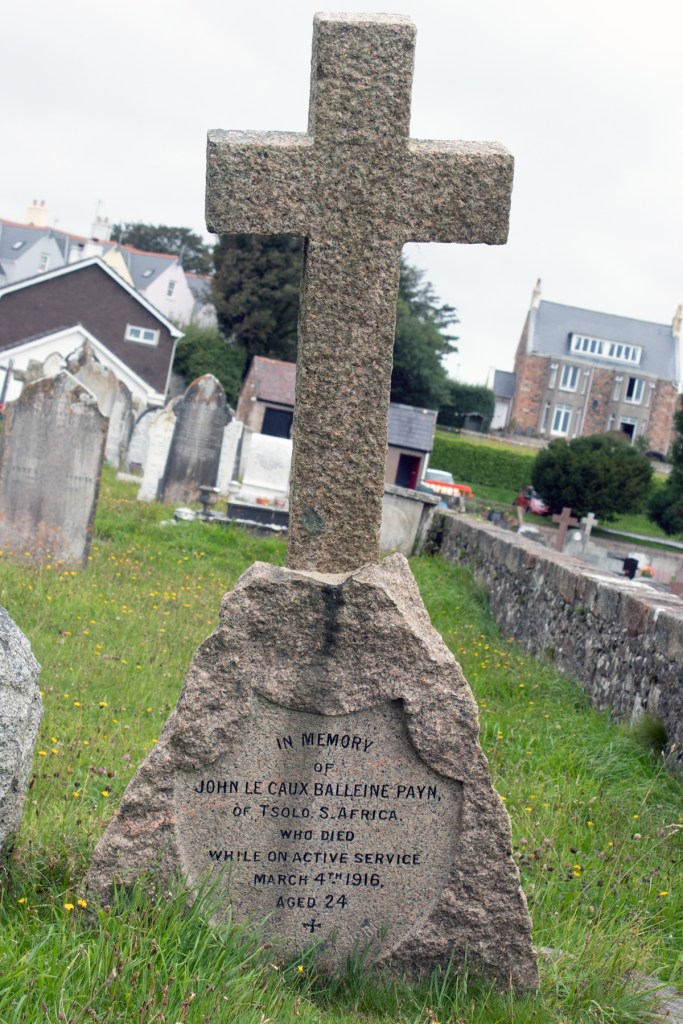
John le Caux Balleine Payn was born in South Africa in 1892. The sixth of seven children, his parents were Jersey-born Philip Payn and his wife, Mary, who came from the Eastern Cape.

There is tantalisingly little information available about John’s life. When war was declared in Europe, he answered the call from King and Empire, and enlisted in the South African Infantry. His regiment – the 1st – fought in North Africa and at the Somme, but it is not clear when and where he was based.

It is likely that Private Payn either had a base in the UK, or that he was hospitalised there following an illness or an injury. He passed away, through causes unconfirmed, on 4th March 1916. He was just 24 years of age.

It was impractical to repatriate John le Caux Balleine Payn’s body to South Africa for burial. Instead, he was laid to rest close to his father’s family, in St Martin’s, Jersey.


Private Wilfred le Breton

Private Wilfred le Breton

Wilfred John le Breton was born in Trinity, Jersey, on 25th August 1888. The fifth of eleven children, his parents were Thomas and Mary Ann le Breton. Mary died in 1898, and the family pulled together to support each other. Thomas was a mason, and when he finished his schooling, Wilfred followed suit.

On 8th January 1916, Wilfred married Louisa Allo. The daughter of a labourer from St Lawrence, she was working as a domestic servant when the couple wed: Wilfred, by this point was employed as a plasterer.

At this point, Wilfred’s trail goes cold. War was raging across Europe, and he enlisted in the Royal Jersey Militia. Private le Breton remained stationed on the island, but his specific role is unclear.

The next document relating to Wilfred’s life is that of his passing. He died on 23rd November 1916, at the age of 28 years old. The cause of his demise is unclear.

Wilfred John le Breton was laid to rest in Trinity Churchyard, Jersey. His exact grave is unknown, but a Commonwealth War Graves Commission headstone commemorates his life.


Private Christopher Runnalls

Private Christopher Runnalls

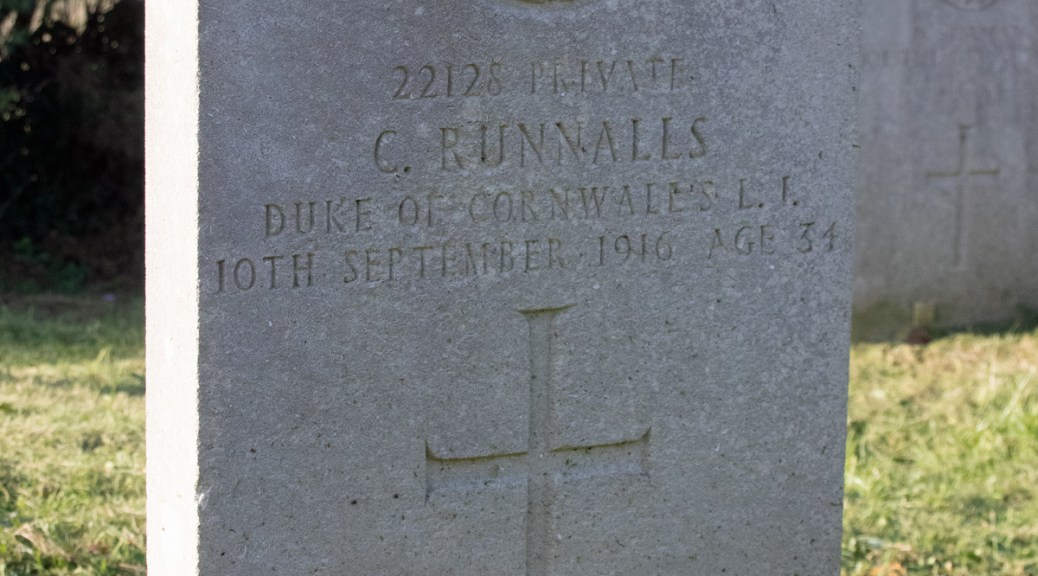
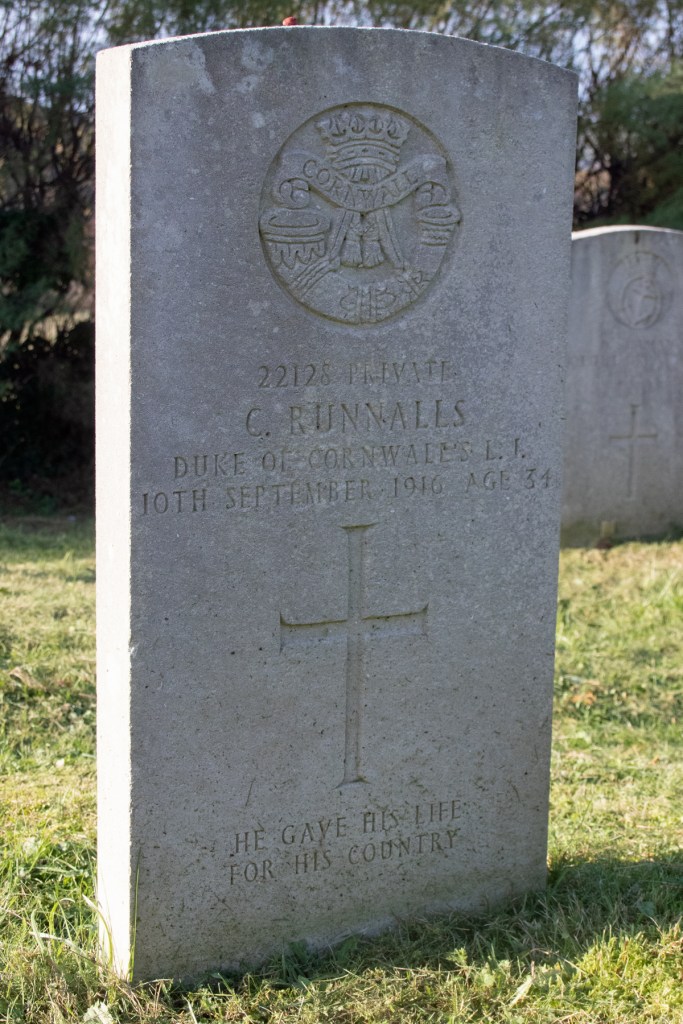
Christopher Runnalls was born in the village of Cardinham, Cornwall, in 1892. The fourth of five children, his parents were game keeper John Runnalls and his wife, Mary. Christopher – who was better known by the nickname Kitt – didn’t follow in his father’s footsteps, instead finding work as a stone mason when he finished his schooling.

Kitt moved to St Minver, near Wadebridge, for work and, in 1907, he married Susan Buse. The couple set up home in a small cottage in the village, sharing their home with Susan’s niece, Vivian.

When war was declared, Kitt stepped up to play his part. He enlisted in the Duke of Cornwall’s Light Infantry, and, as a Private, was assigned to the 10th (Service) Battalion, also known as the Cornwall Pioneers. He soon found himself on the Western Front and, in the summer of 1916, was caught up in the Somme.

Pte. Kitt Runnals [sic], of the DCLI, who was wounded in France on August 10th, and was brought to Leeds Great Northern Hospital, died at that institution on September 10th. The body was brought to St Minver and buried at [St Enodoc’s Church] on Thursday, the 14th.

[He] was one of the most respected men in the parish. He was a mason by trade. When war broke out he thought it his duty to join up. He was a member of the United Methodist Church. He leaves a widow but no family.

Newquay Express and Cornwall County Chronicle: Friday 22nd September 1916

Christopher ‘Kitt’ Runnalls was 34 years old when he passed. He lies at rest in the peaceful landscape of St Enodoc’s Church, Cornwall.


Private William Profitt

Private William Profitt

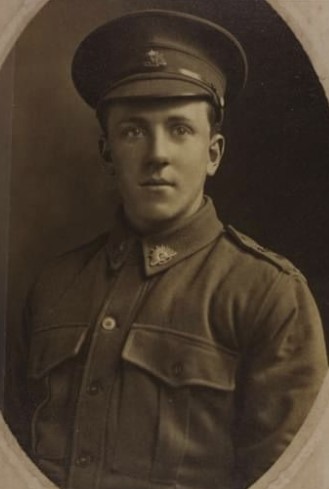
William James Profitt was born on 20th August 1894 in Collingwood, Victoria, Australia. The oldest of ten children, his parents were Cornish-born Francis Profit and his Australian wife Mary.

Little information is available about William’s early life. When he finished his schooling, he found work as a salesman, and this is the work he was doing when war was declared in Europe.

William felt duty bound to serve his King and Empire, and, on 5th July 1915, he enlisted in the Australian Imperial Force. His service records confirm that he was just 5ft 2.5ins (1.59m) tall, weighing 8st 4lbs (52.6kg). He was noted as having cark brown hair, blue eyes and a fresh complexion: he had a scar on his left cheek.

After initial training, Private Profitt arrived in Alexandria, Egypt. He was assigned to the 23rd Battalion of the Australian Infantry and, by 30th March 1916, he was in France. William’s unit was one of the many to become entrenched at the Somme, having been evacuated from Gallipoli just weeks before he had arrived in Europe.

On 2nd August Private Profitt was admitted to a camp hospital in Boulogne with a sprained ankle. The medical report noted the injury as trivial, having occurred when, on ‘being relieved from trenches [he] slipped and fell into an old German dugout.’ By 21st August he was back with his unit, now based in Etaples.

Just a week later, William was sent to a casualty clearing station in Rouen, having been shot in his right elbow. Less trivial an injury this time round, he was medically evacuated to Britain for treatment, and was admitted to the Cambridge Military Hospital in Aldershot, Hampshire.

Private Profitt’s injury should not have been a life-threatening one, but septicaemia set in. His condition worsened, and he passed away on 25th October 1916. He was just 22 years of age.

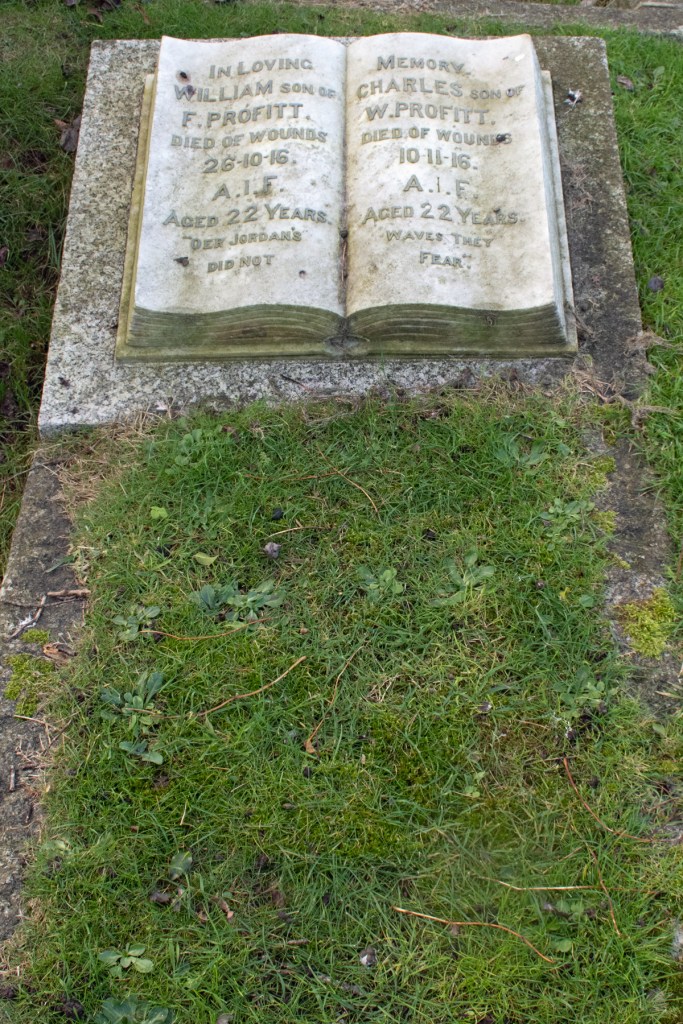
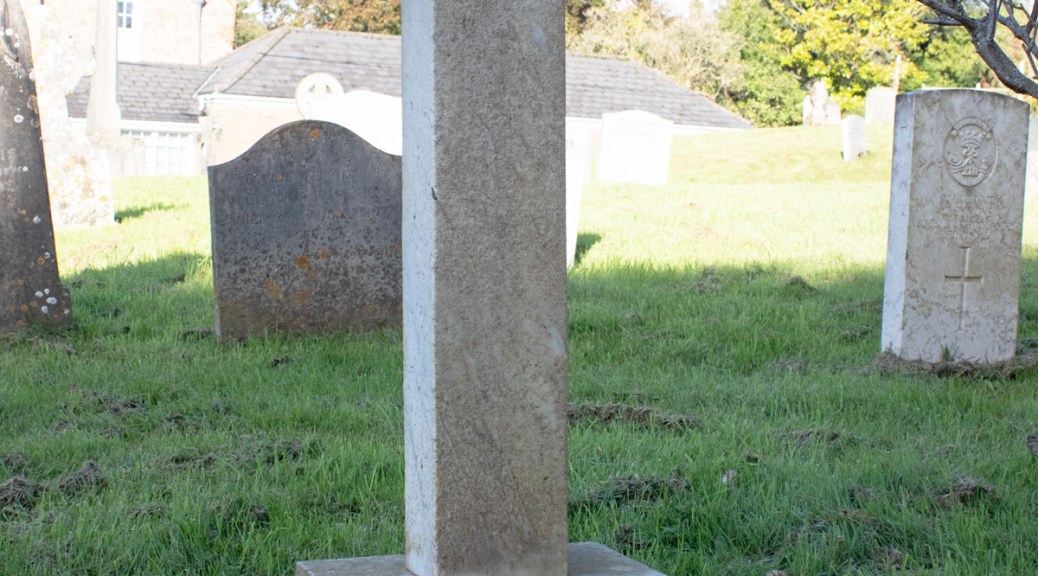
With William James Profitt’s family more than 10,000 miles (17,000km) away, it was not possible to him to be buried at home. Instead, his body was taken to the peaceful and picturesque graveyard of St Michael’s Church in Rock, Cornwall, close to where his father’s family still lived.


Private William Profitt
(from findagrave.com)

William’s grave shares a dedication with Charles Profitt, who died just a fortnight after him.

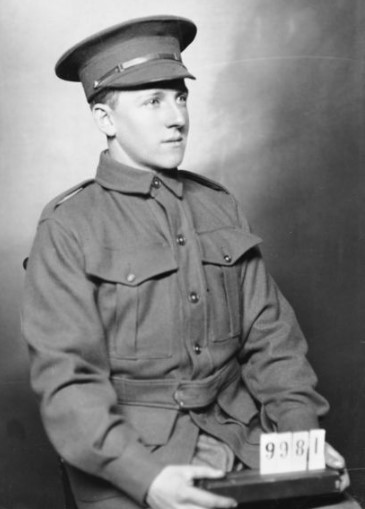
John Walter Charles Profitt – better known as Charles – was born in the summer of 1894 Geelong, Victoria, Australia. The oldest of three sons to William and Harriet Profitt, it is likely that his father was William’s uncle, and that the two siblings had both travelled to Australia to earn their fortunes.

Working as a teacher at the time, Charles enlisted just days after his cousin, joining the 6th Field Ambulance unit. His service records show that he had dark brown hair, grey eyes and a fresh complexion, no dissimilar to William. Standing 5ft 8ins (1.73m) tall and weighing 10st 6lbs (66.2kg), it is clear that his side of the family had markedly different genes.

Private Profitt arrived in France on 27th March 1916, and his dedication to the role showed when he was promoted to the rank of Lance Corporal in August.

On 9th November he was badly wounded while carrying out his duties, receiving a severe gun shot wound to his abdomen. He was admitted to the 1st Anzac Medical Station, but died of his injuries just two days later. He was just 22 years of age.

Lance Corporal Charles Profitt was laid to rest in Heilly Station Cemetery to the south of Méricourt-l’Abbé. He is commemorated with his cousin, William, in St Michael’s Church, Rock.


Lance Corporal Charles Profitt
(from findagrave.com)

Private William Whaites

Private William Whaites

William Whaites was born on 12th April 1879 in Milverton, Somerset. One of nine children, his parents were George and Anne Whaites. George was an agricultural labourer, and that is work that all of his sons went into at some point.

By the time of the 1911 census, George and Anne were living at Court Bottom in the village, with three of their adult sons – William included – living with them – and doing farm work.

When war was declared, William was called upon to play his part. He enlisted at some point after October 1915, joining the Somerset Light Infantry. Assigned to the 3rd (Reserve) Battalion, Private Whaites was sent to the unit’s base in Devonport, Devon, for training.

Army barracks were cramped places, and often breeding grounds for illness and disease. William was not to be immune to this, and, in the spring of 1916, he contracted pneumonia. He was admitted to the military hospital in Devonport, but quickly succumbed to the condition. He died on 21st April 1916, having just turned 37 years of age.

William Whaites’ body was taken back to Somerset for burial. He was laid to rest in the graveyard of St Michael’s Church in his home town, Milverton.


Private James Fone

Private James Fone

James Walter Fone was born in Crewkerne, Somerset, late in 1878. The sixth of seven children, his parents were Edward and Emma Fone. Edward was an insurance agent who had moved the family to Yeovil by the mid-1880s.

When James left school, he found work as a clothier’s assistant. Emma died in 1906, and he moved to Bristol. By the time of the 1911 census, he was employed by, and boarding with, James Johnstone.

Details of James’ life become a bit sketchy from here on. He enlisted in the army when he received his call-up in the autumn of 1916. Joining the 46th Training Reserve Battalion, Private Fone was sent to a camp near Swanage in Dorset.

Barracks at this point in the war were tightly packed, and breeding grounds for illness and infections. James was not to be immune to this, and came down with cerebrospinal meningitis. He was admitted to the camp hospital, but died there on 22nd November 1916, at the age of 37 years old.

James Walter Fone’s body was brought back to Somerset for burial. He was laid to rest in Yeovil’s sweeping cemetery.


Stoker Louis Theobold

Stoker Louis Theobold

Louis Theobald was born on 27th January 1898 in Soho, Middlesex. There is little information available about his early life, and the only document that can be directly connected to him is his military service records.

Louis enlisted in the Royal Navy on 7th September 1915. He had been working as a miner at the time, and the document gives an insight into the man he was. He stood 5ft 5ins (1.65m) tall, had brown hair, brown eyes and a fresh complexion. The service records also confirm that he had a tattoo on his right arm.

Stoker 2nd Class Theobald was sent to HMS Pembroke, the Royal Naval Dockyard in Chatham, Kent, for his training. He spent three months there, before being given his first posting, on board the minesweeper HMS Alyssum. He remained on board for three months, before transferring to the cruiser HMS Wallington in February 1916.

Louis’ health was starting to be impacted by this point: he had developed bronchitis, probably exacerbated by heat and dust of the confined engine room he worked in. By April 1916 he was transferred back to HMS Pembroke, and within two months, he was medically discharged from service.

Stoker 2nd Class Theobald had been admitted to the Royal Naval Hospital in Chatham by this point, and his health began to deteriorate. He passed away from a combination of bronchitis and empyema on 15th September 1916: he was just eighteen years of age.

Louis Theobald was laid to rest in the Roman Catholic section of the Woodlands Cemetery in Gillingham, Kent, not far from the dockyard where he had been based.