

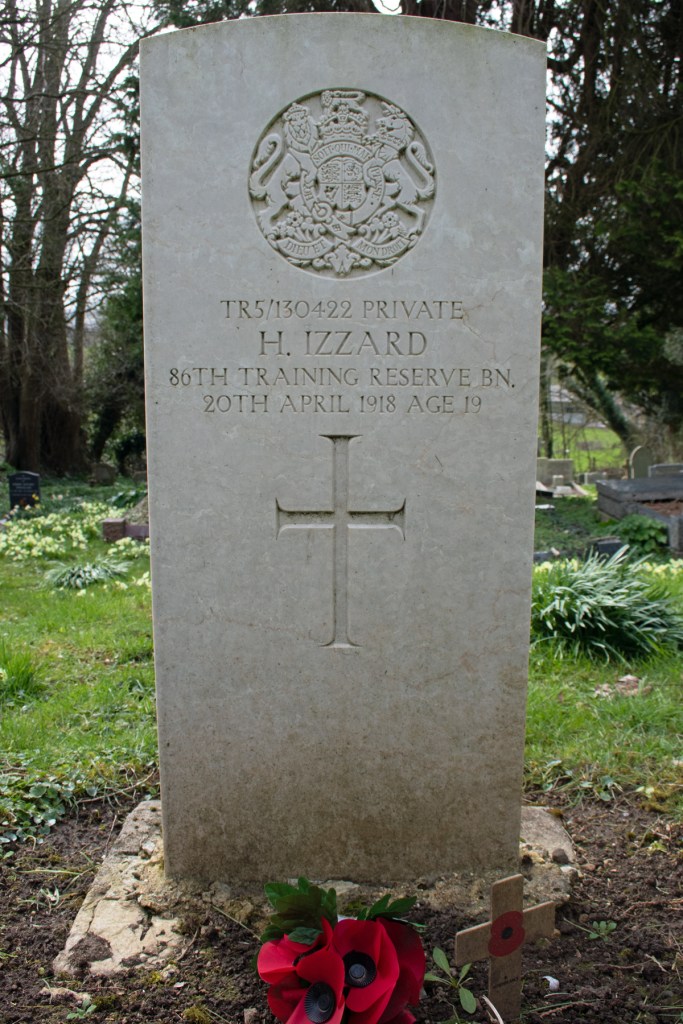
Harry Izzard was born early in 1900, in Chiswick, London and was one of six children to Albert and Florence Izzard. Albert was a groom, but when he died in 1905, Florence, left with a young family to raise, remarried. Things seem not to have gone well between Harry and his stepfather, Richard Warren, and he soon found himself resident of the Church Army Home in London.
In 1914, his schooling complete, he was sent to the village of Clandown in Somerset, where he was employed at the local colliery. He seemed to have flourished in his new life, and he “made friends with all he came in contact with, being of a bright and cheerful disposition and associated with the football club, Wesleyan Young Men’s Bible Class and an ardent temperance worker.” [Somerset Guardian and Radstock Observer: Friday 26th April 1918]
Harry was one of the village’s batch of miners passed for the Army ballot, but seemed eager not to wait to be officially called up. On the day of the ballot, he instead joined up voluntarily, enlisting in the 86th Training Reserve Battalion.
On enlistment he was sent to Clipstone Camp, Notts, where he quickly made friends. He, however, was placed on the sick list… and underwent [an] operation for appendicitis from which operation he never recovered.
Somerset Guardian and Radstock Observer: Friday 26th April 1918
Private Izzard died on 20th April 1918, aged just 19 years old, a life of new promise cut tragically short. His connection with Clandown, and his disconnection from his family in London, was such that his body was brought back to Somerset for burial.
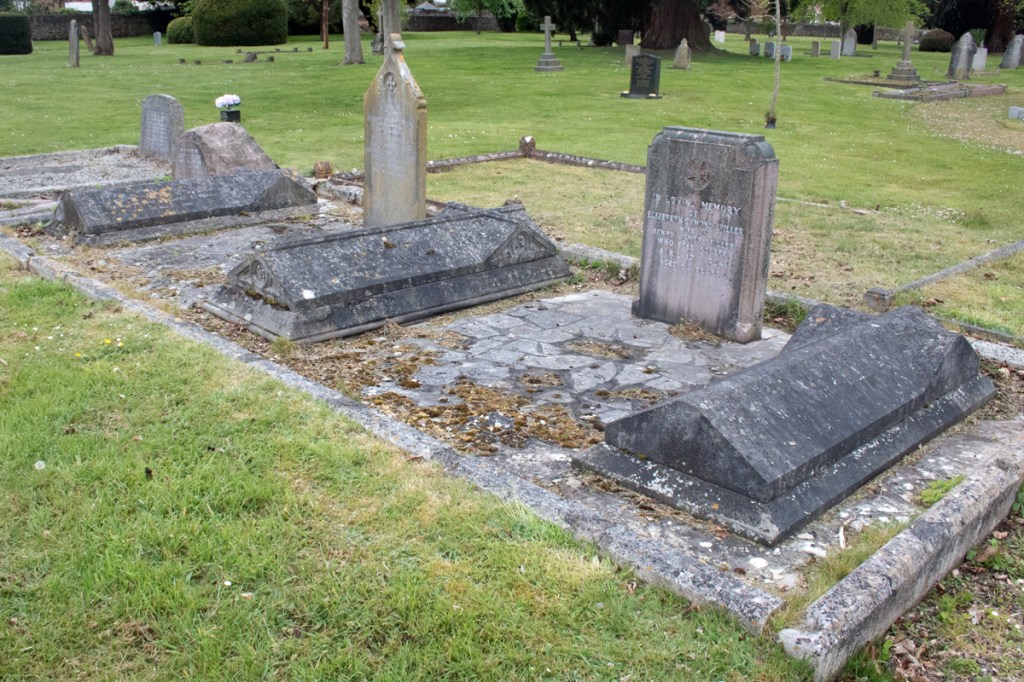
Harry Izzard was laid to rest in the quiet Holy Trinity Churchyard, his sister Mabel being the only family member represented at the service.
Harry’s older brother Herbert Izzard also served in the army. He had found work as a laundry labourer when he left school, and went on to marry Maud Woodage on 14th February 1915. The couple had a daughter, Winifred, later that year.
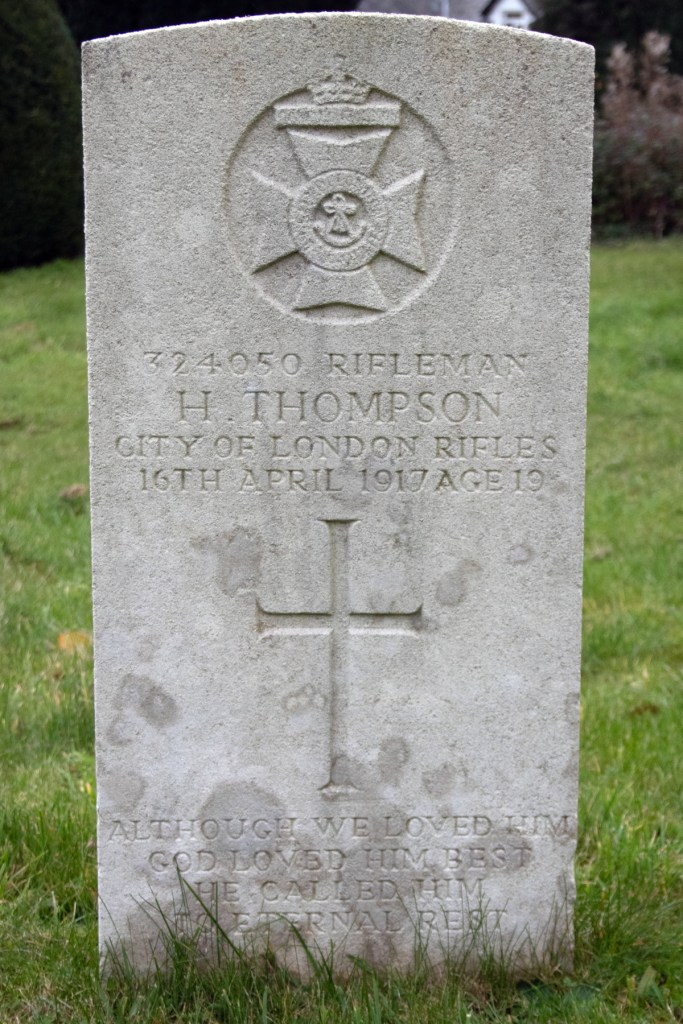
Herbert enlisted in the London Regiment as a Rifleman, and was assigned to the 17th Battalion, also known as the Poplar and Stepney Rifles. He soon found himself in France and was killed at the Somme on 19th April 1916. He is buried at the Cabaret-Rouge British Cemetery in Souchez.
Tragically, Herbert’s widow died in Oxfordshire in December 1918, leaving young Winifred an orphan at just three years old. She went on to live a long life, dying in 1997, at the age of 81.









 Death and Service