Leonard Stephen Lovelock was born early in 1887 in the Wiltshire village of Edington. The son of Ellen Lovelock, there is no confirmation of who his father was. Ellen married Stephen Drewett in 1889, and from this point on Leonard took that surname. Stephen was a sawyer, and he and Ellen set up home in Kington Langley, near Chippenham.
Leonard, however, was destined for a different upbringing. The 1891 census return found him living with Jesse and Ann Coldrake, who were recorded as his grandparents: also in the household were Betsy Drewett (Jesse’s mother-in-law) and Emily Drewett (his daughter-in-law). The relationships are a little confusing, but Leonard remained with Jesse and Ann for the1901 and 1911 census records.
When he completed his schooling, Leonard followed Jesse into farm labouring. The later census return recorded the family living in a three-roomed cottage on Tinhead, the road leading north from Edington village centre.
Farm work was only the first step for Leonard and, by the time war broke out, he was employed as an attendant at the Wiltshire County Asylum in Devizes. He enlisted on 12th January 1916, his medical records showing that he was a little under 5ft 6ins (1.67m) tall, and weighed 170lbs (77.1kg).
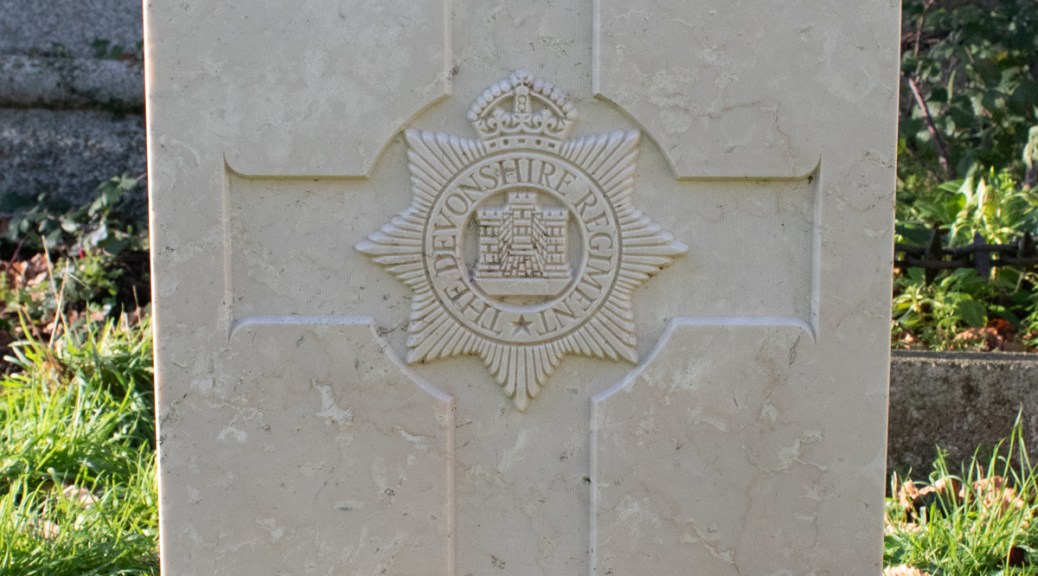
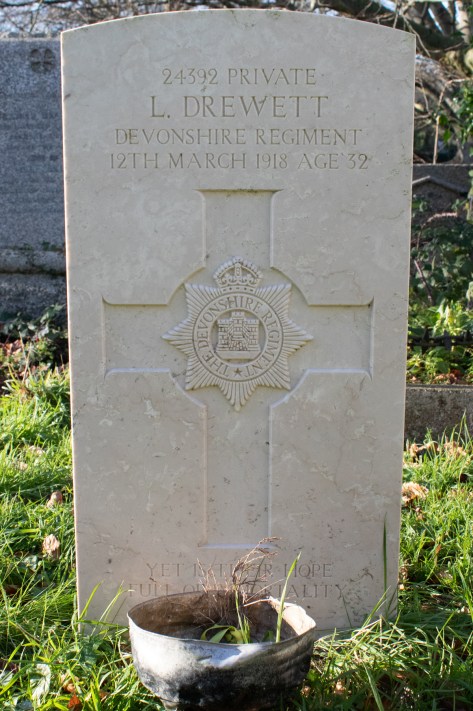
Private Drewett was initially assigned to the 12th Battalion of the Devonshire Regiment and, on 14th June 1916, his unit crossed the channel for France. While there, he was transferred to the Labour Corps, and was attached to the 152nd Labour Company. In the summer of 1917, Leonard joined the 5th Army School of Cookery, but after just six weeks he was admitted to a camp hospital suffering from epileptic seizures.
Moved from the camp hospital to the 2nd Australian General Hospital in Wimereux, by the end of the year, Private Drewett had been medically evacuated to Britain for treatment. He was sent to the General Military Hospital in Colchester, Essex, but his condition would ultimately prove fatal. Leonard died on 12th March 1918: he was 32 years of age.
The body of Leonard Stephen Lovelock Drewett was taken back to Wiltshire for burial. He was laid to rest in the graveyard of Ss Mary and Katherine and All Saints in his home village of Edington.
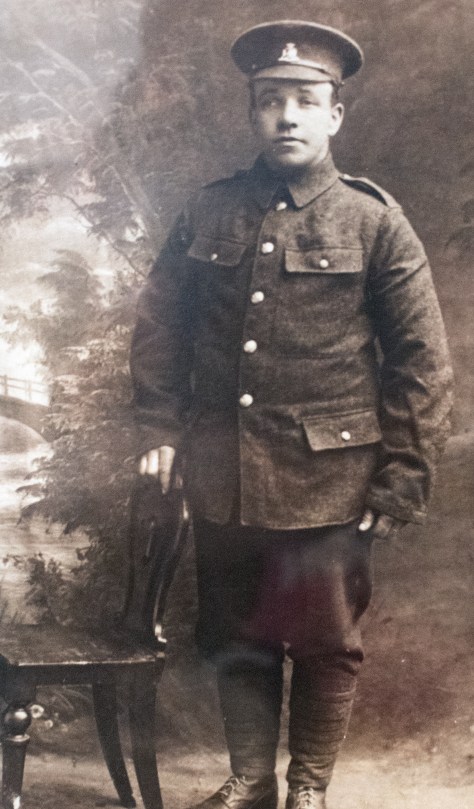
(from Edington Church memorial)