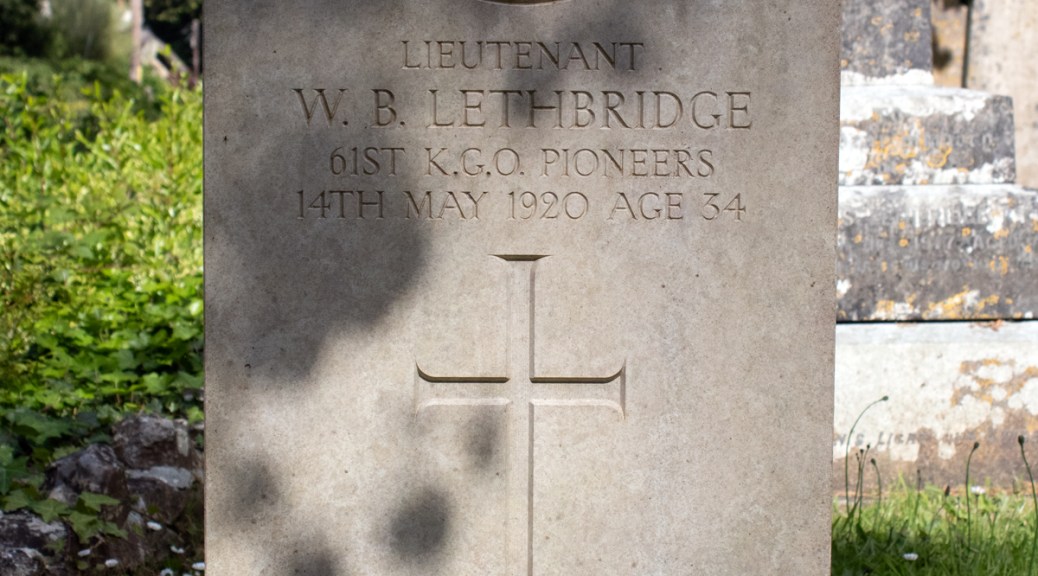
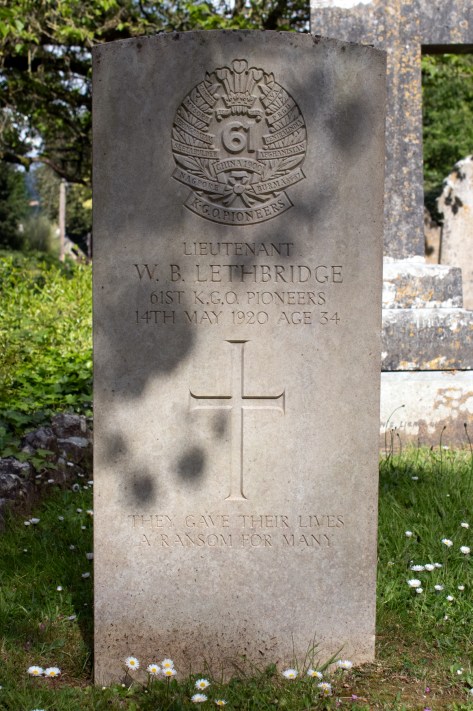
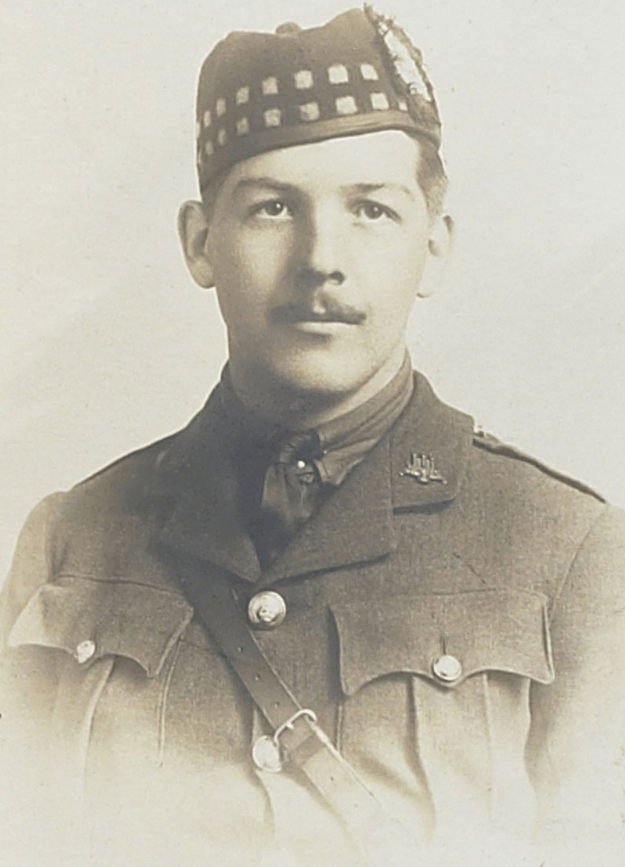
William Bernard Lethbridge was born in Cheltenham, Gloucestershire, in the summer of 1886. The seventh of eight children, his parents were Robert and Mary Lethbridge. William’s baptism record gives his father’s profession as gentleman, while the 1891 census return gives him as being an indigo merchant.
The family were living in Bedford by this point, in a large house on Shakespeare Road. The oldest of the children was 13, but the family had two live-in servants, and shared their neighbourhood with army surgeons, wine merchants and barristers.
Robert died in 1897, and at this point, the family’s trail goes frustratingly cold. Mary and three of her daughters pop up in 1911, living in Kensington, Middlesex, but of William there is no sign. It may be that he travelled abroad, either with the army, or for business, but with no documentation to support this, it remains speculation.
Lieutenant Lethbridge’s probate record confirms that, at the time of his passing, he was living in the Devon village of Musbury, but passed away in the village of Murtle, near Aberdeen, Scotland. The CWGC documentation states that he died on 14th May 1920 from a sickness contracted in German East Africa. During the war he was connected to the 61st King George’s Own Pioneers, and this unit of the Indian Expeditionary Force was based in Africa during the conflict.
The body of William Bernard Lethbridge, who was 33 years old, was taken back to Devon for burial. He was laid to rest in the tranquil setting of St Michael’s Churchyard, Musbury.
William’s younger brother, Patrick, also served in the First World War. A former medical student, he went on to become a Captain in the King’s Own Scottish Borders.
Captain Lethbridge was killed on 25th September 1915, during the Battle of Loos. Just 27 years of age, he is commemorated on at Dud Corner Cemetery.
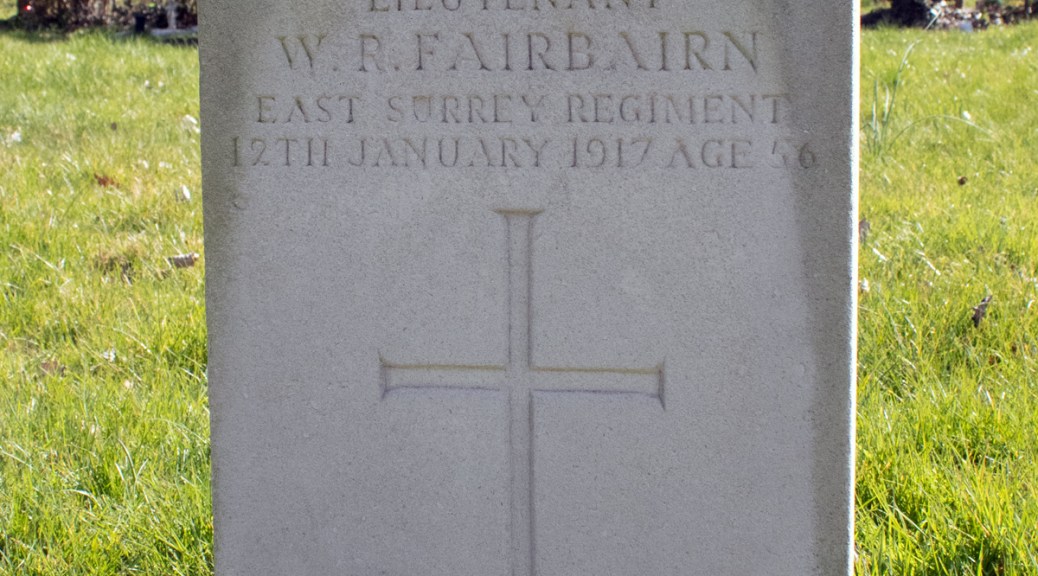
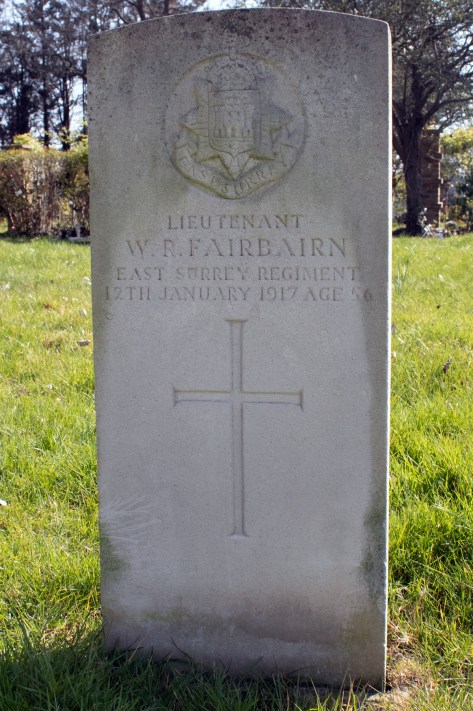
In the sprawling Streatham Park Cemetery, Surrey, is a headstone dedicated to Lieutenant WR Fairbairn of the East Surrey Regiment, who died on 12th January 1917, at the age of 56.
There is frustratingly little information available about Lieutenant Fairbairn. The Commonwealth War Graves Commission records confirm his widow as Mrs F Fairbairn, of 35 Egerton Road, Bexhill-on-Sea, Sussex, but this was a boarding house and the couple were not resident there at the time of the 1911 census.
Without a confirmed first name, or place of birth, it isn’t possible to track down baptism or parental records, and Lieutenant Fairbairn’s name does not appear in contemporary newspaper reports.
As a commissioned officer, standard military records do not exist, and with no service number available, his time with the East Surrey Regiment is a mystery.
One document gives a tiny insight into Lieutenant Fairbairn’s life: the Hospital Registers for 1914-1919 confirms that he was admitted to the Queen Alexandra Military Hospital on Millbank, Westminster, on 12th December 1916. While the document doesn’t confirm his first name, it does show that he had been in the army for some 41 years, which might explain his absence from any census records. Now attached to the 21st Training Reserve, he was suffering from chronic bronchitis and nephritis.
Lieutenant Fairbairn was discharged from hospital on 6th January 1917, and for the next six days his trail goes cold. Whether he was sent to Streatham to recuperate, or whether he was based there with his wife is unclear.
Either way, Lieutenant WR Fairbairn passed away on 12th January 1917, ad the age of 56 years old. He was buried in Streatham Park Cemetery, taking the details of much of his life with him.
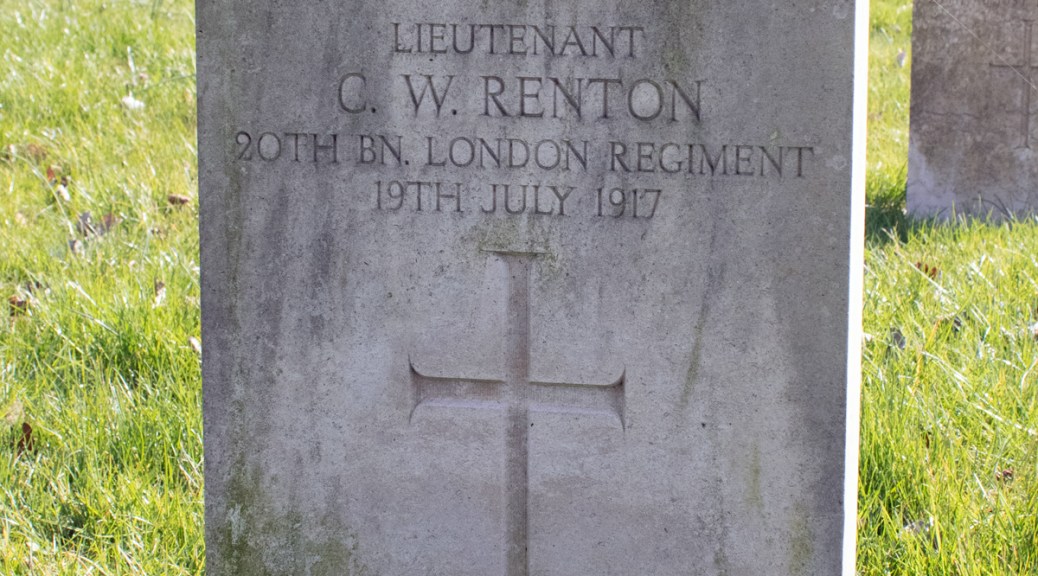
Cyril William Renton was born in Brixton, Surrey, on 27th November 1872. The older of two children, hie parents were Edward and Emily Renton. Edward was an engraver and artist and, when Emily died shortly after Cyril’s younger brother was born, he married again, to Harriett Predier: the couple went on to have two children, Cyril’s half-brother and half-sister.
By the time of the 1891 census, Edward had moved the family to Hampstead, Middlesex. Setting up home in the illustrious South Hill, their home – a Georgian semi-detached villa backing onto Hampstead Heath – served as a fine setting for the now art dealer head of the household.
When Cyril completed his schooling, he found work as a stockbroker. On 22nd December 1894, he married Mary Nettleton at St Paul’s Church in Kentish Town. Mary was the daughter of a solicitor’s clerk, and Cyril’s new father-in-law seems to have helped his career.
The 1901 census found the young couple living at 33 Tivoli Road in Hornsey, Middlesex. Their eldest child, Lionel, had been born four years before, and Mary’s father and brother were also living with them. Cyril was now recorded as being an articled clerk for a firm of solicitors.
Second son Esmonde was born in 1897, and Cyril’s career continued its upward journey. By 1911 the Rentons had moved to 46 Glasslyn Road in Crouch End, and had taken on two servants to support the family. Cyril was now a full-blown solicitor and counted an estate agent’s clerk, a cement company secretary, a master stevedore and a human hair merchant amongst his neighbours.
[He] practised as a solicitor as the Police Court. For several years he represented the National Society for the Prevention of Cruelty to Children. He was at one time the vice-president of the Highgate Thirty Club, and in 1914-15 became the president.
[Hornsey & Finsbury Park Journal: Friday 3rd August 1917]
While obviously good at his job, Cyril wanted more:
At a time when he seemed very likely to make a big name for himself in the various courts he attended, he decided to dispose of his practice and to study for the bar. In the Michaelmas law examination of 1913 he successfully passed in all the subjects and the “final,” and was thereupon duly “called.” He was getting on extremely well in the higher branch of his profession when war broke out…
[Hampstead & Highgate Express: Saturday 28th July 1917]
Cyril felt a call to serve his country, and so stepped up to enlist.
[He] joined the Inns of Court OTC, and went into training. When he obtained his commission je joined a battalion of the London Regiment, and, having been through a course at Hythe, he became a musketry instructor and was engaged in that capacity for many months. At last the authorities yielded to his repeated applications to be sent on active service, and he went to France. There he had six months’ fighting, and only returned after he had been wounded.
[Hampstead & Highgate Express: Saturday 28th July 1917]
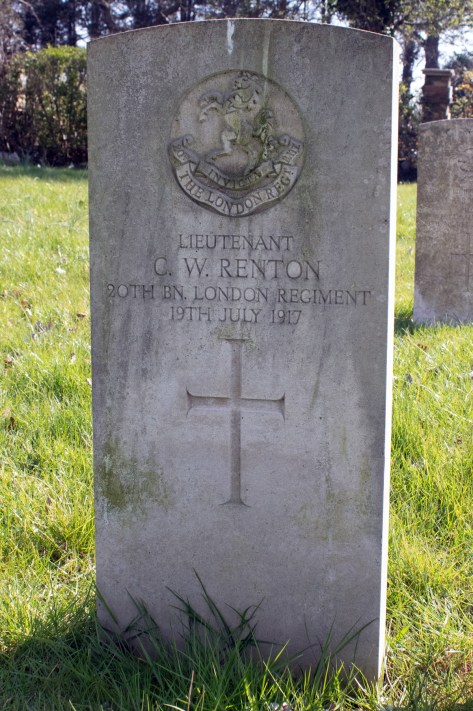
Attached to the 20th (Country of London) Battalion (Blackheath and Woolwich), Lieutenant Renton’s older son, Lionel, was also fighting, and was attached to the 16th Service Battalion – also known as the Public Schools Battalion – of the Middlesex Regiment.
It is unclear whether Cyril returned to the fray, and by the spring of 1917, having recovered from injuries, he fell ill. His health seems to have been impacted by his injuries, and he passed away from his condition on 19th July: he was 44 years of age.
The body of Cyril William Renton was taken to Streatham, Surrey, for burial: the reasons are unclear, but it is likely that this is where his mother and father (who had died in 1904) had been buried. Private Lionel Renton was recuperating from injuries, and was able to attend the funeral with Mary and Esmonde.
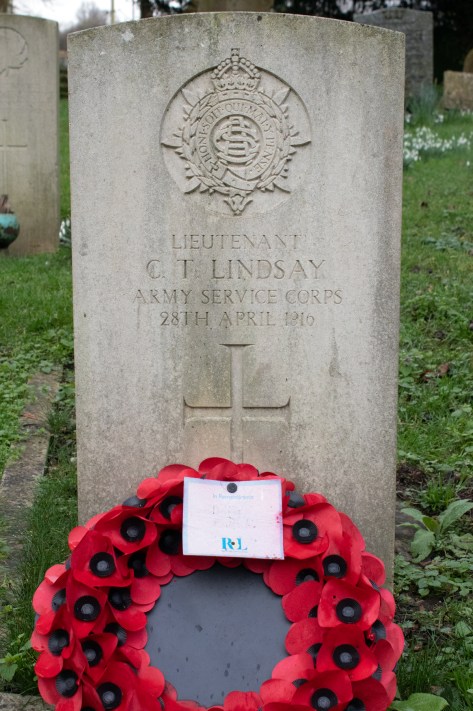
Courtenay Traice Lindsay was born in Belfast, Northern Ireland, on the 11th December 1874. The second of four children, he was the only son to Thomas and Ruth Lindsay. Thomas was an art teacher and examiner and, by the time of the 1881 census, he had moved the family to Rugby, Warwickshire, setting them up in the Temple Art Museum on Barby Road.
Education was important to Thomas, and it was obvious that his son’s passion was art. “He entered [Rugby] School in 1888 and left in 1892. He was afterwards Drawing Master at Seafield Park Engineering College, Hampshire, Trad Designer for textiles and pottery, and Examiner under the Board of Education in Geometrical Drawing.” [Memorials of Rugbeians Who Fell In The Great War, Volume VII]
On 10th January 1903, Courtenay married Charlotte Wetenhall. The daughter of a man of means, she was born in Stanwick, Northamptonshire, and the couple exchanged vows in her local parish church.
Courtenay’s mother died in 1905 and by the time of the 1911 census, he and Charlotte were living at 143 Beaufort Street, Chelsea, Middlesex. A five-storey Georgian building, they had let our rooms to aspiring artist Marion Forbes. Courtenay was an artist and designer himself, and he and Charlotte had an eight-month-old son, Courtenay Jr.
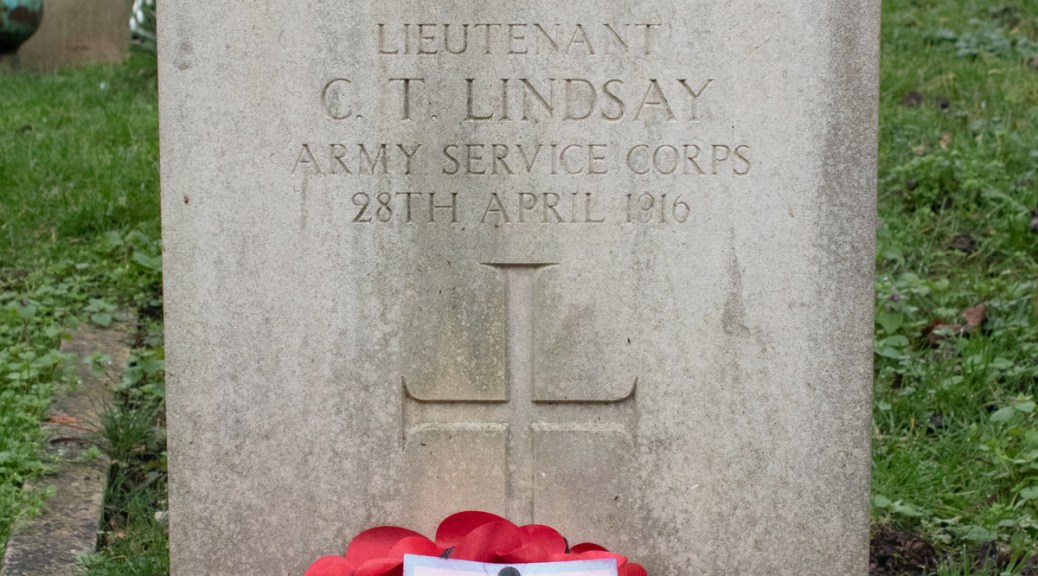
When war broker out, Courtenay stepped up to play his part. He gained a commission in the Army Service Corps, but did not see any service overseas. “He… was engaged on Road Transport, in the Northern Command. Hard work in the Transport Service undermined his constitution, and he died of heart failure, following on septic poisoning, on April 28th, 1916. Age 41.” [Memorials of Rugbeians Who Fell In The Great War, Volume VII]
Courtenay Traice Lindsay died at Burnham Abbey, near Maidenhead, Buckinghamshire. Interestingly, while Charlotte and their son were living four miles north in Burnham Beeches, he was laid to rest in Dorney Burial Ground, a short walk to the south of the hospital.
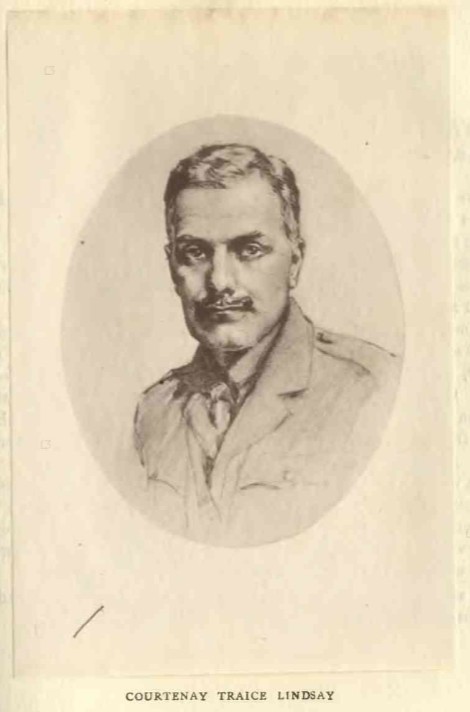
Lieutenant Courtenay Lindsay (from Memorials of Rugbeians Who Fell In The Great War, Volume VII)
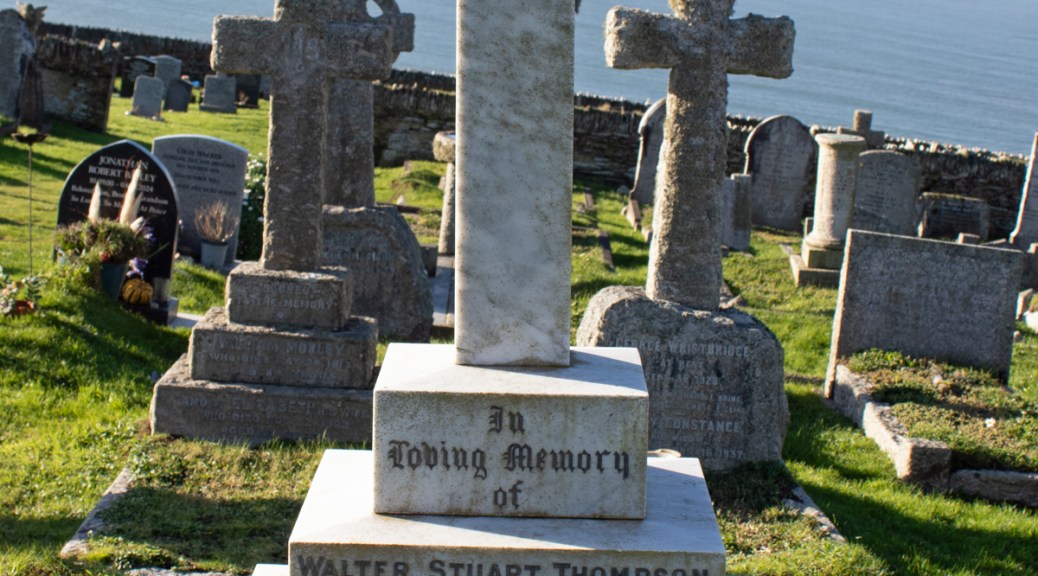
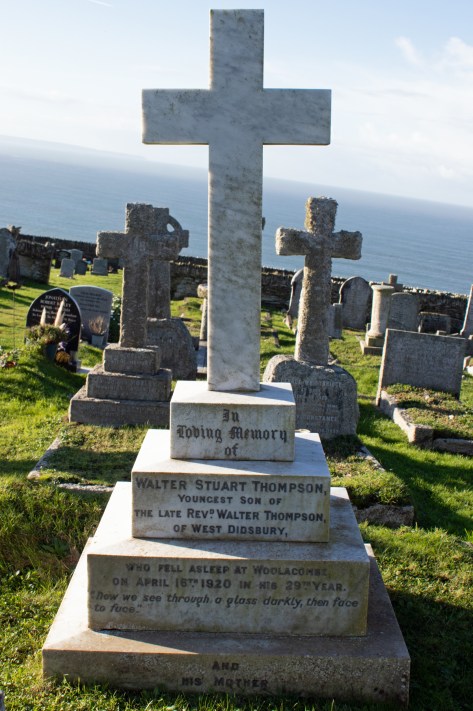
In the picturesque cemetery of St Mary’s Church, Mortehoe, Devon, is a headstone commemorating Walter Stuart Thompson. The stone notes that he died on the 16th April 1920, and that he was in his 29th year. He is recorded as being the youngest son of the late Reverend Walter Thompson from West Didsbury, Lancashire. His mother is also noted as being buried with him.
A baptism record for Christ Church, Didsbury, confirms that Walter was christened on 22nd November 1891, and gives his parents’ names as Walter and Mary Elizabeth Thompson. The family do not appear in any census records but, given that the Commonwealth War Graves Commission records note that Walter was a Lieutenant in the 2nd King Edward’s Own Gurkha Rifles, it is possible that they emigrated in the years following his birth.
During the First World War, Lieutenant Thompson’s regiment fought on the Western Front, in Egypt and in India. As his service records no longer exist, it is unclear when or how Walter served, but it is clear that he survived the conflict, and returned to Britain at the end of the war.
What the connection was to Devon is again unclear, although it seems possible that Walter was sent there for health reasons. His passing does not appear in any contemporary newspapers, so is unlikely to have been anything out of the ordinary.
The life of Walter Stuart Thompson, therefore, is destined to remain a mystery, buried with him in the tranquil cemetery on the north Devon coast.
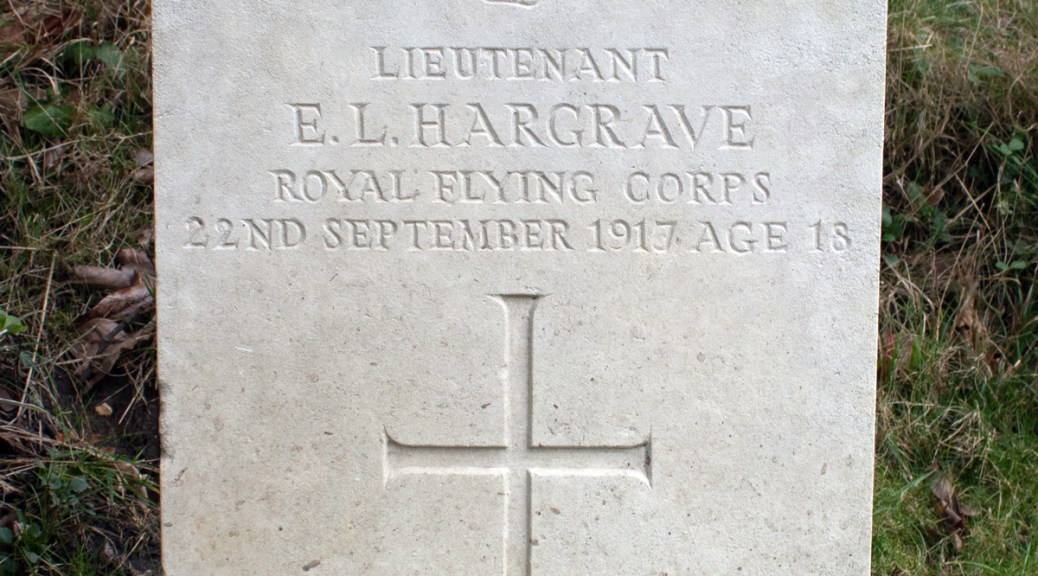
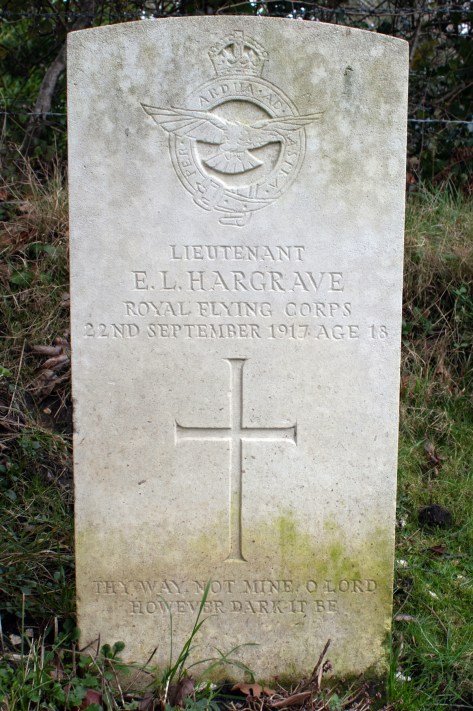
Ernest Lawton Hargrave was born in the spring of 1899 in Clapham, Surrey. One of three children, his parents were Ernest and Ada Hargrave. Ernest Sr was a letterpress machine mender from Leeds, Yorkshire, but when he died in 1910, Ada was left to raise her children alone.
The 1911 census found Ada working as a boarding house keeper. The property she ran – a seven-roomed property at 65 Elspeth Road, Battersea, Surrey – was home to her and her two surviving children. Alongside them lived five boarders – Walter Bland (of no employment), William Gray (a clerk at the Scottish Office), Norman Pierce (an engineer’s draughtsman), William Henderson (a temporarily unemployed government clerk) and Maria Baugh (living on her own means). Edgar Gray – possibly William Gray’s father – was also visiting at the time the census was taken.
When war broke out, Ernest was 15 years of age. Too young to enlist straight away, his Medal Roll Index Card notes that he took a commission as a Second Lieutenant. Initially added to the General List, he was soon assigned to the Royal Flying Corps and sent to 79 Squadron in Hampshire.
Training to be a pilot, Second Lieutenant Hargrave practiced in an Avro 504J biplane. By 22nd September 1917, he had completed six solo flights, totalling 16 hours. That day he was under instruction, when the accident that was to take his life occurred. A later report reached the verdict that an error of judgement on Ernest’s part caused the aircraft to crash:
[He was] climbing too steeply with an insufficient bank, thus stalling the wash. As the wash was only 175ft from the ground he failed to recover and struck the ground practically nose-on. Passenger met his death through being jammed between the engine and petrol tank.
Ernest Lawton Hargrave was just 18 years of age when he was killed. His body was laid to rest in the peaceful graveyard of St Paul’s Church, East Boldre, not far from the airfield he had so briefly called home.
While the Commonwealth War Graves Commission records give Ernest’s rank as Lieutenant, other documents suggest he held the rank of Second Lieutenant when he died.
John Lawson Kinnear was born on 9th February 1890 in the Yorkshire village of Copgrove. The youngest of six children, his parents were Henry and Frances Kinnear. Henry was the vicar of St Bartholomew’s Church, and, at the time of the 1891 census, the family lived in the rectory with four servants: a governess, a cook, a housemaid and a nurse.
When he completed his schooling, John was drawn to a career in the military. His full service papers have been lost, but it is clear that he joined the King’s (Liverpool Regiment) with a commission. He held the rank of Second Lieutenant when he joined the battalion in October 1910, rose to Lieutenant in March 1913, and transferred to the Royal Flying Corps not long after the First World War broke out. By June 1915, he had been made a Captain.
By the time of the Royal Air Force’s foundation in April 1918, John had risen to the rank of Major. He had also been awarded both the Military Cross and the Distinguished Service Order. Attached to the 1st Training Squadron, he was based at East Boldre, Hampshire.
On 28th April 1918, Major Kinnear was piloting his Sopwith Camel, when it stalled at a height of 200ft and fell to the ground. John was killed instantly. The RAF Casualty Card noted: “The court having carefully considered the evidence, viewed the scene of the accident and examined the wreckage are of the opinion that the smash was caused by an error of judgement on the part of the pilot.”
John Lawson Kinnear was 28 years of age when he died. His body was laid to rest in the graveyard of St Paul’s Church, East Boldre, not far from the airfield which he had called home.
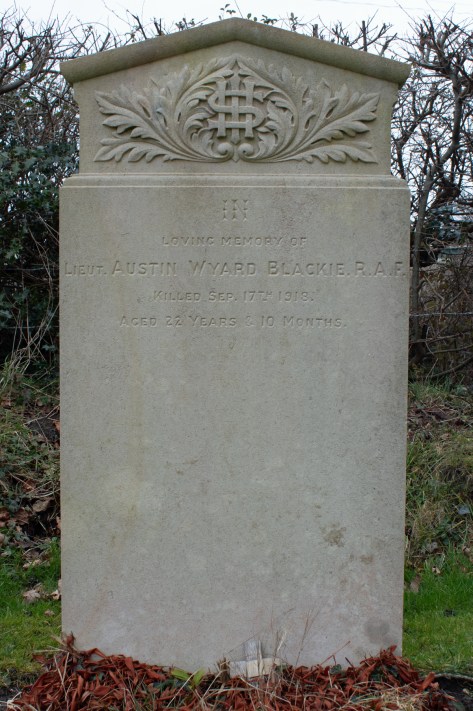
Austin Wyard Blackie was born in Spring Bay on Ontario’s Manitoulin Island on 17th November 1895. The seventh of eight children, his parents were farmers John and Mary Blackie. John took the family to where the work was: by the time of the 1901 census they had relocated to Algoma, 190km (120 miles) to the north west.
Little further information is available about Austin’s early life. When war broke out, he stepped up to play his part. His military records take a bit of unpicking, but he joined the Canadian Expeditionary Force on 10th April 1916, and was assigned to the 227th Battalion as a Sergeant. He was dismissed from service on 15th December 1916, as he was deemed medically unfit.
Undeterred, Austin’s service papers confirm that he re-enlisted on 7th March 1917, and that he was a student at the University of Toronto Officers’ Training Corps at the time. This document also gives his year of birth incorrectly as 1894.
Austin’s medical in 1917 confirmed that, at 22 years of age (based on the incorrect year of birth), he was 5ft 7.5ins (1.71m) tall and weighed 143lbs (64.9kg). He had fair hair, grey eyes and a fair complexion, good hearing and 20/20 vision. He was also recorded as having a number of scars: two either side of his stomach from an operation, and a third on the right side of his left ankle.
Sergeant Blackie’s time in the army was not destined to be a lengthy one, and there is a sense of his determination to better himself. On 5th May 1917, he was discharged from service again, but this time because he mad the transfer to Canadian Royal Flying Corps.
At this point, Austin’s trail goes frustratingly cold. He was shipped out to Britain, and was based at the 29th Training Depot Station in East Boldre, Hampshire. When the Royal Air Force was formed, he transferred across, and, at some point during this time, he was promoted to the rank of Lieutenant.
Mr A C Hallett, Deputy County Coroner, held inquests on Tuesday, of Lieut. Austin Wyard Blackie, RAF, of California, and Second-Lieut. Arthur Fred Belyea, RAF, of Calgary, Canada, who met thwir deaths while flying. The evidence showed that their machines collided at a great height, and that death in each case must have been instantaneous. Verdicts of “Accidental death” were returned.
[Hampshire Advertiser: Saturday 21st September 1918]
The report’s suggestion that Austin was from California is incorrect, although his parents had, by this point, moved there from Canada.
The RAF’s own report gave a little more detail on what happened:
The court considered the evidence, found that the cause of the accident was entirely due to misadventure in that the [Lieutenant Blackie’s] foot became entangled behind the rudder bar, the machine thus being our of control.
It appears that Austin had been offered a different aircraft to the Sopwith Camel in which he he had been killed. “He apparently took his machine up without asking his Flight Commander’s permission or his Instructor’s, contrary to standing orders.”
Second Lieutenant Belyea’s report card adds a stark twist to the crash: “The cause of the accident was in our opinion an error of judgement on one pilot (unknown) in flying his machine into the other machine from the rear, causing the left hand frame of Camel C8322 and the right hand frames of Camel C96 to collapse, thus causing each machine to spin to the ground. The one pilot was probably attempting to obtain good photographs of the other machine.”
Austin Wyard Blackie was just 22 years of age when he died on 17th September 1918. He was laid to rest alongside Second Lieutenant Belyea in the graveyard of St Paul’s Church, East Boldre, not far from the base in which he had served.
You can read about Second Lieutenant Belyea’s life here.
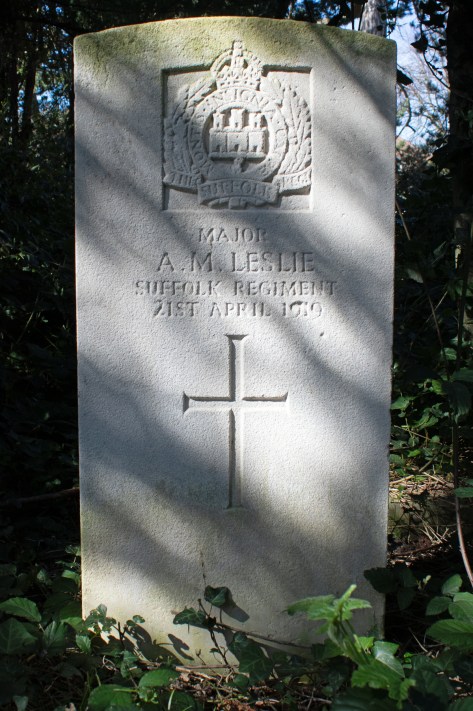
Alexander Augustus Maurice Leslie was born in France in 1852. One of five children, his parents were Government Secretary of State Francis Leslie and his French wife, Josephine.
Alexander’s mother died when he was 8 years old, by which point the family had moved back to Britain. Francis had set up home in Ealing, Middlesex, and they were living at 15 Castlebar Road, a Victorian villa.
When he completed his schooling, Alexander sought out a military life. The 1881 census recorded him as a Lieutenant in the Suffolk Regiment, living in St Helier, Jersey. He had married the year before, to Louisa Cumming, a surgeon’s daughter from Devon. They had a son, Maurice, by this point, and a daughter, Ida, was born the following year.
Lieutenant Leslie’s service records are sparse, but a later newspaper report fills in some of the gaps: “Leslie’s military experience, which extended… over a period of about 25 years, included participation in the Egyptian campaign in 1884, and service on the West Coast of Africa, in Jamaica, and in India.” [Worthing Gazette: Wednesday 30th April 1919]
During her husband’s time overseas, Louisa raised the children back home in Devon. She passed away in 1901, but which point, Alexander had retired with the rank of Captain. That year’s census found him living with Maurice and Ida at 14 Spencer Hill in Wimbledon, Surrey, a large detached villa. Maurice, now 20 years of age, was working as an accountant’s clerk, and the family had a live-in servant called Rose.
The next census record, from 1911, recorded Alexander living in rooms at 46 Leinster Gardens, Paddington. A substantial Georgian property, his landlady was Eveline Giradet, whose other residents included a barrister and a banker. Alexander’s occupation was now noted as Retired Major in the British Army.
From this point, Alexander’s trail grows cold. It is likely that he was called upon to play a part in the global conflict that broke out in 1914, though exactly when and how he did so is unclear. Records suggest he was admitted to Queen Alexandra’s Military Hospital on Millbank, Middlesex on 28th September 1916, suffering from syphilis. He only remained there for a couple of days, and his increasing age and health may have led to his retirement from duty.
For the past four years Major Alexander Maurice Leslie, who was for a period of a quarter of a century connected with the Royal Sussex Regiment, had been a resident of Worthing, and a brief intimation was given in the last issue… that he had died suddenly.
The circumstances were duly investigated by… the Deputy Coroner for West Sussex, on Wednesday afternoon, the inquiry taking place at the Central Fire Station, in High-street.
Evidence of identification was given by Colonel Francis Seymour Leslie… late of the Royal Engineers, who stated that the deceased, who was his brother, had lived at Worthing for the past four years, more or less all the time, though he had no permanent address…
Mrs Ethel William, a widow, at whose house… Major Leslie had lodged, stated that he had complained of indigestion and ate light food. On Monday evening he had his supper at half-past seven o’clock, going upstairs about half an hour later. About nine o’clock witness went to his room and found him lying in bed in great agony, and he exclaimed: “Oh, my poor heart!” Witness gave him some hot water to drink and sent for a doctor.
Dr Bernard Lees stated that he was sent for, but he found Major Leslie was dead when he got to the house. He had since made a post-mortem examination, which showed that the stomach and intestines were much distended, and there were signs of chronic gastric catarrh. The heart was fatty, but the valves were healthy. Death was due to syncope, the result of acute indigestion and the fatty condition of the heart.
A verdict of “Death from natural causes” was recorded.
[Worthing Gazette: Wednesday 30th April 1919]
[It should be noted that Alexander had been attached to the Suffolk Regiment throughout his military career. The error in the newspaper report is likely because of the Sussex town he had moved to in the mid-1910s.]
Alexander Augustus Maurice Leslie was 67 years of age when he passed away on 21st April 1919. His body was laid to rest in Broadwater Cemetery, to the north of the town he had called his home for more than four years.
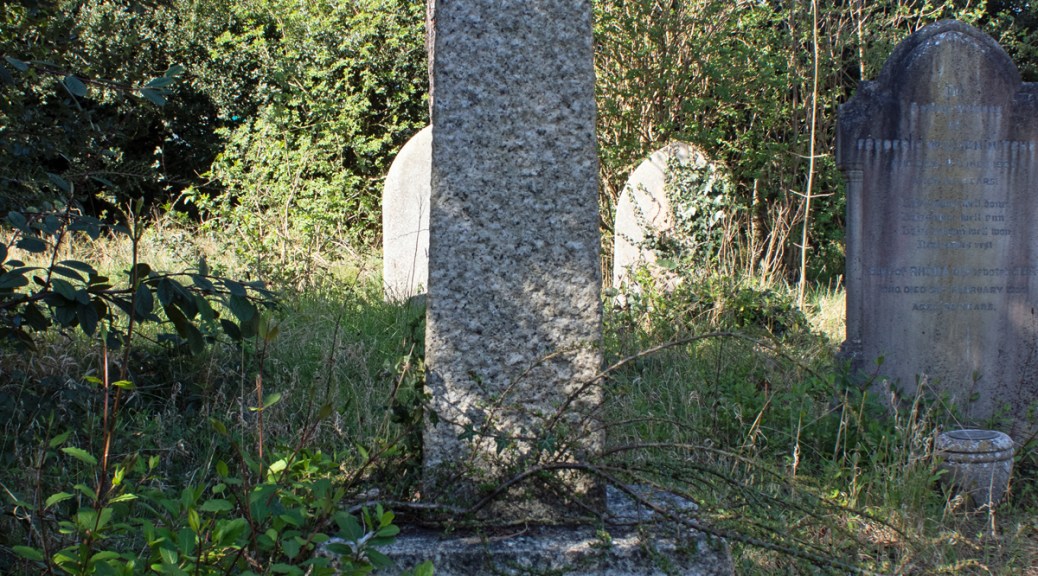
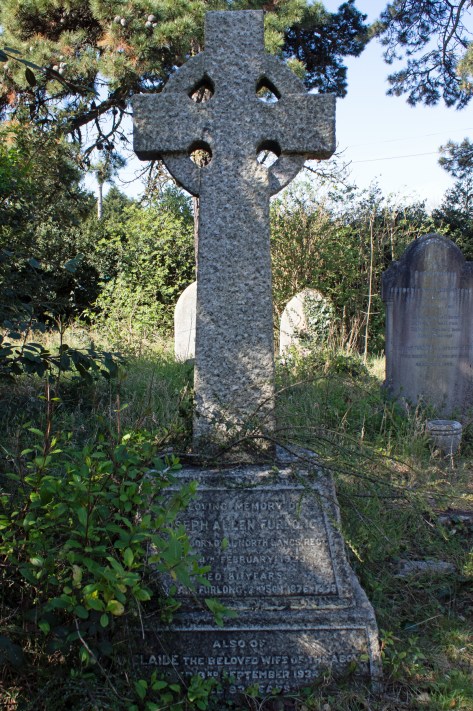
Allan Hyde Furlong was born the autumn of 1874, and was the oldest of seven children to Joseph and Adelaide Furlong. The place of his birth varies depending on which document you’re looking at, with census records suggesting he was born in Pembrokeshire, Wales, or Aldershot, Hampshire. His birth was registered in Eastry, Kent, however, so it is possible that this is where the family were based at the time.
Joseph was an officer in the North Lancashire Regiment, and his work meant the family moved time and time again. Allan’s younger siblings were born in Hampshire, Pembrokeshire and Athlone, Ireland. By the early 1880s, they had settled in Lancashire, the 1891 census recording them as living in the Fulwood Barracks in Preston.
Given his father’s military background, it is not surprising that Allan was drawn to follow suit. He took a different route, however, and enlisted in the Royal Naval Reserve. Midshipman Furlong took a commission on 27th August 1892, and would make a career out of the navy.
By the time war broke out, Allan was serving on board the SS Burma. In May 1915 he was promoted to Sub Lieutenant, and a further rise in rank – to full Lieutenant – followed in January 1918. He survived the war, and remained at sea through to the start of the new decade.
In March 1920, Lieutenant Furlong was admitted to the Royal Marine Infirmary in Deal, Kent, suffering from a combination of influenza and pneumonia. The conditions would get the better of Allan, and he passed away from them on 14th March 1920: he was 45 years of age.
Joseph and Adelaide were living in Worthing, West Sussex, by this point. Keen to bring their son home, the body of Allan Hyde Furlong was laid to rest in the town’s Broadwater Cemetery.