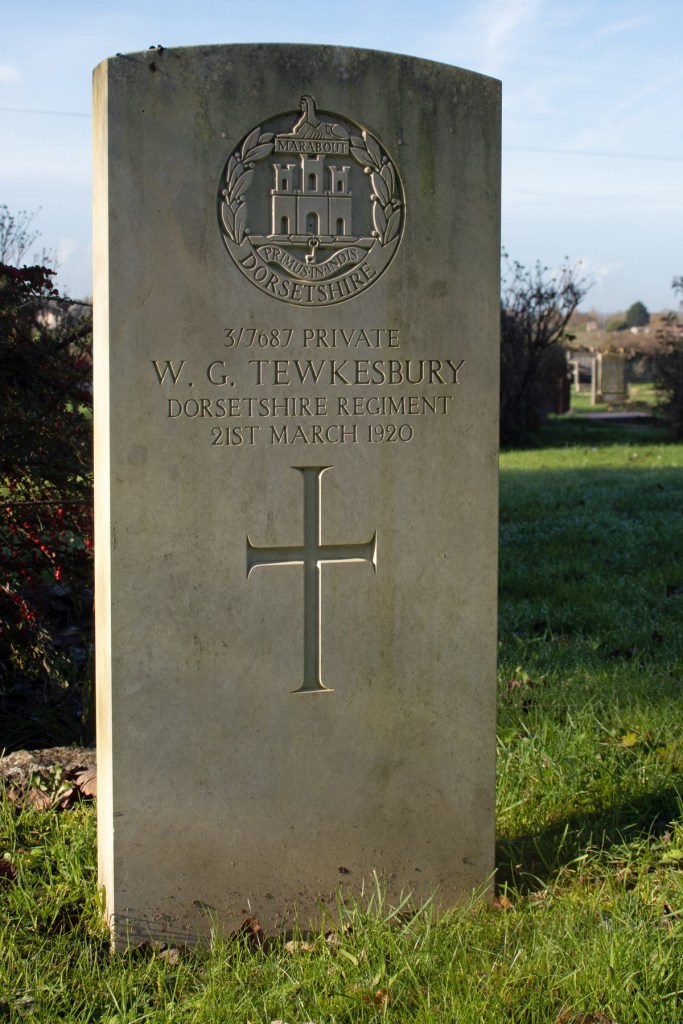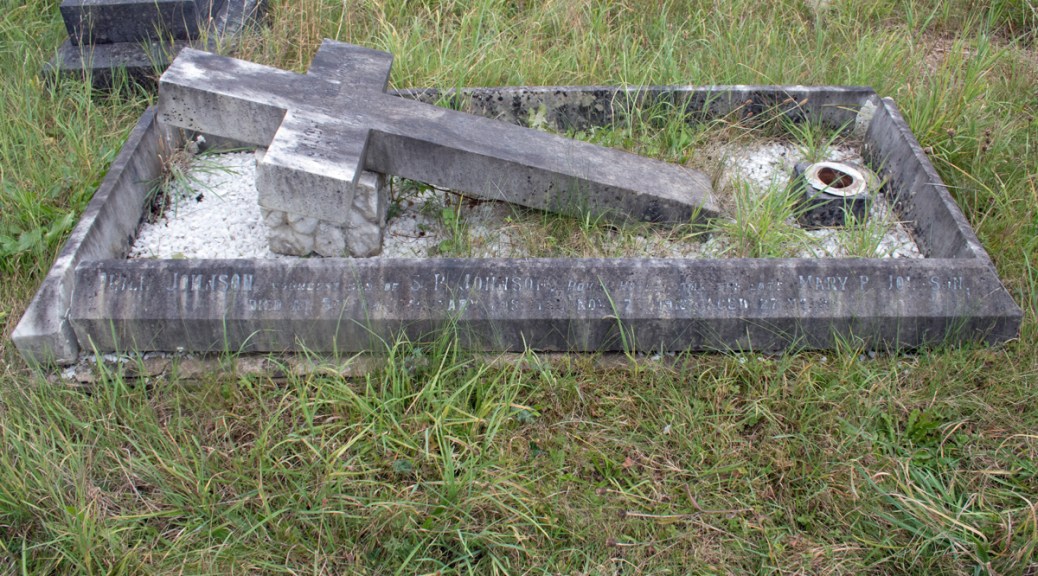
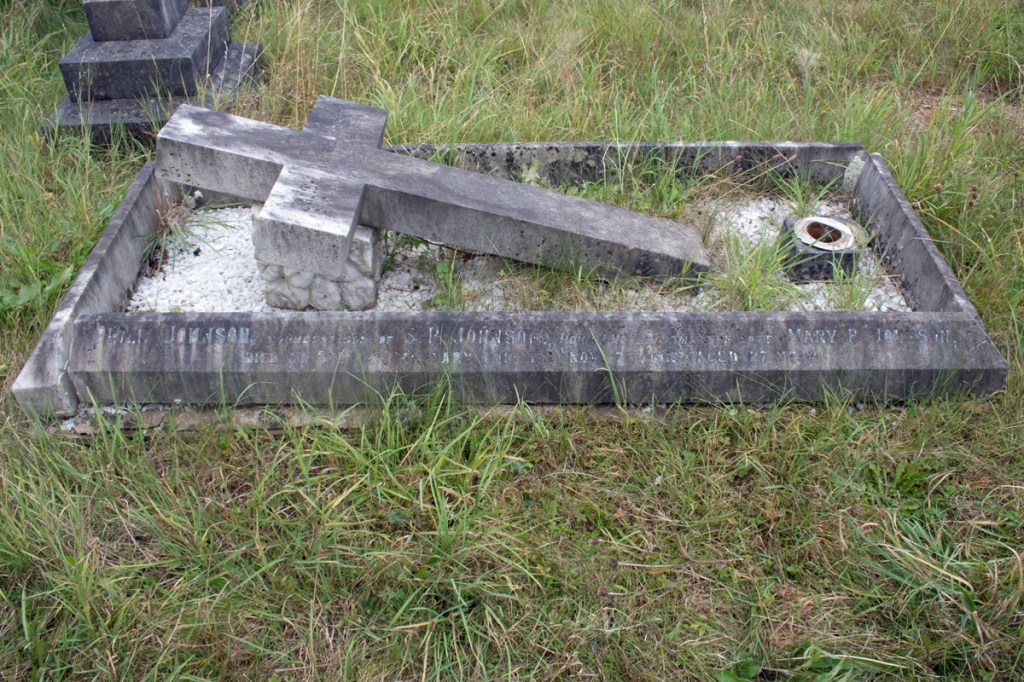
Tag Archives: Private

Private Leonard Luscombe

Private Leonard Luscombe

Leonard Luscombe was born in the spring of 1894 in the Devon village of Ipplepen. He was the fourth of five children to William and Bertha Luscombe, bakers and grocers in the village.

When he left school, Leonard found work as a clerk in a bank, but it is clear he was after bigger and better things. On 27th August 1912 he enlisted in the Royal 1st Devon Yeomanry as a Private. His service records show that he was 5ft 5ins (1.65m) tall, had good vision and was of good physical development.

Private Luscombe was sent to Salisbury Plain in Wiltshire for his training, but then returned to Devon at a base near Bovey Tracey, where he remained when war broke out in 1914. That autumn, he contracted tuberculosis, and it was to prove severe enough for him to be medically discharged from the army in February 1915.

Leonard returned to his life in Ipplepen, but his lung complaint was to dog him for the next few years. He finally succumbed to the condition on 26th October 1918, at the age of just 24 years old.

Leonard Luscombe, whose “cheerful hopefulness and intelligence gained him much popular sympathy” [Western Times: Saturday 2nd November 1918], was laid to rest in the family grave in St Andrew’s Churchyard in his home village.


Private Clarence Emmett

Private Clarence Emmett

Clarence Southwood Emmett was born in September 1899 in the Devon village of Ipplepen. The middle of five children, his parents were village butcher Thomas Emmett and his wife, Annie.

There is little information about Clarence’s early life, but when war broke out in 1914, he is evident that he wanted to play his part. He enlisted in the army as soon as he turned 18, and joined the 4th Battalion of the Wiltshire Regiment.

Sadly, full details of his time in the army, although a local contemporary newspaper sheds a little more light onto his health:

He soon contracted measles, and took a chill before he recovered. Since then he has been dangerously ill at different times, and has undergone various operations. He was recently removed to a hospital at Devonport where, until a few weeks ago, it was hoped he might recover.

Western Times: Friday 14th February 1919

Private Clarence Southwood Emmett died in the hospital on 8th February 1919. He was just 19 years of age. His body was brought back to Ipplepen, and he was laid to rest in the graveyard of St Andrew’s Church there.


Private Clarence Emmett

Private Ernest Bowden

Private Ernest Bowden

Ernest Frederick Bowden was born on 2nd November 1896 in Ipplepen, Devon. He was one of eleven children – and one of twins – to Frederick and Dora Bowden. Tragically, Dora died when Ernest was just over a year old, leaving Frederick and his older sisters to raise the family as best they could.

When he left school, Ernest found work as a page for a surgeon living in Paignton, before finding other employment as a chauffeur in Bovey Tracey. In his spare time, he was an avid bellringer at his local church.

War was coming to Europe, however, and in November 1915, he enlisted in the Gloucestershire Regiment. His service records noted that he was 19 years of age, and stood just 5ft 1.5ins (1.56m) tall. Assigned to the 14th Battalion, Private Bowden soon found himself on the front line. Arriving in France in July 1916, he spent four months there, during which he contracted tuberculosis and trench foot.

Medically evacuated to Britain for treatment, his conditions proved too severe for him to continue in the army. He was discharged from active service in December 1916.

For some months he had been at the Ivybank Dispensary, Exeter. Complications set in, and he rapidly sank just before reaching his 21st year.

Western Times: Friday 28th September 1917

Ernest Frederick Bowden had passed away on 16th September 1917, aged just 20 years old. He was laid to rest in the family grave at St Andrew’s Church, Ipplepen.


Private Alfred Bishop

Private Alfred Bishop

Alfred John Bishop was born on 25th April 1896 in the Devon village of Kingswear. The older of two children, his parents were John and Susanna Bishop. John was a farm worker, and his expertise with horses was not lost on Alfred, who became a delivery driver for a baker in Marldon, to the north of Paignton, when he left school.

On 3rd September 1917, Alfred married road contractor’s daughter Bessie Webber. Originally from Staverton, her family had settled in Ipplepen, and this is where the newlyweds made their home.

War had come to Europe by this point, and Alfred had enlisted in the Royal Army Service Corps (RASC). His background with horses came in useful, as he was assigned to the Yeomanry Remount Depot. Details of Private Bishop’s military service are lost to time, so it is unclear if he was attached to one of the RASC depots in the UK, or if he served abroad.

Alfred survived the war and, by 1919, was back home. He and Bessie had a son, Leslie, who was born on 23rd October 2020. Time with his son was to be tragically brief, however, as Alfred passed away on 14th April 1921. The cause of his death is not known, but he was just 25 years of age.

Alfred John Bishop was laid to rest in the graveyard of St Andrew’s Church in Ipplepen.


Bessie went on to marry again, to James Joint in the autumn of 1932. She passed away in Newton Abbot in 1980, at the age of 85.


Alfred’s brother James’ life was also cut short. He married Ethel Warren in 1925, and is recorded has having passed away in London in the autumn of 1935, when he was only 35 years old. Ethel was left with two young children to raise, and John and Susanna were to outlive both of their sons.


Private William Jackson

Private William Jackson

Little concrete documentation remains about the life of William Henry Jackson. He was born in Bedford, Bedfordshire, on 6th February 1872, although it is not possible to identify who his parents were.

He married a woman called Edith in 1903, and the couple settled in her home town of Beeston, Nottinghamshire. By the time of the 1911 census, he was recorded working as an electrician’s labourer at the local telephone works, while Edith, who was five years his senior, earned extra money as a blouse finisher.

Information about William’s wartime efforts are also limited. He enlisted in the Royal Marine Light Infantry, and was assigned to the Chatham Division. He was given the rank of Private and based at the Royal Naval Dockyard in the Kent town.

The only other information available for Private Jackson is that he died on 16th September 1916, having contracted a combination of pneumonia and tuberculosis. He was 44 years of age.

William Henry Jackson was laid to rest in Woodlands Cemetery, Gillingham, not far from the dockyard in which he had served. His headstone gives the initial H, rather than W, although no documents suggest he went by any name other than William.


Private Owen Owen

Private Owen Owen

Owen Jonah Owen was born in 1880, the oldest of eleven children to Jonah and Elizabeth Owen. Jonah was a quarryman at one of the slate mines around Llanberis, Gwynedd, and this is where the family were raised.

Owen followed his father into the slate quarries and, on 26th September 1903, he married Ann Jones, the daughter of another quarry worker. The couple went on to have four children: Richard, Jonah, Delia and Gwyneth.

He was well known and respected in the village, had a passion for singing and “had conducted singing festivals held by the Congregationalists of the district.” [Caernarvon & Denbigh Herald: Friday 24th November 1916]

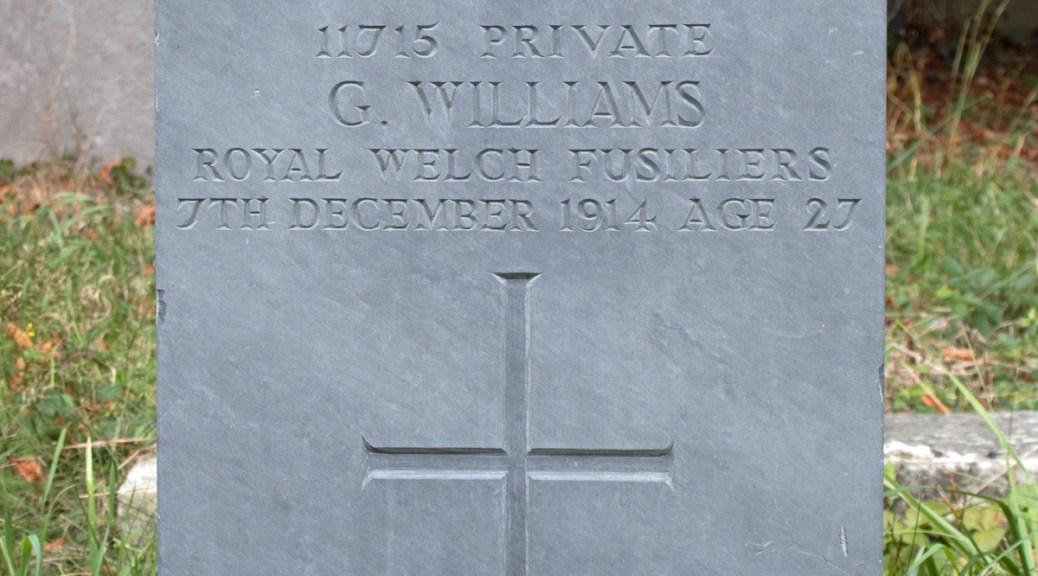
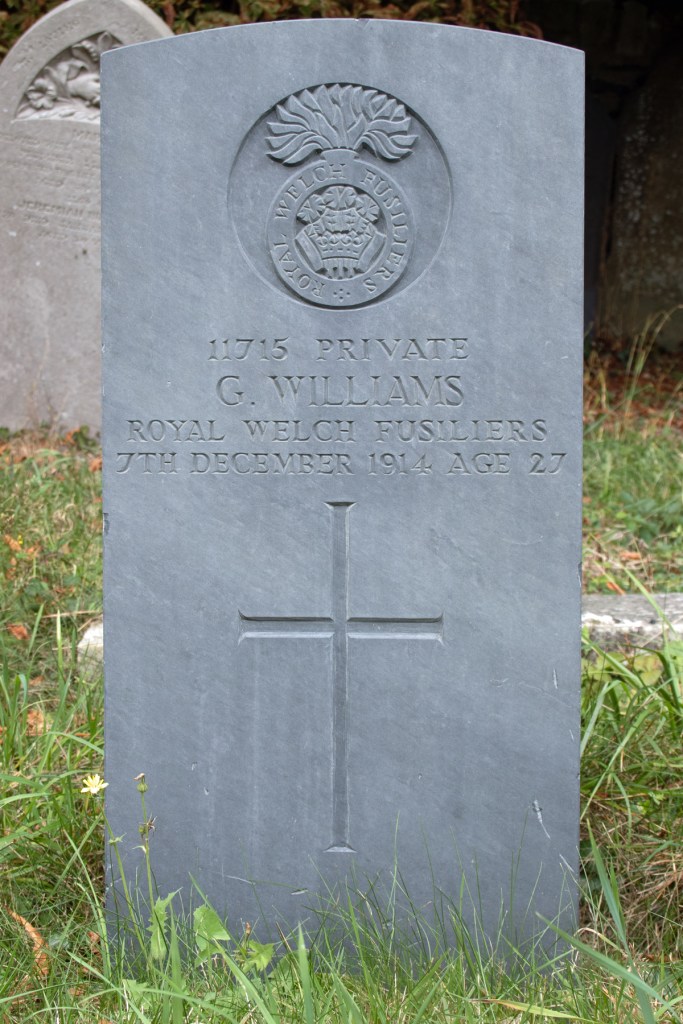
War was closing in on Europe, and Owen was keen to play his part. Sadly his service records have been lost over time, but it is clear that he had enlisted in the army by May 1916. Private Owen joined the Royal Welch Fusiliers, and was assigned to the 14th Battalion.

Part of the 38th Division, the battalion was to be caught up in some of the fiercest and most desperate fighting of the First World War. In July 1916, Owen would have been entrenched at The Somme and, after the first few horrific days, his battalion was one of those involved in the fighting at Mametz Wood.

Private Owen was badly wounded during the battle and medically evacuated to Britain for treatment. Admitted to a military hospital in Birmingham, he was to remain there for a number of months until, on 12th November 1916, his body finally succumbed to his injuries. He was 36 years of age.

Owen Jonah Owen was brought back to his home village for burial. He was laid to rest in the graveyard of St Peris Church in Llanberis.


Private Hugh Jones

Private Hugh Jones

Hugh Henry Jones was born in around 1876 in the Welsh village of Llanberis, Gwynedd. He was one of seven children to quarryman John Jones and his wife Mary.

Slate was the big industry in Snowdonia, and Hugh and his brothers all followed his father into the quarries. Labour was plentiful and wages would not have been high, so when the opportunity arose for employment overseas, he seems to have taken it.

Exact details are sketchy, but Hugh emigrated to Australia at some point in the early 1900s. He settled in the city of Goulburn, New South Wales and the experience he had built up back home stood him good stead, as he continued working as a quarryman.

When war broke out in Europe, those in the British colonies were called upon to play their part, and Hugh was among those to serve King and Country. He enlisted on 29th December 1915, joining the 55th Battalion of the Australian Infantry.

Private Jones’ service records show that he was 40 years and six months old, stood 5ft 4ins (1.63m) tall and weighed 130lbs (59kg). He had a dark complexion, blue eyes and black hair. He also appears to have had a denture in his lower jaw.

After initial training, Private Jones set off for Europe at the end of September 1916, arriving in Plymouth six weeks later. Within a matter of weeks he was on the move again, sailing for France, and arriving at Etaples at the start of 1917.

Private Jones was ensconced on the Western Front for the next few months but, as spring came, he was starting to have some health issues. In April he was admitted to a field hospital suffering from dyspepsia (indigestion), which was subsequently diagnosed as gastritis.

Medically evacuated to Britain for treatment, Hugh spent the next few months being treated in hospitals in Kent, and Dorset, before being admitted to the Royal Infirmary in Liverpool. Sadly, by this point, his condition had been identified as stomach cancer and, while in Liverpool, he passed away. Private Jones breathed his last on 13th November 1917, at the age of 41 years old.

Hugh Henry Jones was brought back to Wales for burial. He was laid to rest in the graveyard of St Peris Church in his home village of Llanberis.


Private Hugh Jones
(from findagrave.com)

Private William Rowlands

Private William Rowlands

William Pierce Rowlands was born the summer of 1891 and was the oldest of three children to Thomas and Ellen Rowlands. Thomas was a slate dresser and quarryman from North Wales, and William was born in Ffestiniog, Gwynedd. By the time his sister Margaret was born, the young family had moved to Llanberis, settling in a small cottage on the outskirts of the village.

When he left school, William found work as a clerk, and this was the work he was carrying out when was broke out. He enlisted on 10th April 1915, joining the 14th (Service) Battalion of the Royal Welch Fusiliers. His service records show that he was 5ft 8ins (1.73m) tall.

Private Rowlands served on home soil for just over seven months, before being sent to France on 30th November 1915. He had been suffering from a cough for a couple of weeks, and this came to a head while he was overseas. He reported sick on 16th December, and was sent back to Britain for treatment a month later.

His condition was identified as pulmonary tuberculosis, aggravated by military service. Private Rowlands was medically discharged from the army on 8th February 1916, and returned home.

At this point, William’s trail goes cold. His condition appears to have worsened, however, and it was from tuberculosis that he was to die. He passed away at home on 18th February 1917, at the age of 25 years old.

William Pierce Rowlands was laid to rest in the quiet graveyard of St Peris Church, in the family home village of Llanberis.


Thomas and Ellen lived until 1932, when the passed away within a couple of months of each other (Thomas in August, Ellen in November). They were reunited with the son, and lie together in the family grave, along with Ellen’s brother, also called William, who had passed away in 1930.


Private Griffith Hughes

Private Griffith Hughes

Griffith Hughes was born in Llanberis, in modern day Gwynedd, in 1893. Sadly, there is little information about his early life, and records mention his mother – Margaret – but no father. The 1901 census records Griffith as living with his grandmother, Ann Hughes.

Ten year later, the two are living in a two-up, two-down cottage – 19 Snowdon Street, Llanberis – with Griffith’s aunt, Ann’s daughter Jane, and her husband, Thomas. Griffith is earning money by now, working as a slate dresser at one of the local quarries.

War was coming to Europe by this point, and Griffith was called upon to play his part. He initially enlisted in the Welch Regiment as a Private, although he seems to have transferred across to the South Wales Borderers during his service.

Private Hughes’ time in the army was spent on home soil, although he earned the Victory and British Medals for his service. He remained in the army through to the end of the war and beyond until, on 15th August 1919, he was medically discharged. He had developed tachycardia, and this was having an impact on his life.

When Griffith left the army, he was based in Lancashire, and was living in the village of Bryn, to the south of Wigan. He remained in the area for the next year, his health sadly deteriorating. Admitted to the cottage hospital in nearby Pemberton, he passed away from his heart condition on 18th September 1920. He was just 27 years old.

Griffith Hughes was brought back to Wales for burial. He was laid to rest in the quiet graveyard of St Peris Church, in his home village of Llanberis.


Private Thomas Rice

Private Thomas Rice

Thomas Merrall Rice was born on 4th January 1894, one of thirteen children to William and Martha. William was from Northamptonshire, but it was in Bearsted, near Martha’s home town of Maidstone, where the couple raised their family.

Little detail of Thomas’ early life remains. What is clear is that, by the summer of 1916, he was living in Plumstead, South East London and was working as a valet. He had met Annie Jane Rix by this point, and the couple married on 17th June 1916 at All Saints Church in Plumstead.

Thomas was called up for military duty not long after this and, on 1st November 1916, he enlisted in the 14th Battalion of the London Regiment, also known as the London Scottish. His service records show very specifically (although seemingly incorrectly) that he was 25 years and 300 days old. It was also noted that he stood 5ft 5.5ins (1.64m) tall and was, by this time, employed as an explosives worker at Woolwich Arsenal.

After his initial training, Private Rice was sent to France at the end of May 1917. His service overseas was not to be a long one, as, within a couple of months, his battalion had been the victims of a gas attack. Thomas was admitted to a field hospital but quickly developed pleurisy and tuberculosis, and was medically evacuated back to Britain in August, and discharged from the army as no longer fit for active duty just a couple of months later.

His failing health meant that Thomas was not able to actively work, and it seems that he had moved out of London and back to his family’s home on the outskirts of Maidstone. It is unclear whether Annie went with him, but, as they had a son, Albert, who had been born shortly before he was sent to France, it seems likely that they would have moved as a family unit.

William, Thomas’ father, died in the summer of 1919, and was laid to rest in the graveyard of Holy Cross Church, Bearsted. Sadly, Thomas was to follow him, passing away on 15th January 1920, a victim of the lung conditions that had dogged him since France. He had just turned 26 years of age.

Thomas Merrall Rice was laid to rest alongside his father in the quiet Holy Cross Churchyard.


Private Thomas Rice
(from findagrave.com)