Tag Archives: tuberculosis

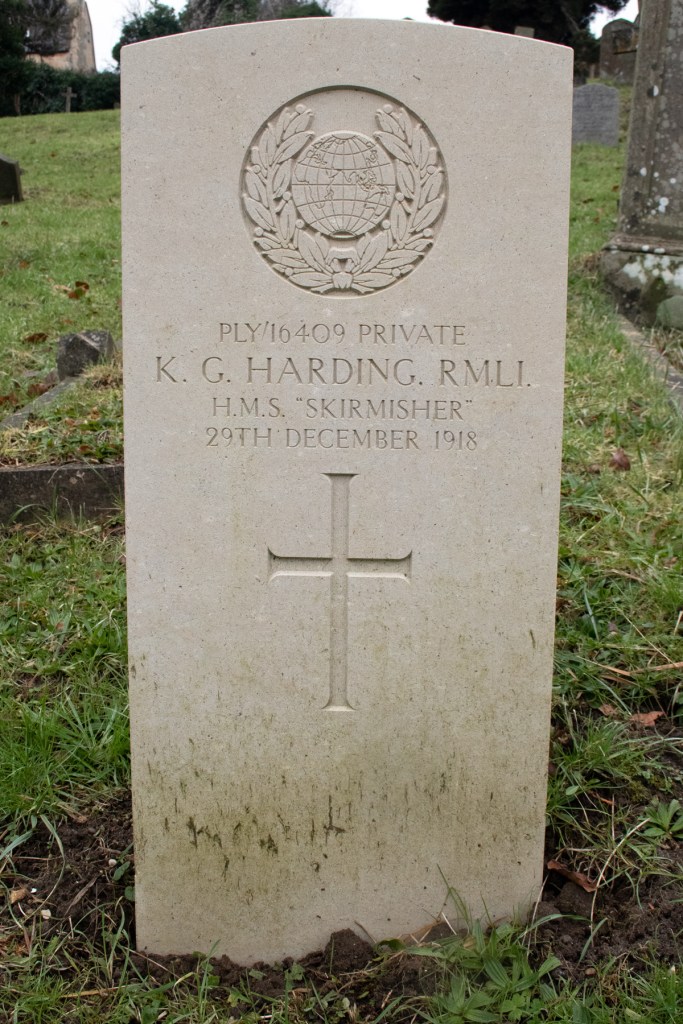
Private Kenneth Harding

Private Kenneth Harding

Kenneth Gordon Harding was born in the autumn of 1896, in the Somerset village of Batheaston. The oldest of nine children, his parents were Lawrence and Fanny Harding. Lawrence was a market gardener when Kenneth was born, but by the time of the 1911 census – and with a growing family to support – he found other employment as a roadman.

When he left school, Kenneth found work as a gardener, but he had his sight set on distant shores. On 25th September 1913 he enlisted in the Royal Marine Light Infantry, determined to see the world. His service records show that he was 5ft 3ins (1.6m) tall, with light hair, blue eyes and a light complexion.

For the duration of his naval career, Private Harding was based out of Plymouth Dockyard, returning there in between each of his voyages. Over the next four years, he served on three different vessels – HMS Heroic, HMS Duke of Edinburgh and HMS Skirmisher. His service records shows that he maintained a satisfactory level of conduct, and that his general character was very good.

By January 1917, Kenneth had fallen ill, and was medically discharged from the army, having contracted tuberculosis. He returned home, but his illness continued to dog him.

On 22nd May 1918, Kenneth’s younger brother, Leonard Harding, who was serving with the Royal Inniskilling Fusiliers, was killed while fighting in France. Private Leonard Harding was just 19 years old. He was laid to rest in the Duhallow ADS Cemetery at Ypres.

With Kenneth’s own health not looking good, his parents must have feared the worst. The worst was to some, sadly, when he breathed his last at home on 29th December 1918. He was just 22 years of age.

Kenneth Gordon Harding was laid to rest in the graveyard of St John the Baptist Church in his home village, Batheaston.

Corporal James Stuckey

Corporal James Stuckey

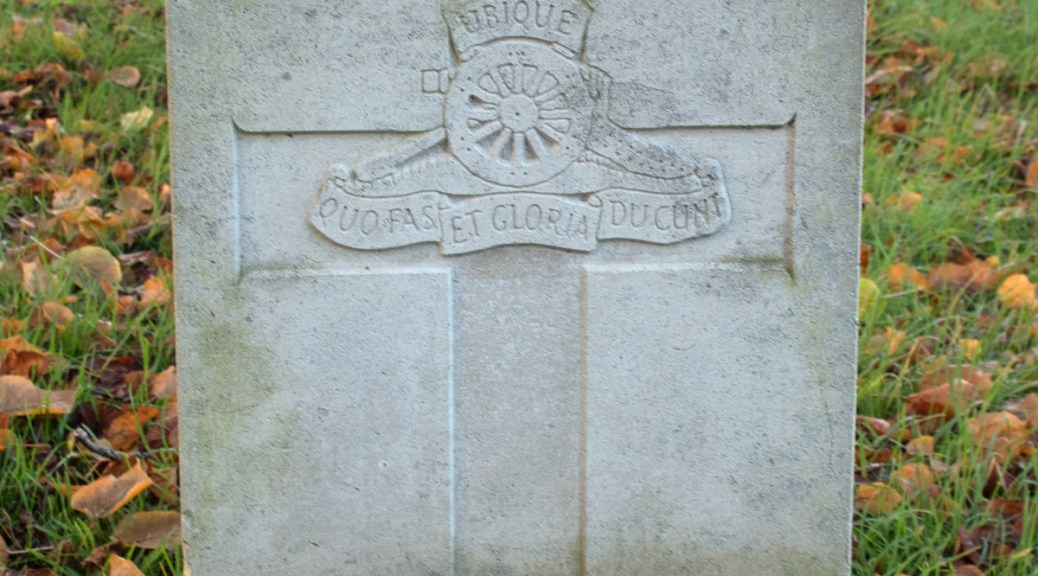
James Oscar Stuckey was born in the summer of 1886, in Milford Haven, Pembrokeshire. The second of eight children, his parents were James and Minnie Stuckey. James Sr was a carter from Langport in Somerset, and his work took him across the country. James Jr’s older sister was born in Sandown, on the Isle of Wight, and, when his next sibling was born, the family had moved back to Somerset and were living in the village of Curry Rivel.

By the time of the 1901 census James Sr was working as a warehouseman. James Jr had also left school and found employment as an agricultural labourer.

On 24th March 1913, James married Margaret Beatrice Tilley – who was better known as Beattie. The couple set up home in Curry Rivel, and went on to have two children, Cecil and James.

By this time war was coming to Europe and, in January 1915, James stepped up to play his part for King and Country. He enlisted in the Royal Field Artillery, and was given the rank of Gunner. Over the next couple of years, he served in France and Italy, rising through the ranks to Bombardier and Corporal.

During this time, however, James’ health was being impacted. His troop was gassed while in France, and he was hospitalised a couple of times with bronchitis and tuberculosis, and it was TB that saw him evacuated to Britain for treatment in September 1918.

His condition was such that Corporal Stuckey was medically discharged from the army on 23rd November 1918, as he was no longer fit for duty. He returned to civilian life, and settled back into Curry Rivel.

He was well-known in the district, and being of a jovial disposition, was liked by everyone with whom he came into contact. He was a member of the Curry Rivel Male Friendly Society.

Langport & Somerton Herald: Saturday 11th December 1920

James’ lung conditions were to get the better of him. After a protracted illness, he finally succumbed, breathing his last on 3rd December 1920. He was just 34 years of age.

James Oscar Stuckey was laid to rest in the graveyard of St Andrew’s Church, in Curry Rivel.


Lance Corporal John Roberts

Lance Corporal John Roberts

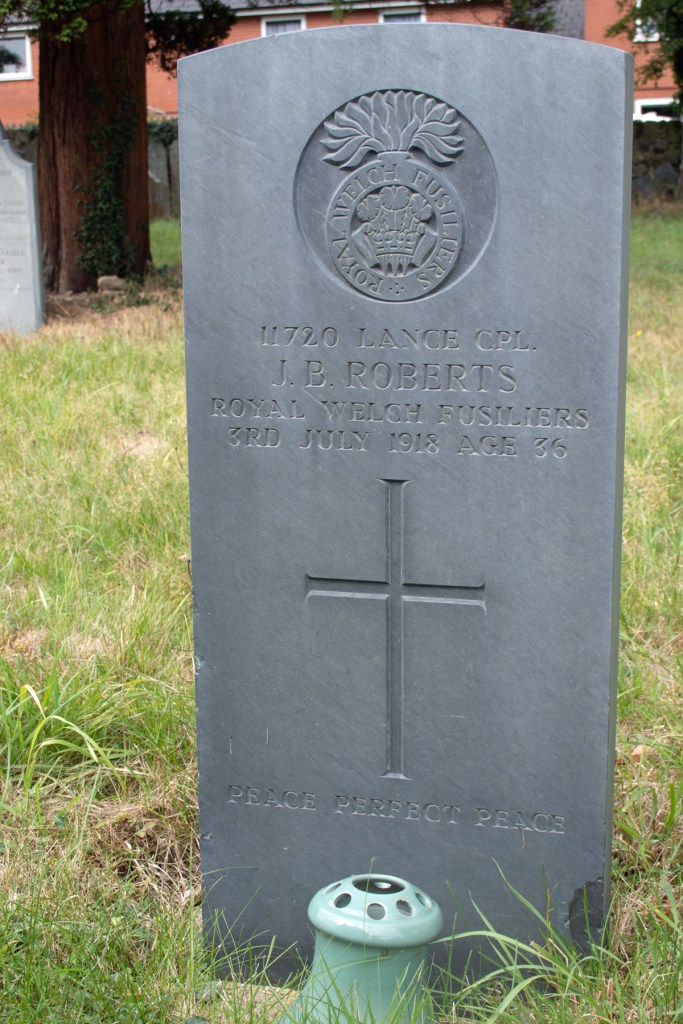
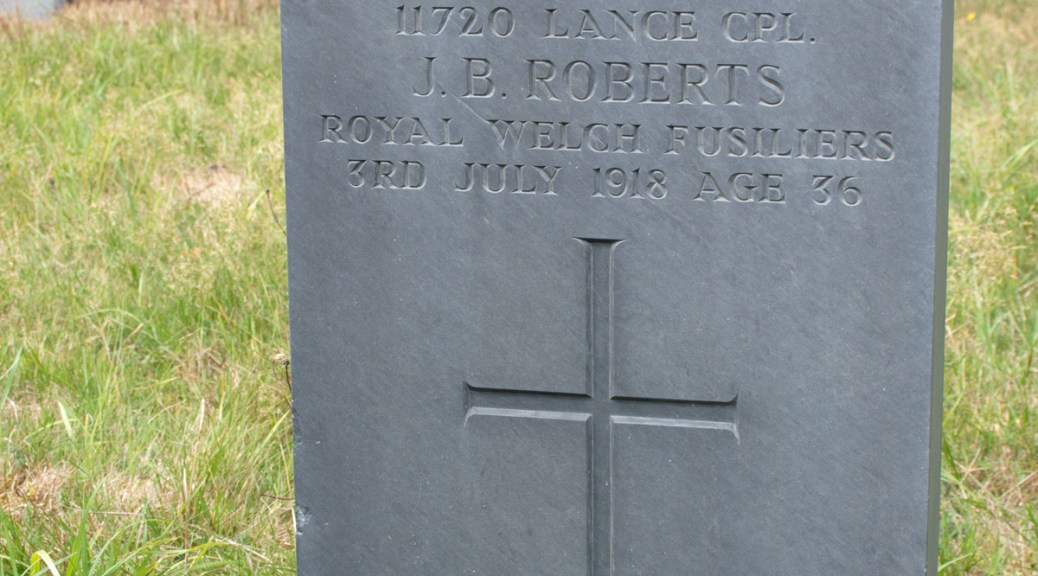
John Briscoe Roberts was born in 1882 in the Welsh village of Llanaelhaiarn. He was the oldest of ten children to the village’s sub-postmaster Samuel Roberts and his wife Elizabeth.

When he left school, John found employment with a local estate agent and, by the time of war was declared, he was working as a clerk for a timber mill in Llangollen, Denbighshire.

John was quick to enlist – he joined up on 15th August 1914 and, as a Private, was assigned to the Royal Welch Fusiliers. His service records show he was 5ft 7ins (1.70m) tall, and weighed 142lbs (64.4kg). They also note that he had black hair, brown eyes and a dark complexion.

Private Roberts’ initial service was carried out on home soil. He worked diligently and was rewarded for it, being promoted to Lance Corporal in December 1914. By the following June, his troop, the 8th Battalion, was sent overseas, first to Mudros in Greece, and then on to Gallipoli. In September 1915, Lance Corporal Roberts contracted dysentery and tuberculosis. He was medically evacuated back to Britain and admitted to the 1st Scottish General Hospital in Aberdeen to recover.

On 26th January 1917, John married Gladys Emily Edwards in Wrexham Parish Church. The couple settled down in Llangollen, where Gladys was from, and where John had been working before the war. His lung condition continued to dog him, however and, after another couple of months, he was deemed no longer fit for active service, and medically discharged from the army.

John took up his role in the timber yard again, remaining there for the next year or so. Tuberculosis was ultimately to get the better of him, however, and he passed away on 3rd July 1918, at the age of 36 years old.

John Briscoe Roberts was laid to rest in the graveyard of St John’s Church in Llangollen, Denbighshire.


Private Lot Hayward

Private Lot Hayward

Lot Hayward was born in November 1897 in the Somerset village of West Coker. The seventh of eight children, his parents were Walter and Elizabeth Hayward. Walter was a twine maker at a local factory, but when Lot left school – and after Elizabeth died in 1908 – he found work as a farm labourer.

Lot was seeking bigger and better things in life, however, and on 18th August 1913, he enlisted in the Royal Marine Light Infantry. His service records confirm that he was 5ft 6ins (1.67m) tall, had light brown hair, brown eyes and a pale complexion. It also confirms that he lied about his age – giving his year of birth as 1895 in order to be accepted for service.

Private Hayward joined up at the recruitment depot in Deal, Kent, and, after training there, he was sent to Plymouth in Devon, arriving there in June 1914. Over the next couple of years, he moved between Devon and HMS Victory, the Royal Navy Dockyard in Portsmouth, Hampshire.

When war was declared, Lot also served overseas, fighting at Antwerp, Alexandria and in Turkey. While there in the summer of 1916, he fell ill, contracting pulmonary tuberculosis. He returned to Plymouth, and was admitted to the Royal Naval Hospital in the city.

His lung condition meant that Private Hayward could no longer perform his duties as a soldier. He was medically discharged from the navy on 10th June 1916.

Lot returned home, but his condition grew steadily worse. He eventually succumbed to it, passing away on 18th November 1917, at the tender age of just 20.

Lot Hayward was laid to rest in the graveyard of St Martin’s Church in his home village of West Coker. Reunited with his mother, Lot’s father, Walter, was also laid to rest in the family plot when he passed away in 1920.


Private Arthur May

Private Arthur May

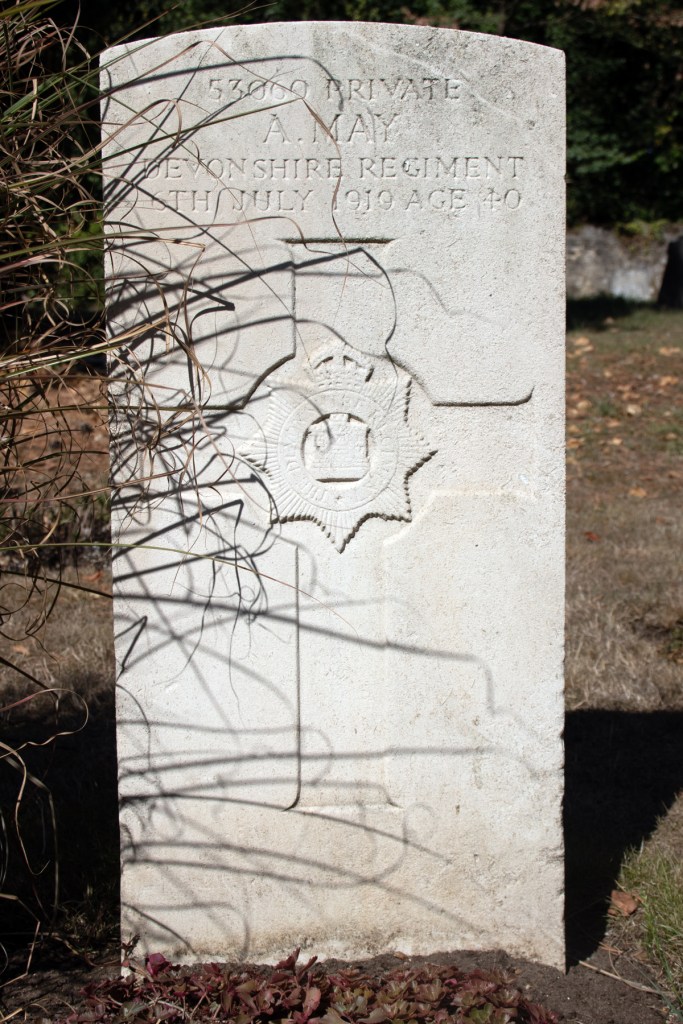
The life of Arthur May is a difficult one to uncover. Born in Aylesford, Kent, in the summer of 1879, he was baptised on 10th August, and only his mother’s name – Eliza May – recorded.

There is a record of an Arthur May from Aylesford in the 1881 census, but that gives his mother’s name as Ann (and the father’s as labourer William May). Twenty years later, the same Arthur may is listed as boarding with his sister and brother-in-law’s family in Halling, Kent, where he was working as a labourer in the local cement works. Again, however, it is impossible to confirm that this Arthur May is the one being sought.

Further records identify Arthur’s wife as a woman called Annie, although no marriage records remain to confirm a union.

Details of Private May’s war service is pretty limited, but he seems to have enlisted in the Devonshire Regiment in February 1917. He subsequently transferred to the 167th Coy Labour Corps and was sent to France, but returned to Britain a month later, having fallen ill. His condition turned out to be tuberculosis and he was medically discharged from the army in August 1917.

Private May’s medical report adds some tantalising detail to his military service. He is recorded as being 39 years and one month old, 5ft 9ins (1.75m) tall, with a pale complexion, blue eye and light brown hair. He had a tattoo on his left forearm and was working as a labourer, while living in Ditton, near Maidstone, in Kent.

The report also suggests that Arthur had initially enlisted in the Royal Naval Volunteer Reserve in November 1915. It notes that he was frequently disabled with shortness of breath and a cough during his fourteen months with the navy.

Arthur returned home after his discharge. While his trail goes cold, it is likely that his lung condition continued to dog his civilian life. On 6th July 1919, he passed away and, although no cause is freely recorded, as there is a lack of comment in contemporary local newspapers, illness would be a possible cause. He was 40 years of age.

Arthur May was laid to rest in the graveyard of his local church, St Peter’s & St Paul’s in Aylesford, Kent.


Private Norman Roberts

Private Norman Roberts

Norman David Roberts was born on 3rd November 1886 in the North Wales town of Llangollen. He was the youngest of three children to weaver John Roberts and his wife, Emma.

When he left school, Norman found work as a clerk on the railways and, by the time of the 1911 census, he had moved over the English border to Chester, and was boarding with an Emma Matheson.

The move to England may have spurred Norman on to other things. At some point after the census, he made the decision to seek a better life overseas. He emigrated to North America and settled in the town of Everett, to the north of Seattle. He continued his trade, however, and recorded himself as doing clerical work in transportation.

War was coming to Europe by this point and, in December 1917, Norman stood up to play his part. He made the crossing to Victoria, in the Canadian state of British Colombia, and enlisted in the Canadian Expeditionary Force.

Private Roberts’ service records show that he was 5ft 11ins (1.80m) tall, had blue eyes, brown hair and a fair complexion. He had no distinguishing marks, but was recorded as having 20/20 vision. His religion was also recorded as Baptist/Congregationalist.

Norman was assigned to the 53rd Company of the Canadian Forestry Corps, and arrived back in Britain on 26th January 1918. Based in Shorncliffe, Kent, he was involved in felling and trimming trees and wood for the war effort.

Private Roberts was given a couple of periods of leave – five days in July 1918, and nine days in December that year. The latter leave was granted so that he could marry Claudia Griffiths back home in Wales.

While the Armistice had been declared, by January, Norman was back in Kent helping the post-war effort. Things were to take a turn, however, as he caught a severe cold, and a nagging cough. Unable to shake it, he grew progressively weaker and, over the next six months, lost 20lbs (9kg) in weight.

Admitted to the camp hospital in June 1919, Private Roberts was diagnosed with bronchitis. He was moved to another hospital in Orpington, Kent, where his diagnosis was upgraded to tuberculosis. Invalided back to Canada that August, within a matter of weeks he was medically discharged from service. His discharge papers noted that was weighed just 122lbs (55.3kg) and has a long flat chest with prominent clavicles. Norman’s once fair complexion was now dark (a combination of his work outside and his health).

Now out of the army, Norman made the journey back to North Wales, and settled in Llangollen with Claudia. The couple went on to have a daughter in 1920, but Norman’s health was deteriorating. He passed away at home on 23rd February 1921, at the age of 34 years old.

Norman David Roberts was laid to rest in Fron Cemetery in his home town of Llangollen. His was a family plot, and he was reunited with Claudia when she passed away.


Private Benjamin Prytherch

Private Benjamin Prytherch

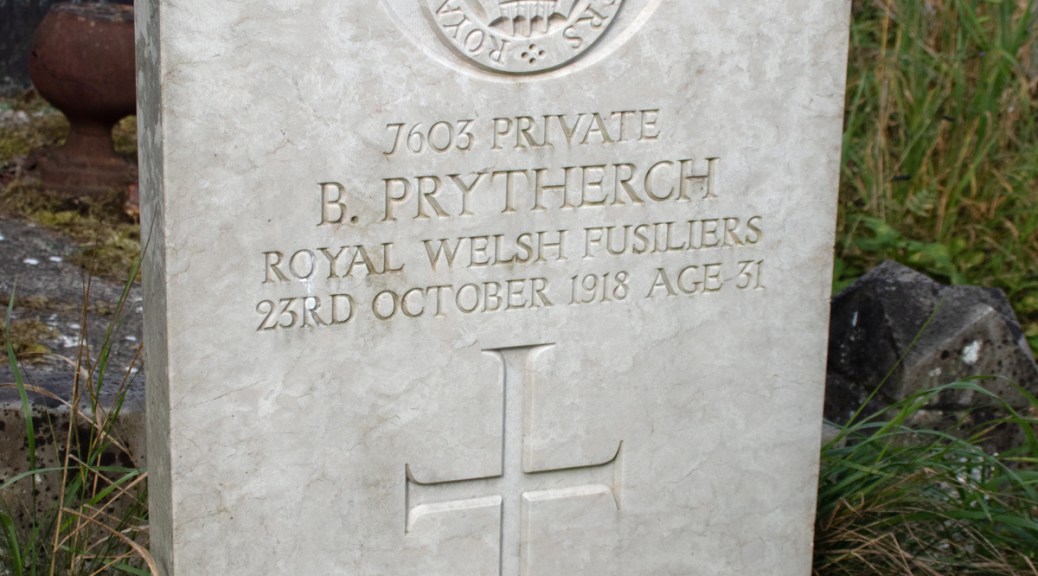
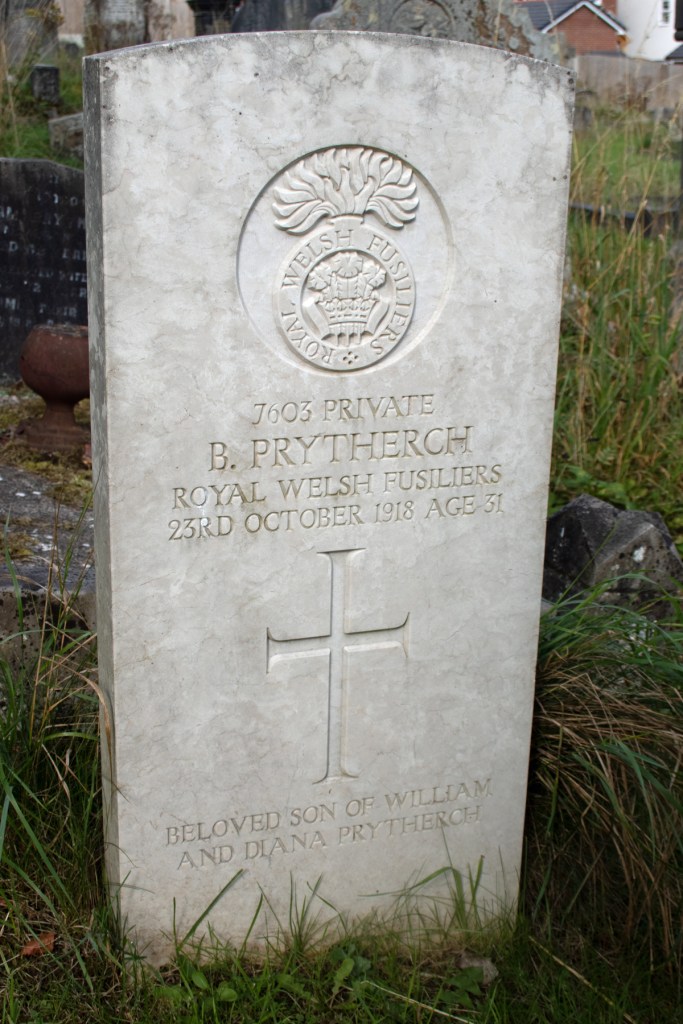
Benjamin Prytherch was born in the summer of 1887 in Cefn Mawr, to the east of Llangollen, Denbighshire. One of eight children, his parents were local blacksmith William and his wife, Diana. The family moved around a little while young Benjamin was growing up, but by 1901 had settled in Llangollen itself.

By the time of the 1901 census, Benjamin was the only one of the Prytherch siblings to still be living with his parents and was employed as a cabinet maker.

When war broke out, Benjamin was quick to enlist. He joined the Royal Welch Fusiliers and was assigned to the 1/4th (Denbighshire) Battalion. His service records show that he was 5ft 3.75ins (1.62m) tall and of good physical development.

While his battalion was part of the regiment’s Territorial Force, by February 1915, Private Prytherch found himself in France. He was caught up in the fighting almost immediately, and was injured during an explosion in a trench in May that year.

Sent to the No. 3 British General Hospital at Le Tréport in Normandy, Private Prytherch remained there for a little over a month to recover. However, when he returned to the front line, his health was impacted and he was unable to perform his duties without his breathing becoming affected. Further assessment revealed a heart murmur and he was sent back to Britain in July 1915.

Benjamin’s condition did not improve, and by October 1916, he was medically discharged as a direct result of the injuries he had sustained in the trench blast.

At this point, Benjamin’s trail goes cold. He returned home, but it is unclear whether he was able to work again. All that can be confirmed is that by October 1918 he had contracted pulmonary tuberculosis. He died on the 23rd of that month in the town of Corwen, ten miles to the west of Llangollen. He may have been in respite care of some sort, as his parents were still living in Llangollen itself. He was just 31 years of age when he passed away.

Benjamin Prytherch was brought back to Llangollen for burial: he was laid to rest in what became the family plot in the town’s Fron Cemetery.


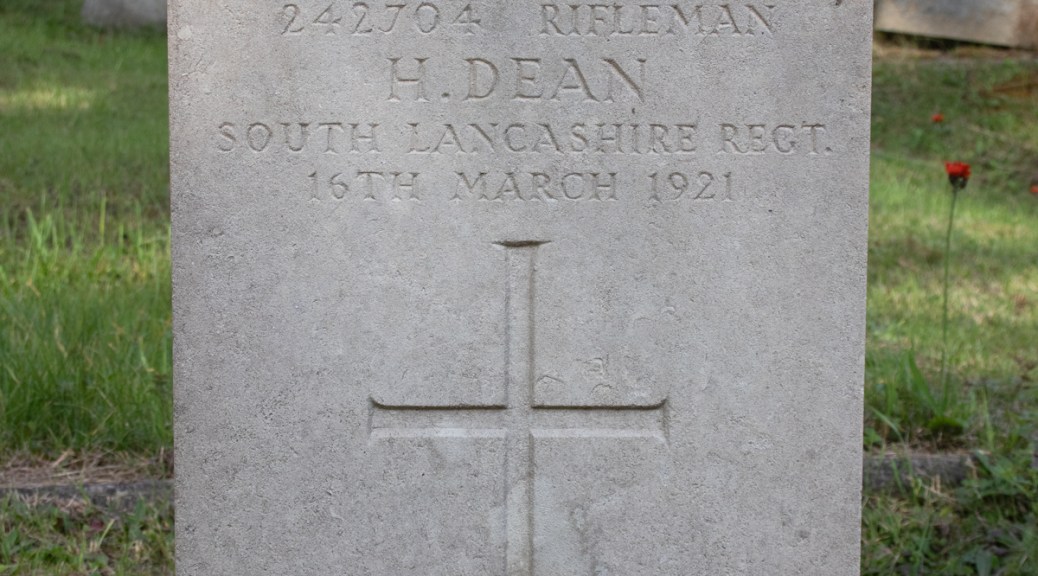
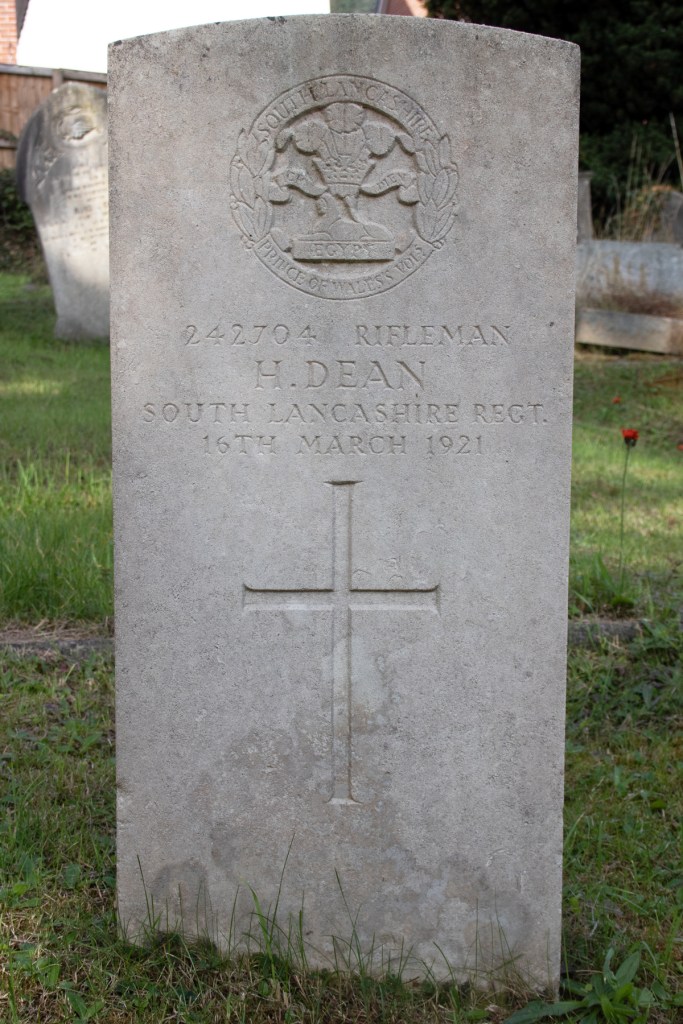
Rifleman Harold Dean

Rifleman Harold Dean

Harold Dean was born in the spring of 1888 in Llangollen, Denbighshire. One of four children to John and Sarah Dean, his father was a waiter at the Hand Hotel in the town until his death in 1905. When Harold left school, he was taken on by the hotel, and, by the time of the 1911 census, was recorded as working as a billiard marker.

War was coming to Europe by this point and, on 24th October 1916, Harold enlisted. He joined the South Lancashire Regiment (also known as The Prince of Wales’s Volunteers) and was assigned to the 2nd/5th Battalion.

After an initial few months’ training, Private Dean was sent to France, and was soon ensconced on the Western Front. Caught up in the fighting, he received a gun shot wound to his left wrist on 7th June 1917 and, after some initial treatment in a camp hospital, he was evacuated to Britain for full recuperation.

Harold remained on home soil for the remainder of the year, He contracted tuberculosis that winter and was medically discharged from the army because of it on 5th December 1917.

At this point, Harold’s trail goes cold. He returned to Llangollen, and remained there after his mother passed away in 1919. It appears that his lung condition continued to dog him, however, and this was probably the cause of his untimely passing. He died on 16th March 1921, at the age of 33 years old.

Harold Dean was laid to rest in Fron Cemetery, in his home town of Llangollen.


Private Joseph Roe

Private Joseph Roe

Joseph Leonard Roe was born on 16th February 1892 in Totnes, Devon. The older of two children, his parents were Francis and Mary Roe. Mary died in 1898, when Joseph was only six years old, leaving Francis, who was a traveller for a wholesale grocer, to raise his sons. Tragically, he also passed away in 1902, and it seems that Joseph and his brother were left in the care of their paternal grandmother.

Hope was to come out of adversity – the 1911 census recorded Joseph as boarding in a school in Tiverton, while his brother, who was called Francis, found work as a clerk at a chartered accountant. He was living with his grandmother Mary and aunt Marian in Weston-super-Mare, Somerset.

Joseph followed in his father’s footsteps, finding work as a chemist’s merchant, and this took him travelling across the country. When war broke out, he was living in Wallasey, Merseyside, and it was from here that, on 28th August 1914, he was to enlist.

Joseph’s service records show that he was 5ft 11ins (1.80m) tall, was of good physical development and had good vision. He was accepted for enlistment into The King’s (Liverpool Regiment), and was assigned to the 10th (Scottish) Battalion.

After a coupe of months’ training, Private Roe set sail for France, arriving in Le Havre on 1st November 1914. His time overseas, however, was to be cut short, however, when he contracted a combination of myalgia, bronchitis and diarrhoea. He was medically evacuated back to Britain on 30th November, and given time to recover.

Private Roe remained on home soil for the remainder of his time in the army. However, he continued to suffer with his health. In the spring of 1916, he contracted tuberculosis and was at his grandmother’s home when he passed away on 4th April. He was just 24 years of age.

Joseph Leonard Roe was laid to rest in Totnes Cemetery, buried in the family grave, and reunited with his parents at last.


Francis, meanwhile, had also played an active part on the First World War. He joined the 2nd Battalion of the South Lancashire Regiment and fought on the Western Front.

While at Etaples, he was wounded, and succumbed to his injuries on 7th January 1916, aged just 21 years old. Second Lieutenant Francis Roe was buried at Etaples Military Cemetery in Northern France.

His sacrifice is also commemorated on the family monument in Totnes Cemetery.


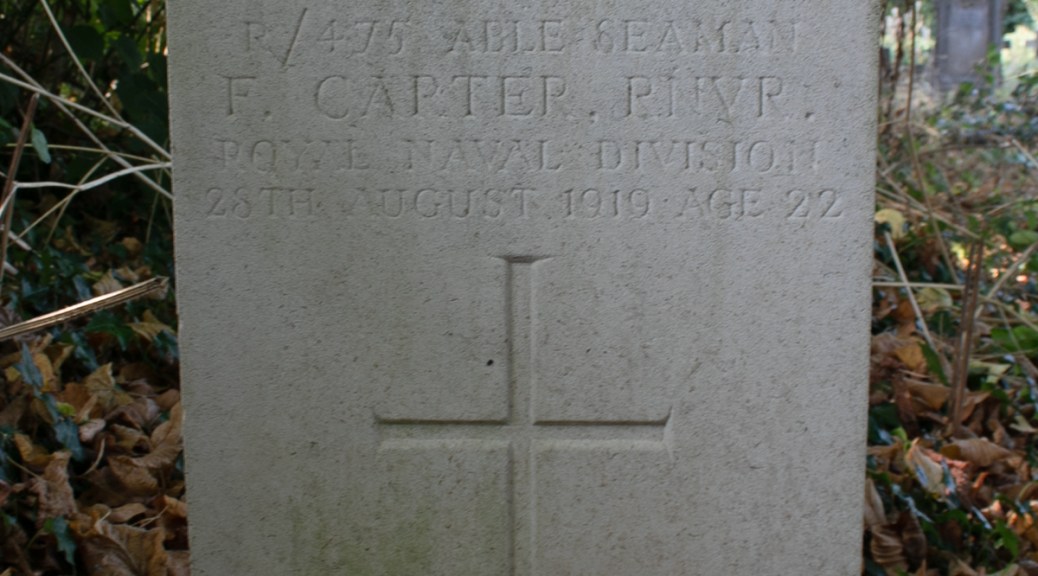
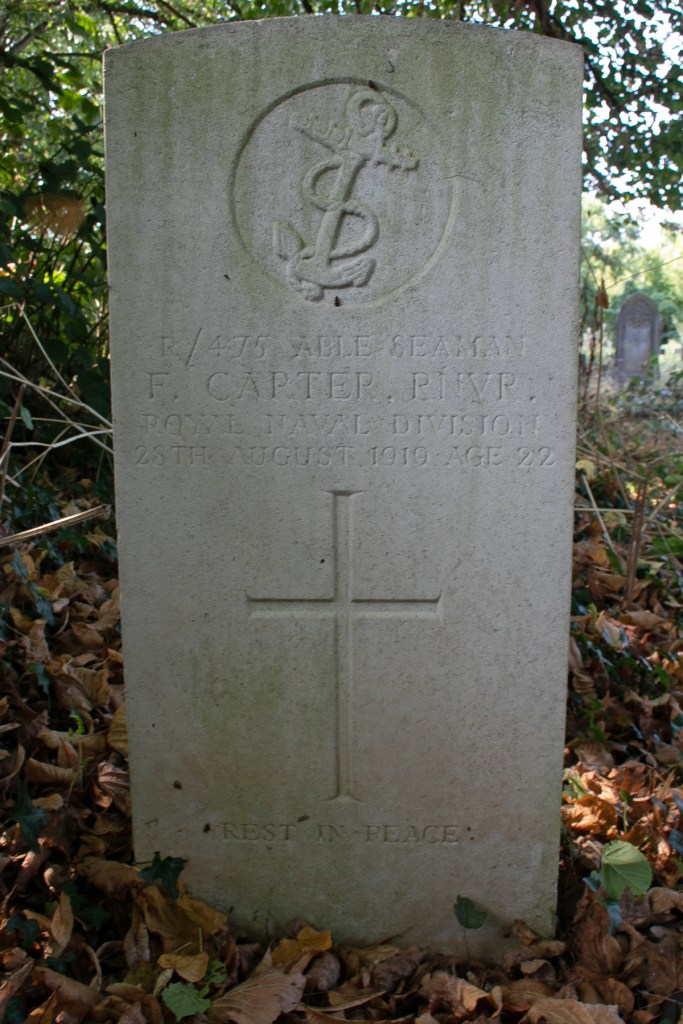
Able Seaman Frederick Carter

Able Seaman Frederick Carter

Frederick Carter was born in the autumn of 1896 in the village of Wick, Gloucestershire, midway between Bristol and Bath. He was one of nine children to farm labourer John and his wife, Charlotte.

Sadly, there is little concrete documentation on Frederick’s life. When he left school, he found work in the local shoe trade, as his older siblings had done before him.

At some point he enlisted in the Royal Naval Voluntary Reserve, although, again, exact details on this are scarce. This particular branch of the Royal Navy was there for people with no specific sailing or sea-faring experience behind him, although Frederick must have been dedicated to his duty as he had risen to the rank of Able Seaman.

What is clear is that he survived the war, but was invalided out of service, having contracted pulmonary tuberculosis. He returned to Warmley, Gloucestershire, where his parents were now living. Sadly, this was to be his last home, as well, as he passed away from the condition on 28th August 1919, at the age of just 22 years old.

Frederick Carter was laid to rest in the graveyard of St Barnabas Church, in Warmley, Gloucestershire.