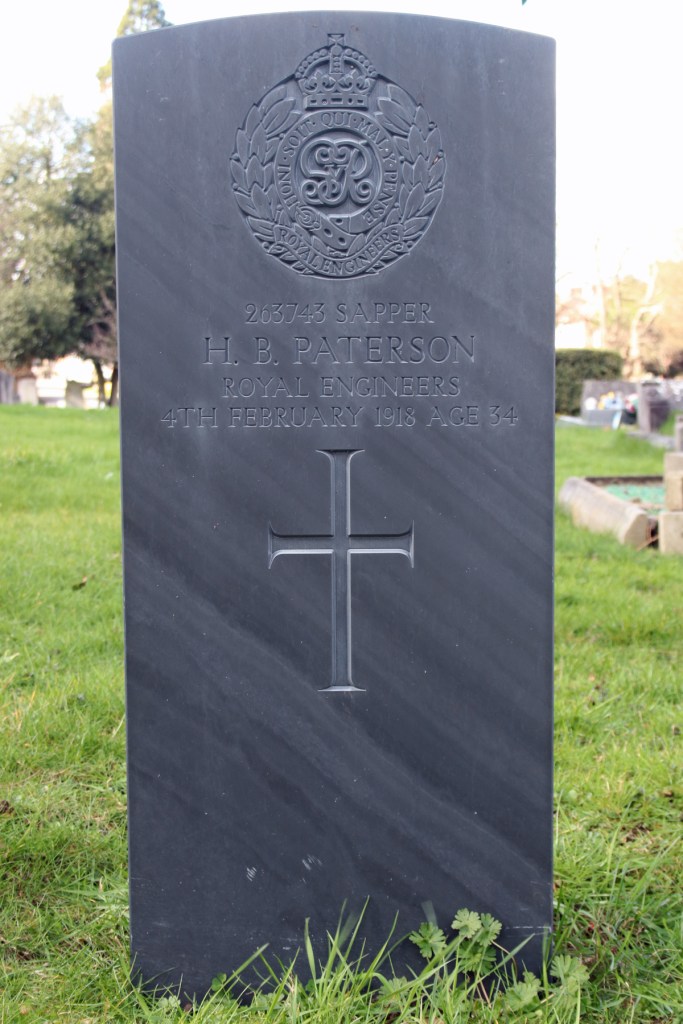
Harry Bruce Paterson was born towards the end of 1893, one of two children to John and Jane Paterson. John worked at Chatham Dockyard fitting ships’ engines, and the family lived in a small terraced house close to the centre of Gillingham in Kent.
When Harry left school, he became a plumber’s apprentice, soon qualifying as a full plumber.
He married Ellen Keeler in 1906, and the couple lived a short walk away from his parents’. They went on to have four children, Lilly, Harry Jr, Mabel and Kathleen.
War was on the horizon, but Harry’s military service records are a bit sketchy.
He enlisted as a Sapper in the Royal Engineers on 14th July 1915, and served in France. He attained the Victory and British Medals as well as the 1915 Star.
Sadly, Sapper Paterson’s health seems to have been impacted by his service. In January 1918 he was invalided back to England and admitted to the military hospital at the army camp in Thetford, Norfolk. Diagnosed with pulmonary tuberculosis, he quickly succumbed to the disease, and passed away on 4th February 1918. He was 34 years old.
Harry Bruce Paterson lies at rest in the Woodlands Cemetery, Gillingham, just a few minutes’ walk from both his parents and his widow and children.
William Henry May was born on 10th August 1854, the oldest of three children to James and Selina May. James was a carpenter’s mate from Plymouth, and the family lived in the Stonehouse area of the city, right next to the dockyard.
Maritime adventure was obviously going to be in William’s blood; by the time of the 1881 census, at the age of 25, he is working as a gunner’s mate and instructor for the Royal Navy. He married a Mary Jane Channing, the daughter of a labourer and fishmonger, in 1879; the coupe were living in their home town of Plymouth.
There are definite gaps in the William’s trail; this may be because he was abroad, or because the documentation relating to him has been lost or destroyed. He next appears on the 1901 census.
By this point, William was a Warrant Officer in the Royal Navy. He is married to Kate Doling, from Gosport in Hampshire, and the couple were living in Sheerness, Kent.
William continued to live close to port; ten years on, and aged 56, he and Kate had moved along the Kent coast to Gillingham, not far from the dockyards at Chatham. The couple had been married 23 years by this point, but had had no children.
By this point, William’s naval service had come to an end. He had served for twenty years, and had reached the rank of Lieutenant, but the census lists him as retired.
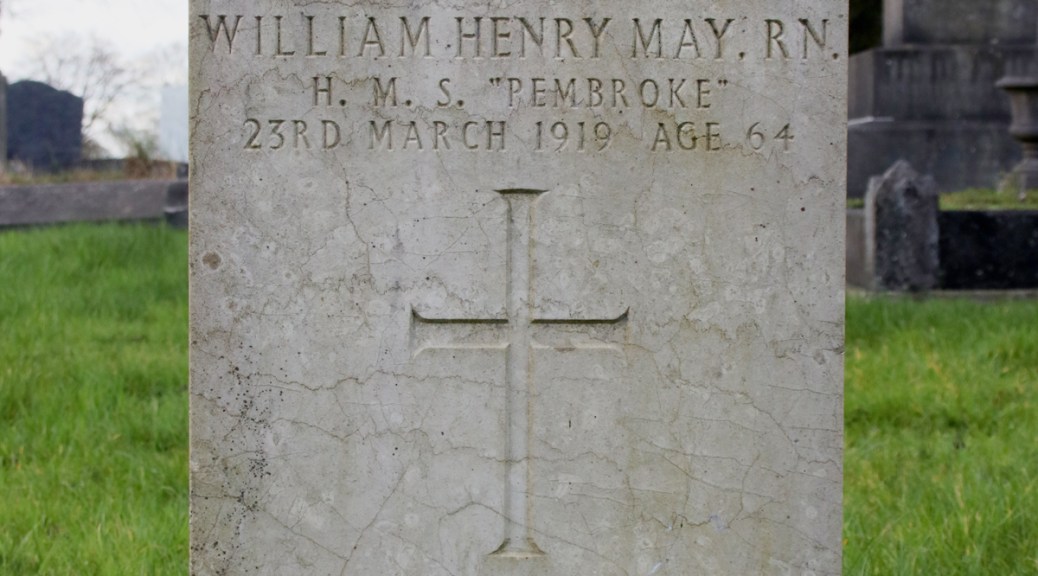
War arrived, however, and William’s services were called upon once more. He was assigned to HMS Pembroke, the shore-based naval barracks in Chatham, and served with the rank of Lieutenant Commander.
From this point, however, William’s trail goes cold. His gravestone confirms that he passed away on 23rd March 1919, at the age of 64, but I have been unable to find a cause of death. His entry on the Commonwealth War Graves Commission site confirms he was the husband of the late Kate Emily May, so she too must have passed away at some point after 1911.
William Henry May lies at rest in the Woodlands Cemetery in his adopted home of Gillingham, Kent.
George Henry Whittell was born in the spring of 1891, the son of engine fitter William and his wife, Florence. George was the oldest of two children, both boys, but sadly lost his mother in 1897, at just six years old.
William remarried two years after her death, and, with his new wife, Frances, he had two further children, Gladys and Leslie.
By the time of the 1911 census, the family were living in Gillingham, Kent, and George and his brother Frederick were both working as boiler makers in the largest employer in the area, the naval dockyard in Chatham. War was on the horizon, and William was also working there as a torpedo fitter.
In 1915, George married Minnie Baker; they went on to have a son, Ronald, who was born in the September of that year.
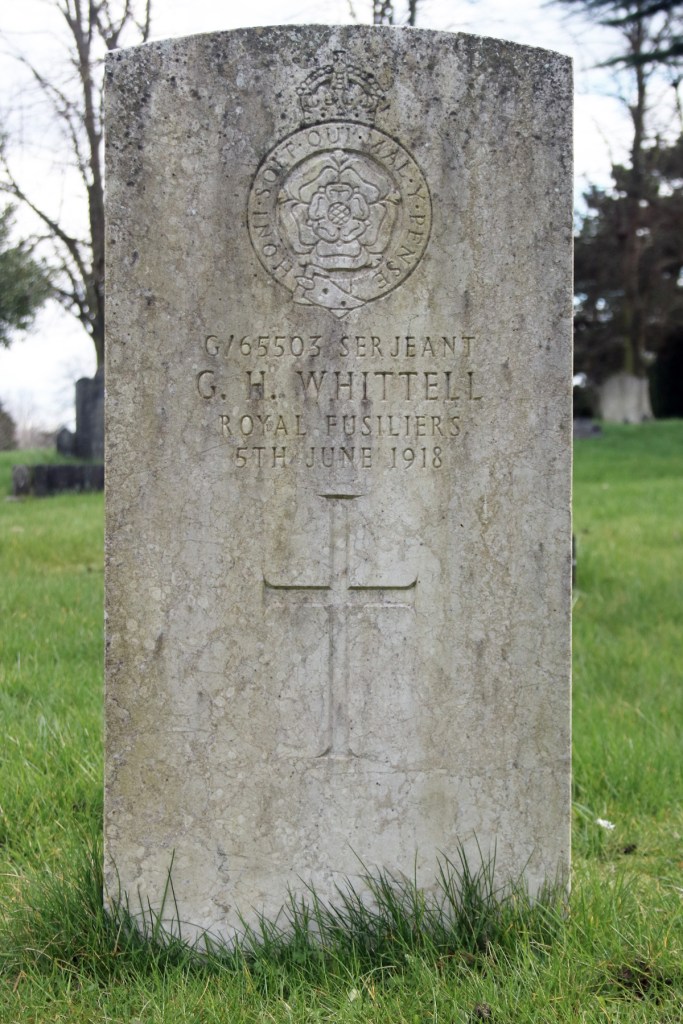
I have not been able to track down all of George’s military records; he enlisted in the Royal Fusiliers, and was assigned to the 10th (Service) Battalion. While his date of enlistment is not recorded, his troop set off for France at the end of July 1915. If George had been involved from that point, he would have departed shortly after his marriage, and would have been at the Front when his son was born.
Little is known of Serjeant Whittell’s service; he was wounded in May or June 1918, and was repatriated to England for treatment. Admitted to the Western General Hospital in Manchester, he sadly did not recover from his wounds, and passed away on 5th June 1918. He was 27 years old.
George Henry Whittell lies at rest in the Woodlands Cemetery in his home town of Gillingham, Kent.
Alfred William Lowes was born in 1893, one of eight children to George and Ann. George was a railway porter from Kent, Ann was born in Berkshire, and the couple had settled in Gillingham, Kent, by the time they started a family.
The naval dockyard in Chatham was one of the main employers in the Medway area of Kent, and Alfred was drawn there for work. After leaving school, he found a job there as a messenger, following his older brother George, who was a labourer there.
In the spring of 1916, Alfred married Edith Kennett, and it seems like the timing was due to his military service. Private Lowes joined the Prince of Wales’ Own Civil Service Rifles (also known as the 15th Battalion London Regiment) and by the beginning of August his troop was bound for France.
Full details of Private Lowes’ military service is not available, although it seems not to have been a lengthy one. He would have fought on the front line, and was wounded as a result. Repatriated back to England for treatment, Alfred passed away at home on 12th November 1916. He was just 23 years of age.
Alfred William Lowes lies at rest in the Woodlands Cemetery in his home town of Gillingham.
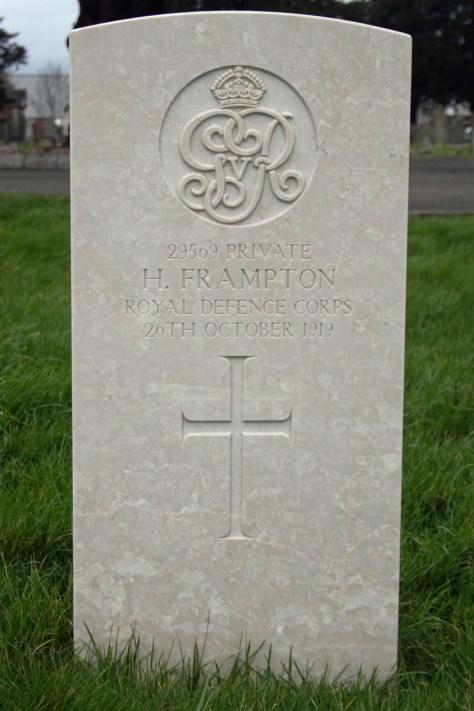
Arthur Henry “Harry” Frampton was born in 1882, the oldest of six children to Henry and Alice. Henry Sr worked as a clerk and cashier in a shoe factory in Bridgwater, while Harry and his brothers also initially followed that line of work.
In the autumn of 1908, Harry married Emma Jane Lee, who was originally from Crediton in Devon. The couple went on to have two children, Rose and John, and, by the time of the next census, the family were living in a small house in the middle of Bridgwater. Harry, by this time, was working as a general labourer.
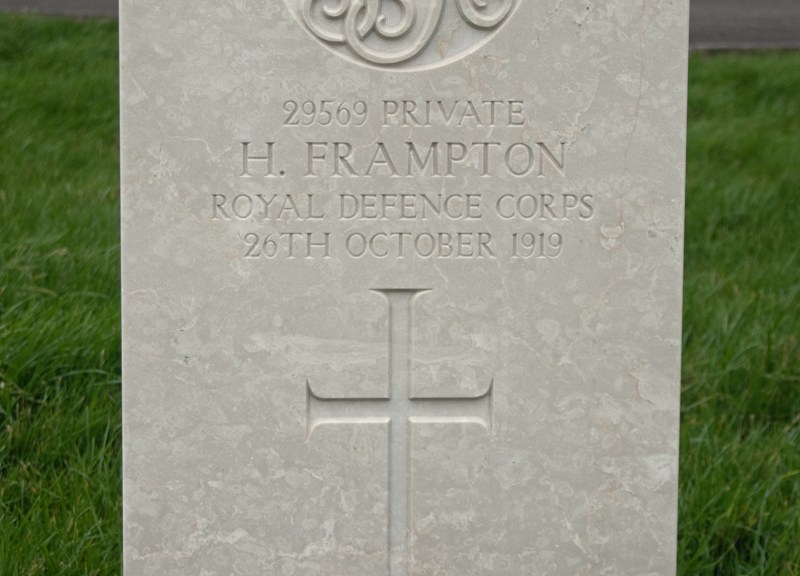
War broke out, and Harry was quick to enlist. Initially assigned to the Somerset Light Infantry in December 1914, Private Frampton was transferred to the Royal Defence Corps after two years’ service.
He was part of the army’s territorial force, and it seems likely that his transfer to the RDC may have been on medical grounds. He had been admitted to Castlemount Military Hospital (in Dover) a couple of times, suffering from “rheumatism and debility”.
Private Frampton’s later medical report stated that he was a frail man, with an accentuated heartbeat, which gave rise to fainting. He had no appetite and suffered from insomnia, and, according to the report, was “quite unfit to perform the duties of a soldier”.
Ultimately, this led to Harry being medically discharged from the army, and he was demobbed on 10th March 1917, after just over two years’ service.
Little is known about Harry after his discharge form the army. His pension record confirms that he passed away on 26th October 1919, having suffered from dyspepsia (indigestion) and debility. He was 37 years old.
Harry Frampton lies at rest in the St John’s Cemetery in his home town of Bridgwater, Somerset.
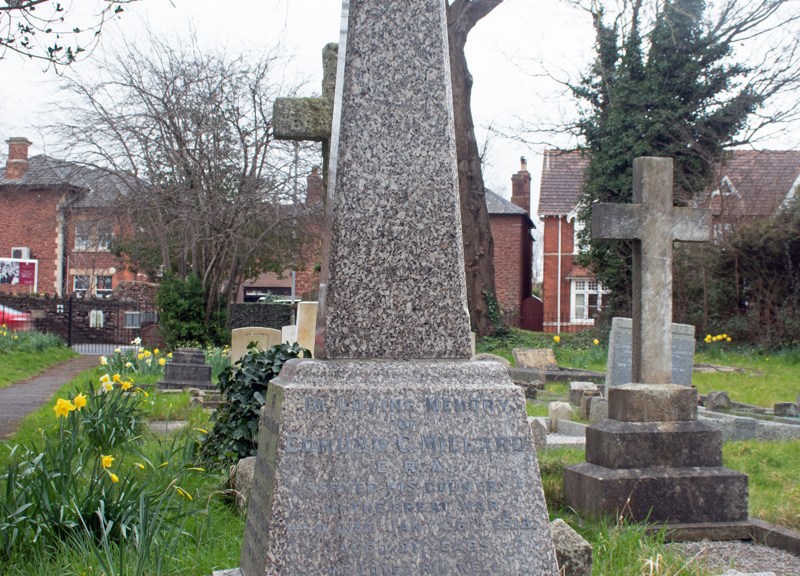
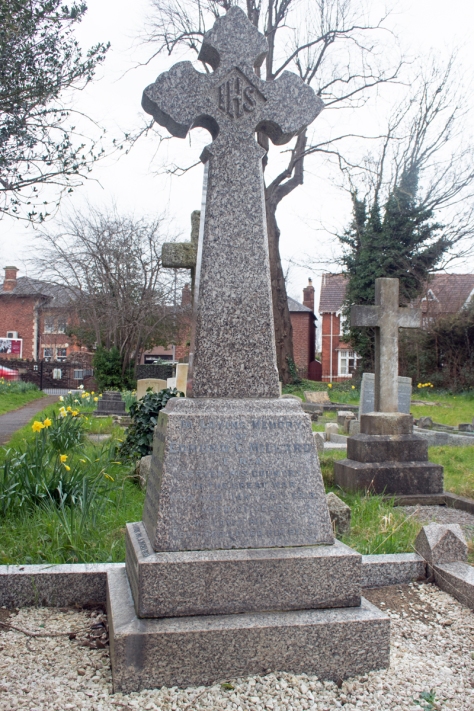
George Edmund Millard was born in 1887, one of seven children to Edmund and Annie Millard, from Bridgwater, Somerset. Edmund was an engineer by trade, something George’s elder brother followed him into.
Sadly, little of George’s life remains documented. He enlisted in the Royal Navy, in January 1915, working as an Engine Room Artificer (or engineer). Stationed in Kent, his initial training was at HMS Pembroke II base on the Isle of Sheppey.
Artificer Millard spent nine months on HMS Dido, which formed part of the Royal Navy’s force based in Harwich. At start of 1916, he was transferred back to HMS Pembroke II. This may have been for health reasons, as he was subsequently discharged with tuberculosis in April.
George’s records finish there, and it is likely that he succumbed to his lung condition after an 18-month fight. He died at home in Bridgwater on 26th January 1918, aged 21 years old.
George Edmund Millard lies at rest in the family grave at the Wembdon Road Cemetery in his home town of Bridgwater.
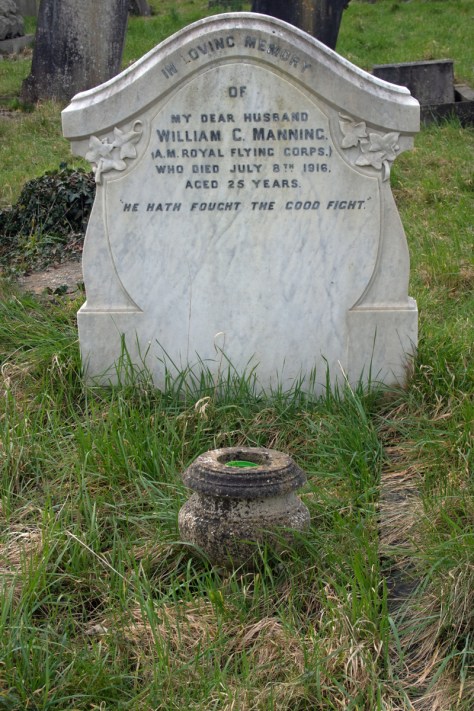
William Charles Manning – known as Willie – was born in Bridgwater in 1890, one of ten children to Samuel and Emily Manning. Samuel was a cabinet maker, and at least of three of his sons, Willie included, went into the family business.
There is little information available on Willie’s life, but he married Nellie Dodden, also from Bridgwater, in November 1915. Sadly, this was around the time that Nellie’s father passed away; tragedy for Nellie was still close by.
Willie’s military records are minimal, although details of his passing can be determined from the subsequent newspaper report.
He had enlisted in the Royal Flying Corps around October 1915, certainly around the time he and Nellie married. He was an air mechanic, something his woodworking skills probably drew him to and was based at Manston Airfield in Kent.
On 8th July 1916, Willie was a passenger in a flight piloted by Lieutenant Bidie. It seems that Bidie was turning the plane while at low altitude, while attempting to land. The plane crashed, and both Bidie and Willie were killed. Air Mechanic Manning was just 25 years old.
William Charles Manning lies at rest in the Wembdon Road Cemetery in his home town of Bridgwater, Somerset.
Edward Lionel Gane was born in 1899 and was one of eight children. Known as Lionel, he was the son of Edwin and Joanna Gane, and lived in the quiet Somerset village of Ditcheat. Edwin began life as a pig dealer, but by the time of the 1911 census, had changed direction and become an insurance agent.
Joanna passed away in 1915, and this may have been the impetus Lionel needed to find his way in the world. He enlisted in the Wiltshire Regiment, joining the 3rd (Reserve) Battalion of the Duke of Edinburgh’s brigade.
The battalion – a depot and training unit – were initially based in Devizes, before moving to Dorset and then Kent. While there is no confirmation of when Private Gane enlisted, it would have been by September 1917, which is when the battalion became part of the Thames & Medway Garrison.
The end of the war marked another ending for the Gane family. Edwin passed away on Armistice Day – 11th November – and further tragedy was to follow, as Private Gane contracted influenza and died less than two weeks later.
Edward Lionel Gane died in a military hospital in Malling, Kent, on 24th November 1918. He was just 19 years old. He lies at rest in the graveyard of St Mary’s Church in his home village of Ditcheat.
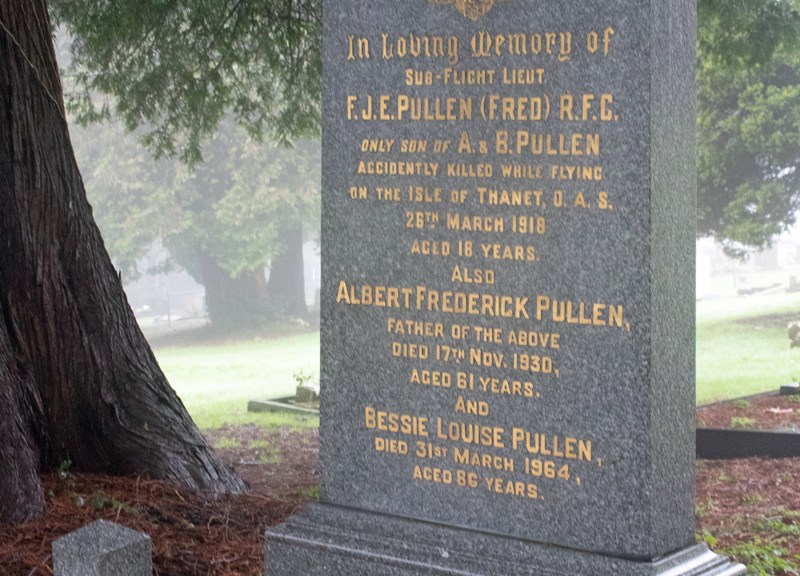
Frederick John Edward Pullen was born in May 1899, the only son to Albert and Bessie Pullen from Shepton Mallet in Somerset. Albert worked at the local prison, acting as clerk, warden and school master to the inmates.
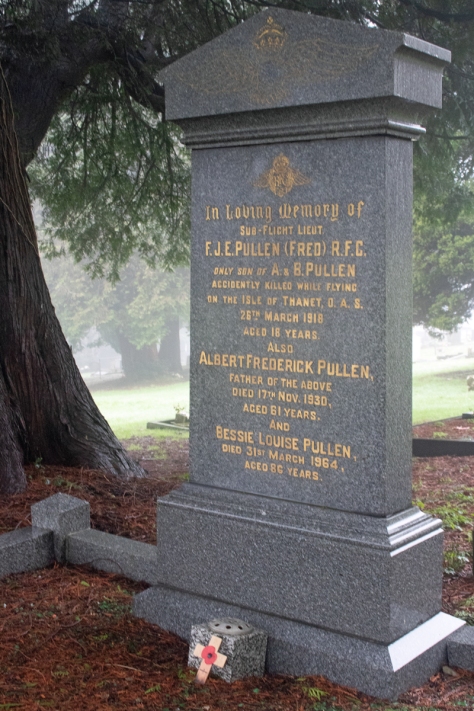
Little else survives to expand on Fred’s military life; his gravestone confirms that he had enlisted in the Royal Flying Corps and, although no date can be attributed to this, it is likely to have been almost as soon as he turned 17.
A report of the young man’s funeral does give a little insight into the young man.
…before entering the service of his country, Lieutenant Pullen was in the Civil Service, and a letter from his late surveyor at Oxford, speaks in high terms of his character and abilities.
He graduated to the rank of Service Pilot in February last, and was gazetted in March. By the Naval authorities he was considered a very good pilot, and was graded as Class A (exemplary).
Shepton Mallet Journal: Friday 5th April 1918
Alongside the Edwardian trait of listing the chief mourners and floral tributes, the newspaper also gives an in-depth report of the cause of Second Lieutenant Pullen’s demise.
The brave young office, who was at a war school [Manston Airfield, Kent], was engaged in ‘stunting’ or trick flying, absolutely necessary in warfare, when from some unknown cause, he fell into a field, and was instantly killed.
A farmer who was ploughing near the spot said he was not conscious of the presence of an aeroplane in the vicinity till this one seemed to drop from the clouds. It nose-dived, but righted on coming near the earth, and seemed to swoop up again, but before going far turned turtle and fell, upside down.
The poor lad was found crushed beneath his gun, and had met instantaneous death. Letters received from witnesses of the accident stated that people living in the neighbourhood hurried to the spot with remedies of all sorts, and were much saddened to find that nothing that they could do was of any avail.
Shepton Mallet Journal: Friday 5th April 1918
Second Lieutenant Pullen met his death in a flying accident on 26th March 1918. He was just 18 years old.
Frederick John Edward Pullen lies at rest in the cemetery of his home town of Shepton Mallet.
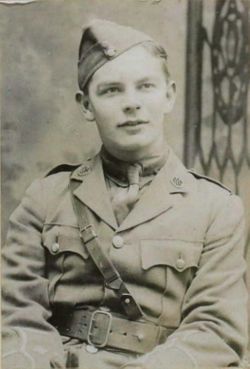
Second Lieutenant Fred Pullen (courtesy of findagrave.com)
Harry George King was born in Somerset in December 1894, one of nine children to John and Sarah King. John worked as a cabinet maker in Wells, and Harry followed in a similar vein to his father, becoming an upholsterer.
When war broke out, Harry – who stood at 5’3″ (1.6m) tall – enlisted in the Royal Navy as a Cook’s Mate. He trained on HMS Victory I in Portsmouth, before transferring to the HMV Vernon, a land-based ship, also in Portsmouth.
While on leave in 1917, Harry married Alice Trickey, who had also been born in Wells.
Harry’s first sea-going assignment was on the HMS Hermione, which was a guard ship off the Southampton coast. After two years on board, Cook’s Mate King was transferred to another vessel.
The HMS Glatton was a monitor vessel requisitioned by the Royal Navy from the Norwegian fleet at the outbreak of the First World War. After a lengthy refit, she was finally ready for service in the autumn of 1918, and positioned in Dover in preparation for a future offensive across the Channel.
At 6:15 on the evening of 16 September, there was a small explosion in a 6-inch magazine below decks, which then ignited the cordite stored there. Flames shot through the roof of one of the turrets and started to spread. The fire was not able to be brought under control, and there were concerns that, if the ship’s rear magazine exploded, the presence of the ammunition ship Gransha only 150 yards (140 m) away risked a massive explosion that would devastate Dover itself. The decision was taken to torpedo the Glatton, in the hope that the incoming flood water would quash the fire.
In the event, sixty men aboard the Glatton were killed outright, with another 124 men injured, of whom 19 died later of their injuries. This included Cook’s Mate King.
While the incident wasn’t reported in the media of the time, Harry’s funeral was; it gives a little more insight into the tragedy.
News reached Wells… that 1st Class Cook’s Mate Harry George King… was lying in a hospital at Dover suffering from severe burns caused through an internal explosion on the ship on which he was serving. His wife (…to whom he was married 12 months ago) and his sister at once proceeded to the hospital, where they arrived only a few minutes before he died.
The unfortunate young man had sustained shocking injuries and was conscious for only two hours on Friday. He lost all his belongings in the explosion.
Wells Journal: Friday 27th September 1918.
Harry George King was only 27 years old when he died. He lies at rest in Wells Cemetery, Somerset.
Harry’s widow, Alice, did not remarry; the couple had not had any children, and she passed away in their home town of Wells, in January 1974.












 Death and Service