Arthur Ernest Catchpole was born in the spring of 1874 in the Suffolk village of Aldringham. The seventh of eight children, and the youngest of two boys, his parents were Joseph and Sarah Catchpole.
Joseph was employed as a gas fitter and, by the time of the 1881 census, had moved the family to Croydon, Surrey, presumably for work. The document recorded the family as living at 8 Cecil Terrace, a small cottage to the north-west of the town centre.
It seems that Arthur sought a way out as early as he could. The next census he appears on is from 1901, and this gives his profession as a Private in the King’s Royal Rifle Corps. Intriguingly, there is a record for a solder from Suffolk by his name, who was imprisoned in Dumfries in 1891. There are no other documents relating to the offence, but, as Arthur is absent from that year’s census, a link seems possible.
The 1901 census recorded Arthur – who was now known by his middle name – as living in the village of Speldhurst, between Tonbridge and Tunbridge Wells, in Kent. It also confirms that he was married, he and local woman Ellen Hoadley having exchanged vows in the summer of 1896. The would go on to have ten children between 1896 and 1916, all of them boys.
By the time of the next census return, the Catchpole family had moved back to Surrey, and were living in a small cottage at 12 Paxton Place, West Norwood. Ernest was now working as a domestic gardener, with Ellen left to raise their then seven sons.
When war came to Europe in the summer of 1914, it is likely that Ernest stepped up to play his part. Full details of his time in the army have been lost to time, but he was medically discharged from service on 10th February 1916. Arthur (his military documents reverting to his first name) had contracted tuberculosis, and was suffering from chronic myocarditis, and, as a result, was deemed unfit to remain a soldier.
At this point, Arthur’s trail goes cold. It seems likely that he returned home, with a later document noting the family’s residence as 4A Durban Road, a ground-floor flat in a Victorian terrace house.
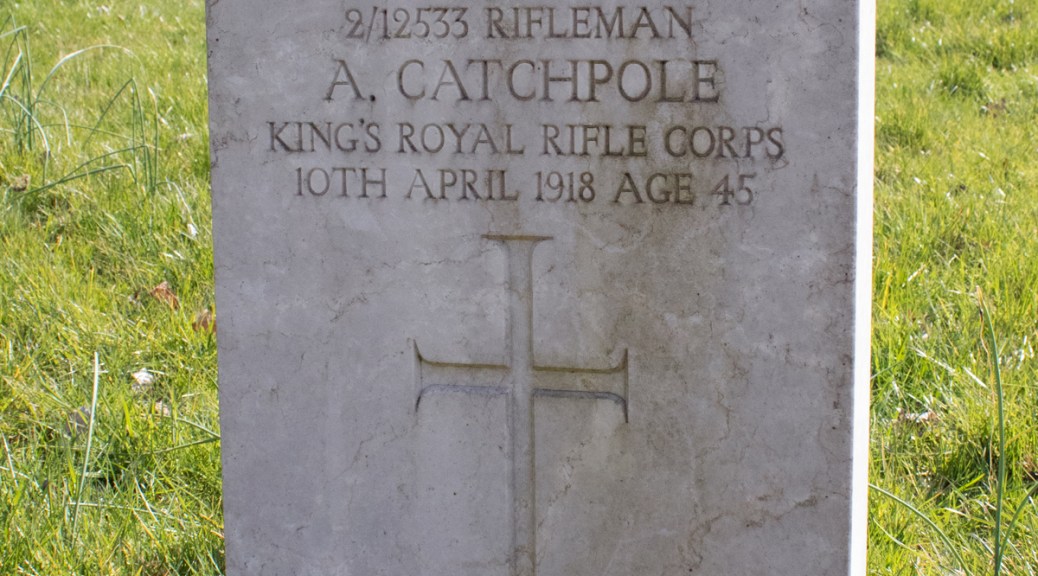
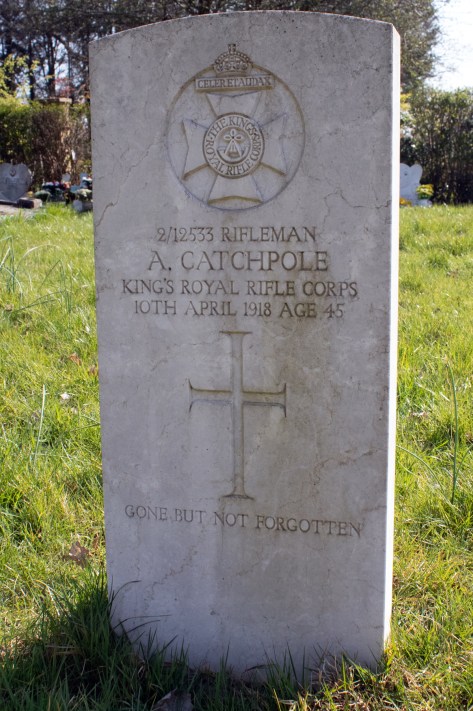
It seems likely that Arthur’s health caught up with him. He passed away on 10th April 1918: he was 44 years of age. His widow posted a note in the local newspaper: “In loving memory of Ernest Arthur Catchpole, late of KRR, the beloved husband of Ellen Catchpole, who fell asleep on 10th April, 1918.” [Norwood Press and Dulwich Advertiser: Saturday 20th April 1918]
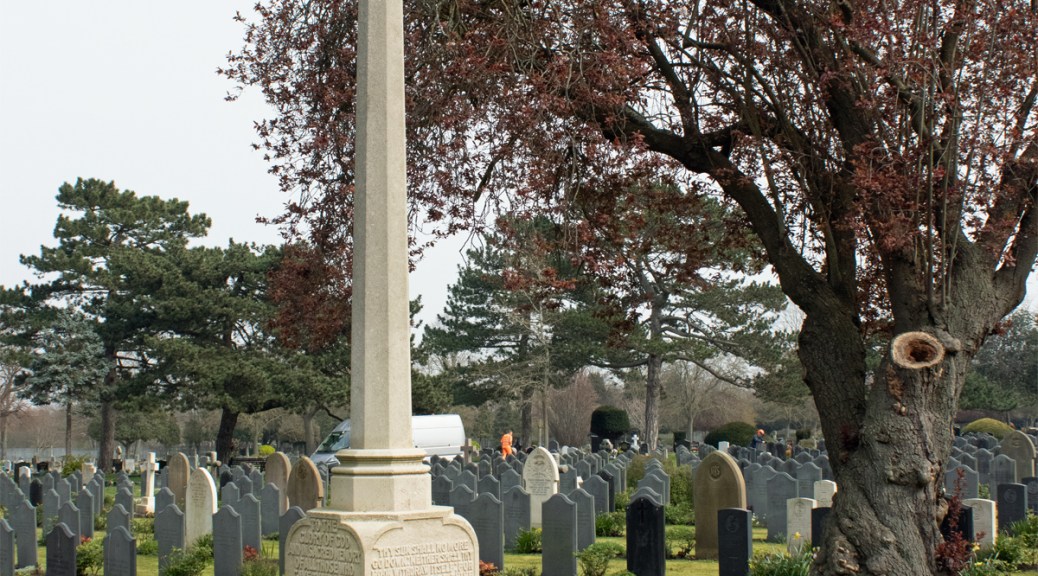
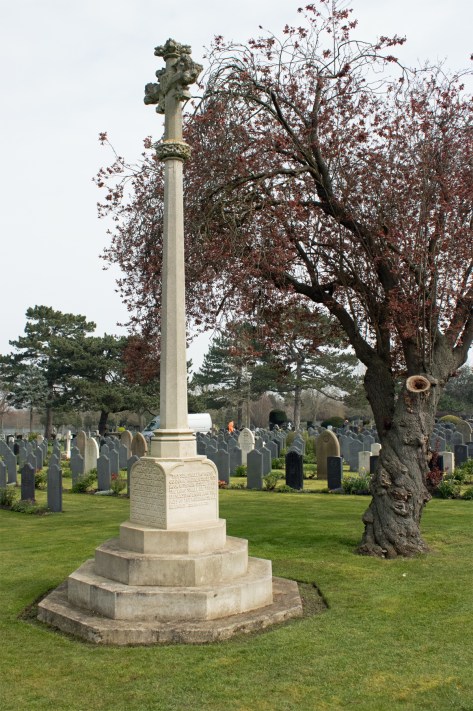
The body of Arthur Ernest Catchpole was laid to rest in the sweeping Streatham Park Cemetery, a short distance from his grieving family.