Category Archives: Role

Colour Serjeant Major Frederick Davis

Colour Serjeant Major Frederick Davis

Frederick Davis was born in Street, near Glastonbury, in February 1876. One of four children, his parents were Frank and Ann. Frank was an agricultural labourer, while Ann worked as a shoe binder in the local Clark’s Factory.

By the 1891 census, Frederick had left school, and had also left home, boarding with a farmer in nearby Walton, where he also worked as a labourer on the farm. Ten years later, he was living with his paternal grandmother and his older brother in the village, with both brothers working as labourers.

During this time, it seems that Frederick had his sights on bigger and better things. Full details are not available, although it appears that he enlisted in the Army and served in India and South Africa between at least 1897 and 1902. He was awarded the Distinguished Conduct Medal in 1902 for his actions, although again little information around this survives.

Confirmation of his service overseas at this time appears on Frederick’s later military service records as, in January 1909, he again enlisted in the army. Frederick’s 1909 records show that his next of kin was his wife, Mrs AL Davis, although no marriage documents are apparent. He is also recorded as living in Castle Cary, just to the south of Glastonbury.

This time he was assigned to the 4th Battalion of the Somerset Light Infantry, serving for five years on home soil. During this time, he rose through the ranks from Private to Lance Corporal to Corporal to Sergeant.

When war was declared, the 4th Battalion was sent out to India. Sergeant Davis spent the next eighteen months there, before being moved to the Persian Gulf. He was obviously well thought of as, with the move came a further promotion, this time to Company Sergeant Major.

In June 1917, Frederick returned to England from overseas, and, at the end of his term of service two months later, he was demobbed. He returned home to Somerset, but, within a couple of months, on 2nd October 1917, he passed away. The cause of his death is not recorded, but he was 42 years of age.

Frederick Davis was laid to rest in the peaceful surrounds of the Castle Cary Cemetery.


Air Mechanic Walter Naish

Air Mechanic Walter Naish

Walter Matthias Naish was born in the autumn of 1896, and was one of of five children to agricultural labourer Matthias Naish and his wife, Sarah Ann. Born in Lovington, near Castle Cary, Somerset, this is where the family is recorded as living for the 1901 and 1911 censuses.

When he left school, Walter found work as a cabinet maker; war was on the horizon, however, and he enlisted on 28th February 1916. He was immediately put on reserve, however, and was only mobilised in January 1917, when he was assigned to the Royal Flying Corps as an Air Mechanic.

Tragically, Walter’s military career was not to be a long one. He was admitted to the Connaught Hospital in Aldershot with conditions unknown, and passed away on 3rd March 1917, just 51 days after leaving home. He was just 20 years old.

Walter Matthias Naish’s body was brought back to Somerset for burial. He lies at rest in the Castle Cary Cemetery, not far from his home.


Private Wilfred Francis

Private Wilfred Francis

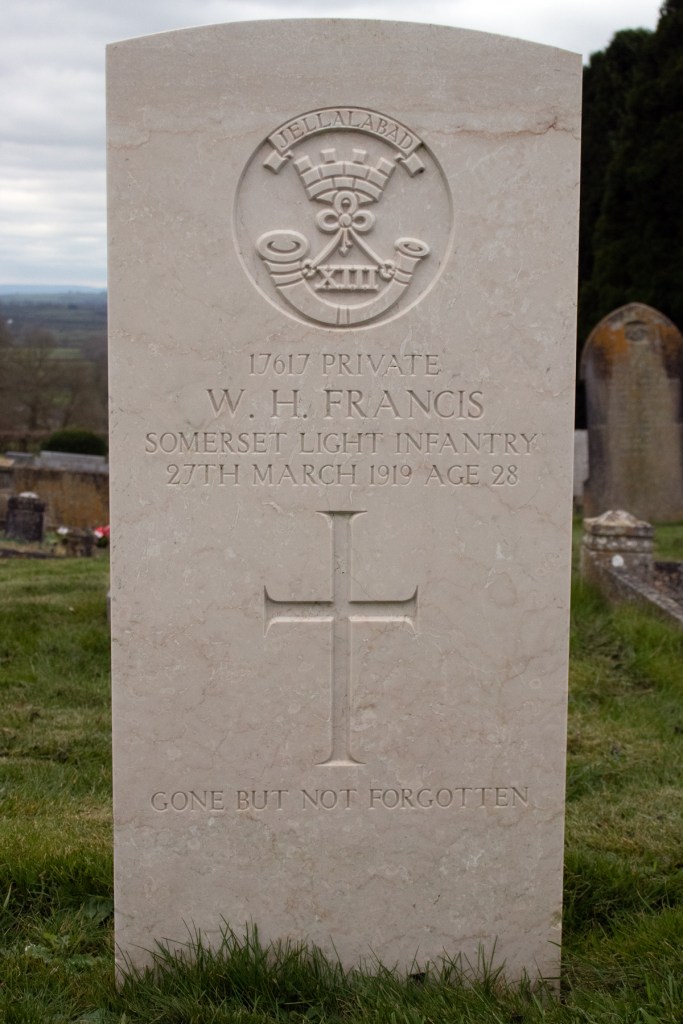
Wilfred Harry Francis was born in October 1890 in Castle Cary. He was the oldest of eight children to Edward and Rosina Francis, both of whom had also been born in the Somerset Town. Edward was a baker in his younger days, but, by the 1911 census he was employed as a builder’s labourer. Wilfred was recorded in the same document as a tailor.

War was coming to Europe, and Wilfred enlisted. He had been a volunteer in the Somerset Light Infantry, but on 6th April 1915, he made this a formal role. His service records show that he stood 5ft 6ins (1.68m) tall had light blue eyes and light brown hair.

Private Francis was assigned to the 6th Battalion and sent to France in the summer of 1915. His battalion was immediately thrown into the thick of the fighting at Ypres. The intensity of the battles of Hooge and Bellewaarde seemed to impact Wilfred as, on 7th October, he was admitted to the 4th London General Hospital, suffering from shell shock.

Wilfred was discharged after two weeks, and signed off as fit for light duties. It seems that he didn’t return to the Western Front, but instead was transferred to the 3rd (Reserve) Battalion of the regiment, based in Devonport.

The memories still seemed to haunt Private Francis, however. He was admitted to hospital again – this time the County of Middlesex Hospital in Napsbury, near St Albans – with mania. This time his ‘mental deficiency’ proved to much for the army, and he was discharged from military service on 18th July 1916. His discharge papers show that he gave the hospital as his address and recommended that he be admitted to a civil asylum.

Wilfred’s trail goes cold for the next few years. He seems to have been brought back to Somerset for ongoing treatment, but passed away in Wells on 27th March 1919; the cause of his passing is not known. He was 28 years of age.

Wilfred Harry Francis was laid to rest in the Castle Cary Cemetery, hopefully finding peace at last.


Private Edward Foster

Private Edward Foster

Edward Foster was born in the spring of 1887, one of eight children to Alfred and Eliza. Alfred was an agricultural labourer, born and bred in North Newton, Somerset, and this is where he raised his family.

When he left school, Edward found work in the village as a basket maker, and this is a trade he continued in until war broke out. He enlisted early on, and was assigned to the Somerset Light Infantry as a Private.

His battalion was shipped to India in October 1914, but records are sparse, and it is not clear whether Private Foster also set sail. All that can be confirmed is that he was at home on 21st December 1914, as this is where he sadly passed away from heart failure. He was just 27 years of age.

Edward Foster was laid to rest in the graveyard of St Peter’s Church in his home village, North Newton.


Private Oliver Parsons

Private Oliver Parsons

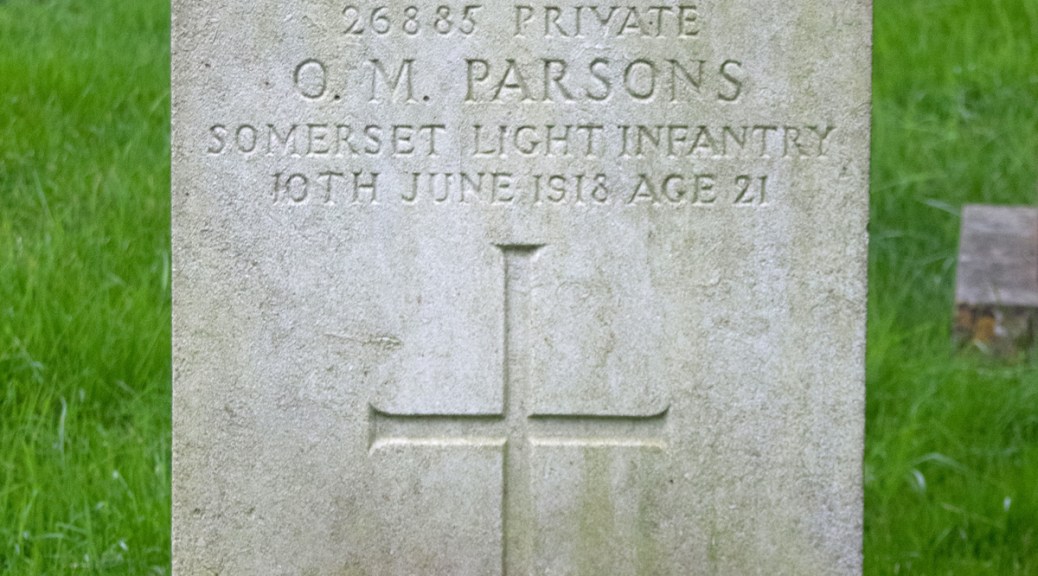
Oliver Metford Parsons was born in North Newton, Somerset, on 3rd January 1897. His parents were Thomas and Lily Parsons, and he was one of four children.

Thomas was a carter and labourer on a farm, and this is the trade his son took up when he left school. The 1911 census recorded Oliver as living with the market gardener Edmund Durridge and his family – who lived in the same village – and working as a labourer for them.

Lily had passed away in 1907, so this move may have had something to do with a change in family circumstances – the 1911 census recorded Thomas living in the village with Hannah Parsons, having been married for just a year.

When war came to Europe, Oliver was keen to play his part for King and Country. While full service records are not available, documents confirm that he enlisted in the Somerset Light Infantry in the spring of 1917. Private Parsons was assigned to the 7th (Service) Battalion and soon found himself on the Front Line.

While it is not possible to pinpoint exactly where Oliver fought, his battalion fought at the Third Battle of Ypres and, in April 1918 moved to Amiens.

It was in June 1918 that Private Parsons was caught up in a gas attack. He was injured and medically evacuated to England for treatment, where he was admitted to the Ipswich Hospital in Suffolk. Sadly, his injuries proved too severe, and he passed away at the hospital on 10th June 1918. He was just 21 years of age.

Oliver Metford Parsons’ body was brought back to his Somerset home. He was laid to rest in the graveyard of St Peter’s Church in North Newton.


Private Oliver Parsons
(from ancestry.com)

Private George Franklin

Private George Franklin

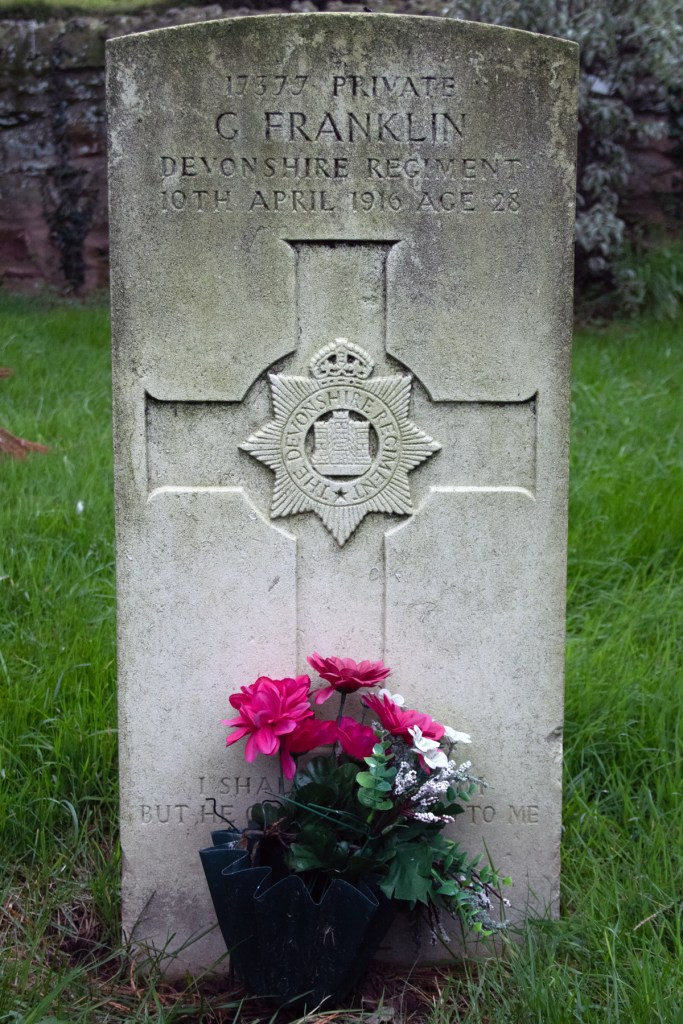
George Franklin was born in the autumn of 1887, one of eleven children to James and Eliza. James was a farm labourer from North Newton, Somerset, and this is where the young family were raised. Given the rural location, it is no surprise that, when he left school, George followed his father and became an agricultural labourer.

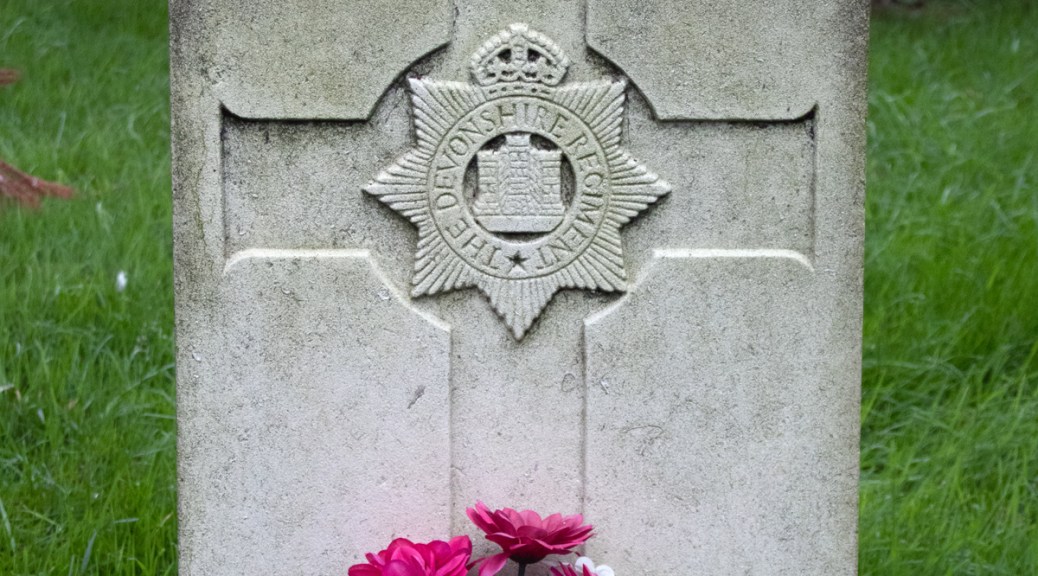
When war came to Europe, George was keen to play his part. Full details of his military service are not available, but he enlisted in the Devonshire Regiment as a Private. Little information is available about his role or where he was posted, and, sadly, the next set of documents relate to his passing.

Private George Franklin died on 10th April 1916, having been suffering from cerebro-spinal fever – meningitis. He was just 28 years of age. He was laid to rest in the graveyard of his village church, St Peter’s in North Newton.


Private Cuthbert Collard

Private Cuthbert Collard

Cuthbert William George Collard was born in the spring of 1899, one of nine children to William and Eliza Collard. William was an agricultural labourer from North Newton in Somerset, and this is where he and Eliza raised their family. While probably helping his father out as a child, Cuthbert found work at the local blacksmith’s when he left school.

Cuthbert was barely fifteen when war broke out in Europe, and so had to wait until April 1917 before he was of age to enlist. He joined the Devonshire Regiment, and his service records show that he was 5ft 2ins (1.57m) tall, had black hair, brown eyes and a pale complexion.

Assigned to the 4th (Reserve) Battalion, Private Collard served his time on home soil. While full details are not available, it appears that he contracted tuberculosis during his training. This was serious enough for treatment in a sanatorium to be recommended, and he was medically discharged from military service because of the lung condition on 9th January 1918. He had been in the army for just 280 days.

At this point, Cuthbert’s trail goes cold. Whether he was admitted for medical treatment is unclear, but it appears that he returned to North Newton. He passed away on 19th June 1919 at the family home, aged just 20 years old.

Cuthbert William George Collard was laid to rest in the graveyard of the village church, St Peter’s.


Private John Lake

Private John Lake

John Walker Lake was born in Eastbourne, East Sussex, in the spring of 1892, the only child of estate manager and auctioneer Percy Lake and his wife Elizabeth.

John’s mother passed away in 1900, when he was only eight years old, and details of his early life are hard to come by. However, by the time of the 1911 census, he had left school and enrolled in a mining college in Guston, near Dover, Kent.

When war broke out, John was quick to enlist. He joined the London Regiment on 18th September 1914, and was assigned to the 2nd/23rd Battalion. His service records show that he stood 5ft 8ins (1.72m) tall, had light hair, blue eyes and a fair complexion.

Private Lake was not to remain in the army for long. Within weeks of joining, he contracted tuberculosis and, on 22nd February 1915, after just 158 days, he was discharged from service as being no longer medically fit for duty.

At this point, John’s trail goes cold. He initially returned to live with his father in Eastbourne. By the autumn of 1918, however, he was in Weston-super-Mare, Somerset, probably for health reasons.

The tuberculosis got the better of John Walker Lake, however; he passed away on 20th October 1918, at the age of 26 years old. He was laid to rest in the Milton Road Cemetery in Weston-super-Mare.


Captain John Jackson-Barstow

Captain John Jackson-Barstow

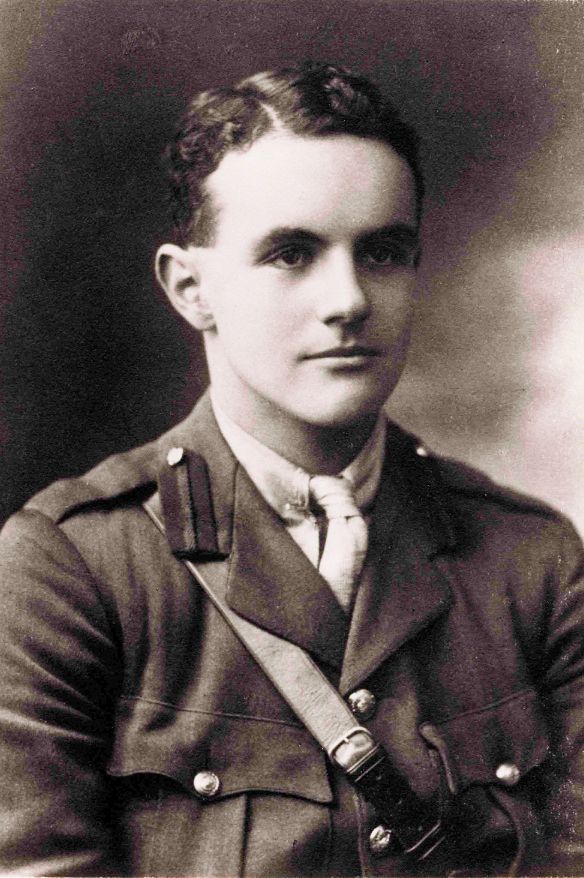
John Eric Jackson-Barstow was born on 10th August 1895, and was one of seven children – and the only boy – to John and Mary Jackson-Barstow. John Sr was a Justice of the Peace from Yorkshire, who had moved his family to Somerset in the early 1890s; this is where John Jr and his sisters were born.

When war broke out, John Jr enlisted as a Trooper in the North Somerset Yeomanry and, by the autumn of 1914, he was moved to France.

On the outskirts of Ypres, his regiment were involved in a prolonged attack by German forces and Trooper Jackson-Barstow was injured. Medically evacuated to England, he received a commission and was given the role of aide-de-camp to a general based on the East Coast.

In 1917, Captain Jackson-Barstow transferred to the Royal Flying Corps – later moving to the newly-formed Royal Air Force. Over the following months, he regularly flew sorties across France and did extensive piloting in English skies.

Captain Jackson-Barstow continued in his role when the Armistice was signed. On 27th January 1919, he was flying in Surrey; it was snowing heavily, which limited what he could see. Flying low, he crashed into a hill near Oxted, and was killed instantly. He was just 23 years of age.

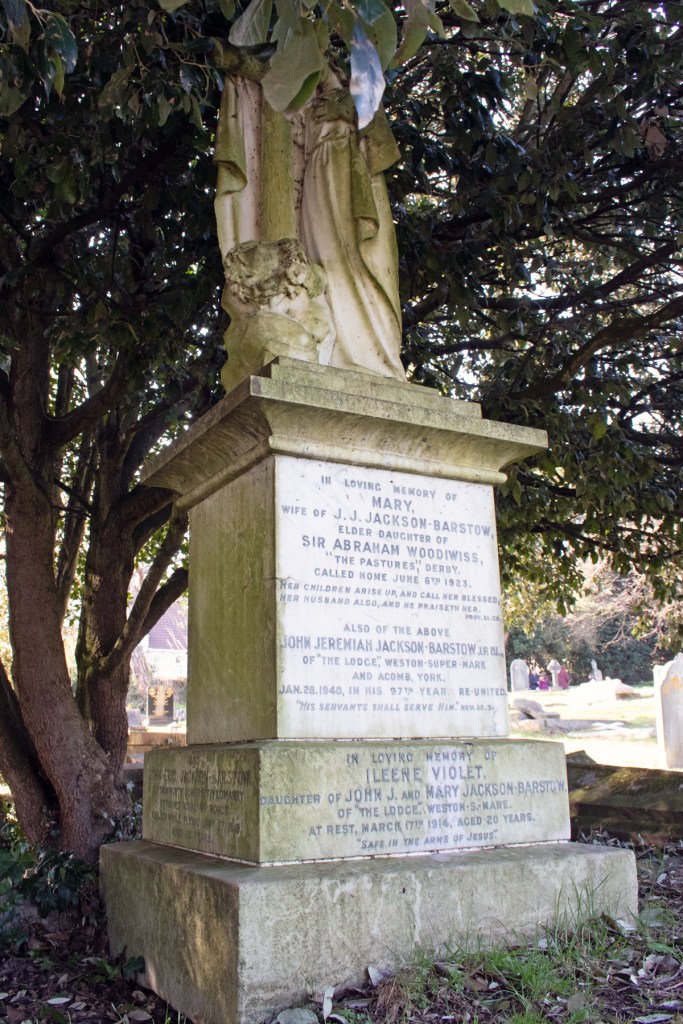
John Eric Jackson-Barstow’s body was brought back to Somerset; he was laid to rest in the family grave in the Milton Road Cemetery in Weston-super-Mare.


Captain John Jackson-Barstow
(from findagrave.com)

Lieutenant Cecil Pearse

Lieutenant Cecil Pearse

Cecil George Lunell Pearse was born in the spring of 1883, one of seven children to George and Elizabeth Pearse. George was a schoolmaster from Devon, who moved the family to Weston-super-Mare in Somerset in the the 1870s to take up a post at the National School in the centre of the town.

Cecil and at least two of his siblings also went on to become teachers. By the time of the 1911 census, he was living in Plumstead, South East London, with his brother and sister-in-law, and teaching locally.

War was about to descend on Europe, and it is at this point that Cecil’s trail begins to go cold. He enlisted in the Royal Field Artillery, serving as part of the 8th London Howitzer Brigade. During his time, he rose to the rank of Lieutenant, and it seems that he remained part of the Territorial Force, but there is little more information available about his time in the army.

Nor is there much detail around Lieutenant Pearse’s death. He passed away on 20th October 1918, at the age of 35 years old, through causes unrecorded.

Cecil George Lunell Pearse was laid to rest in the Milton Road Cemetery in Weston-super-Mare, the town of his birth.