Tag Archives: India

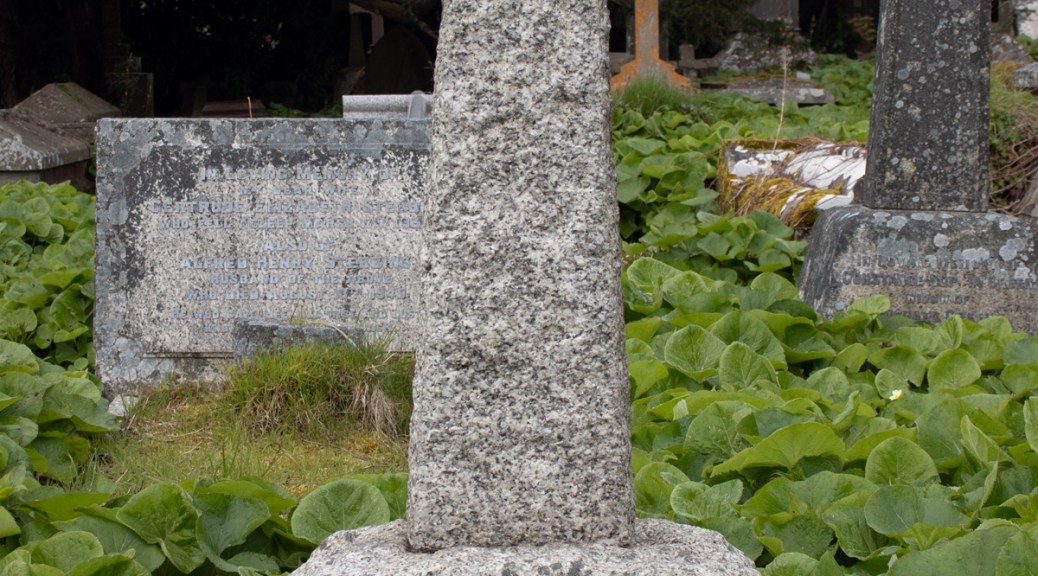
Private Walter Lane

Private Walter Lane

Walter Frederick Lane was born in Sidcup, Kent, in the early part of 1893. The younger of two children, his parents were Frederick and Caroline Lane. Frederick was a carman and the transient nature of his work meant that the family moved on a regular basis.

The 1901 census found them in Eltham, Kent, while ten years later the family of three – Walter’s older sister having moved on – were boarding in Harton Street, Deptford. By this point, Walter was 17 years of age, and he was also working as a carman. (It is interesting to note that the earlier census recorded Walter’s parents by their first names, while the 1911 document used their middle names – Walter and Kate: transient work allowing for reinvention, perhaps?)

Walter sought a more permanent career, and, on 17th March 1913, he enlisted in the army. Full details of his military career have been lost to time and, in fact, most of his service details come from his discharge papers.

Walter enlisted in the Queen’s Own (Royal West Kent Regiment), although, as Private Lane, he was not formally mobilised until March 1914. When war broke out, his battalion, the 1st/5th, was sent to India, and he remained there for the duration of the war.

Private Lane’s time in the army was not without incident. He contracted malaria in 1915, and while he initially recovered, the condition was to continue to dog him over the following years.

By 1917 Walter’s troop was based in Jabalpur, Madhya Pradesh, but in December that year, the battalion set sail from Bombay for Basra, Mesopotamia.

While in Iraq, he had a couple of run-ins with his superiors. On 22nd December 1917 he was stopped a week’s pay for ‘disobeying an order: putting his equipment on a transport waggon’ and ‘losing by neglect his equipment.’ On 18th February 1918, a further 28 days’ pay was deducted for ‘making away with regimental necessaries (1 towel)’ and ‘neglecting to obey an order.’

During this time, though, Walter’s health was regularly impacted when malaria caught up with him. His discharge documents recorded that he had an attack about once a month, which lasted four or five days each time. In the end, he was released from active service, and left the army on 19th February 1919.

Walter had been discharged while admitted to the Dispersal Hospital in Brighton. His health did not improve, however, and he was soon moved to Somerset for respite care. It was here that he passed away on 7th August 1919. He was 26 years of age.

Walter Frederick Lane was laid to rest in the Holy Trinity Churchyard, Newton St Loe, Somerset.


My thanks go to Liz at the local parish office for her help in unpicking the details of Walter’s passing.

Thanks also go to Tim Hill, who has been researching the graves in the Newton St Loe churchyard.


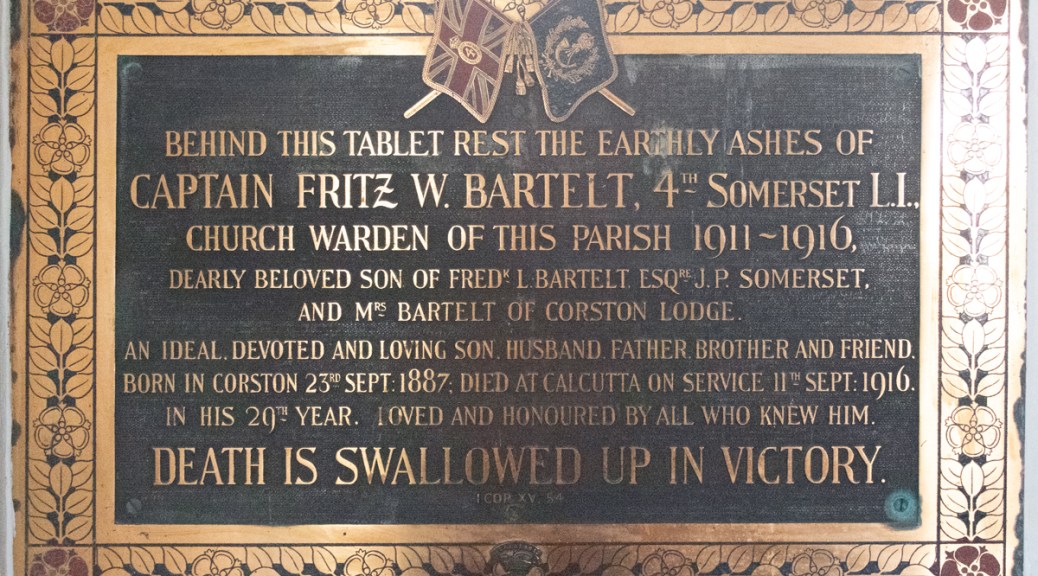
Captain Fritz Bartelt

Captain Fritz Bartelt

Friedrich Wilhelm Bartelt was born on 23rd September 1887 in the Somerset village of Corston. He was the younger of two children to Friedrich and Rosanna Bartelt. Born in Prussia, Friedrich Sr was an import and export merchant of oil and chemicals, who had become a magistrate and chemical manufacturer by the time of the 1901 census.

Friedrich Jr – who was also known as William or Fritz, to avoid confusion with his father – had the upbringing to be expected for the son of a prominent businessman.

He was educated first at St Christopher’s, Bath… and afterwards at Bath College, which he entered in September, 1900, and left in December, 1904. He was prominent in sport and as in the school Rugby Fifteen in 1903 and 1904, and a member of the Cricket Eleven in the summers of 1903 and 1904, and was in the second rowing four in 1904. He subsequently studied chemistry… at Bristol University College, and after a time he became a director in the company of which his father is chairman.

Somerset Guardian and Radstock Observer: Friday 15th September 1916

Fritz enlisted in the Somerset Light Infantry not long after finishing his studies, becoming a Lieutenant in H Company of the Volunteer Battalion, before taking command of G Company. Possibly because other pressures took priority, he stood down from his role in 1911.

On 2nd June 1910, Fritz had married Gertrude Isgar, a gentleman’s daughter from Bathwick, near Bath. The couple went on to have two children, both boys.

[Fritz] was a churchwarden of Corston, and always took a keen interest in all parochial matters, and his loss is very keenly felt in the village. Always kind and genial to all alike, he won the hearts of all with whom he came in contact. His readiness to help, his careful attention to the needs of those around him, and his kindly words and acts will dwell long in the memory of many in Corston.

Somerset Guardian and Radstock Observer: Friday 15th September 1916

When war was declared in 1914, Fritz stepped up to play his part, and was given the commission of Captain in the 2nd/4th Battalion of his old regiment, the Somerset Light Infantry.

On December 1, 1915, he sailed for India, when he took charge of his company, and was afterwards given an important post, being appointed in command of his station at Barrackpore [Barrackpur].

Somerset Guardian and Radstock Observer: Friday 15th September 1916

Captain Bartelt fell ill in the summer of 1916, and was admitted to a hospital in neighbouring Kolkata. While his condition is not reported on, he seemed to have been improving, but his health then took a downward turn, and he passed away while still admitted, on 11th September 1916. He was 28 years of age.

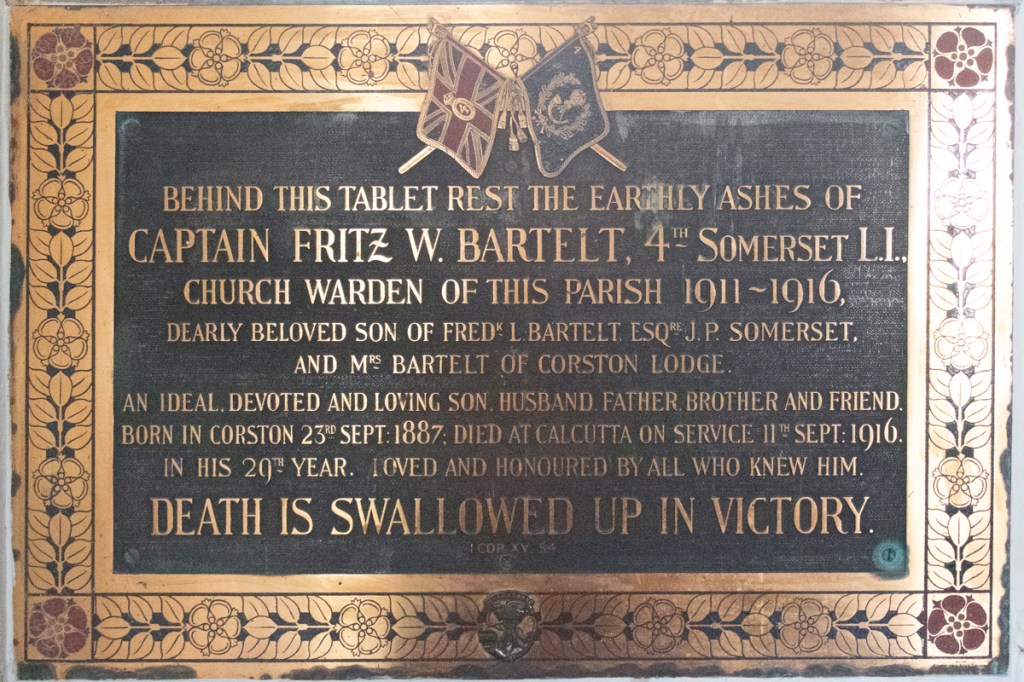
Fritz William Bartelt’s body was cremated in India. His ashes were returned to England, and were interred in All Saints’ Church in his home parish, Corston, where a plaque and a stained glass window are dedicated to his memory.


Captain Fritz Bartelt
(from ancestry.co.uk)

Driver Frederick Coombes

Driver Frederick Coombes

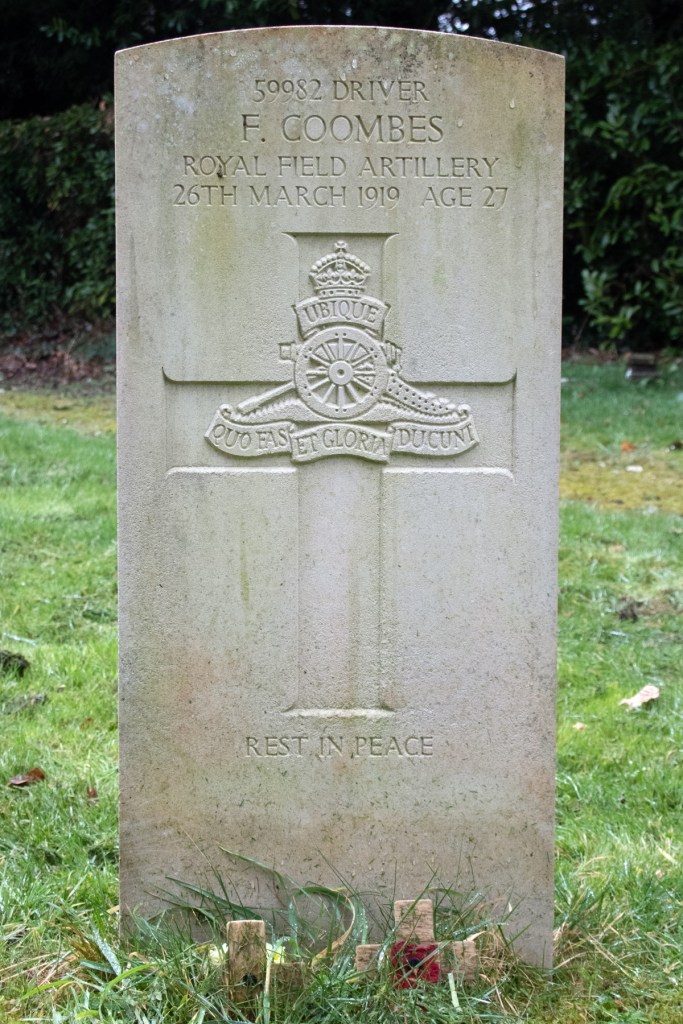
Frederick Walter Coombes was born in 5th July 1891 in Chard, Somerset. He was the oldest of eight children and his parents were mason’s labourer Walter Coombes and his wife, Sarah.

The family moved to nearby Crewkerne and, when he left school, Frederick found work as a weaver. He quickly realised, however, that he needed a career, and the the military could offer one. On 18th October 1909, he enlisted in the the Royal Field Artillery, signing up for three years with the regiment, followed by nine years on reserve.

Frederick’s service record confirms the man he had become. His medical examination gave his height as 5ft 6ins (1.68m) and his weight as 139lbs (63kg). He was noted as having brown hair, hazel eyes and a fresh complexion. He was also recorded as having a tattoo of a man’s head on the back of his right wrist and a small scar on his left hip.

After a year on home soil, Driver Coombes was sent to South Africa. He was to spend a little over two years in the country, the 1911 census recording him at the Roberts Heights Barracks in Transvaal, as part of the 98th Battery.

When his initial three year contract came to an end, Frederick was placed on reserve status and returned home. His trail goes cold for a couple of years, but when war was declared in 1914, he was immediately brought back into active service.

By the middle of August 1914, Driver Coombes was on the Western Front in France. Within a matter of weeks he was caught up in the Retreat from Mons, and was gassed in the process.

He soon recovered and, in December 1915 his troop was moved to Mesopotamia, modern-day Iraq. Within a month, Frederick fell ill again, having contracted malaria. He was treated at the base and, eventually remained in the Middle East for a year.

By December 1916 Frederick was on the move again, this time to India. His lungs had had a battering by this point, however, and he fell ill once more, this time having developed tuberculosis. Initially treated in India, by February 1917 he had been medically evacuated back to Britain. The condition was seen as unlikely to improve, and he was eventually discharged from the army as being no longer fit enough to serve.

Driver Coombes’ medical report confirmed that the condition was fully the result of his army service, and treatment at a sanatorium was recommended. His last day with the Royal Field Artillery was 7th May 1917: his career had lasted 7 years 202 days.

Again, Frederick’s trail goes cold at this point. It seems likely that he would have returned to Somerset and would possibly had been admitted to a medical facility for treatment and recuperation. The next record for him is that of his death, which happened at home on 26th March 1919. He was just 27 years of age.

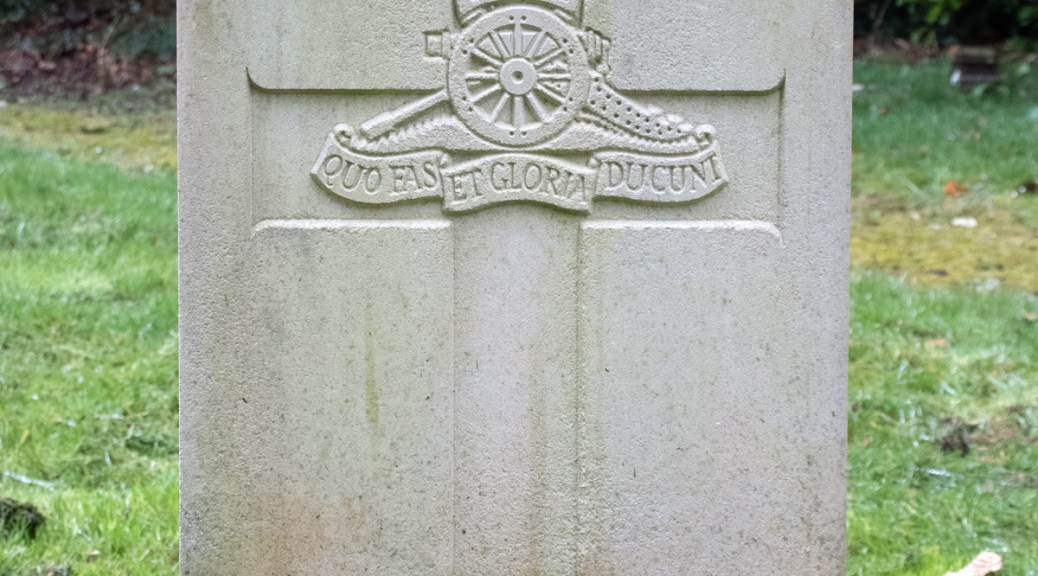
Frederick Walter Coombes was laid to rest in Crewkerne’s Townsend Cemetery.


Driver Frederick Coombes

Lance Corporal Alfred Sowden

Lance Corporal Alfred Sowden

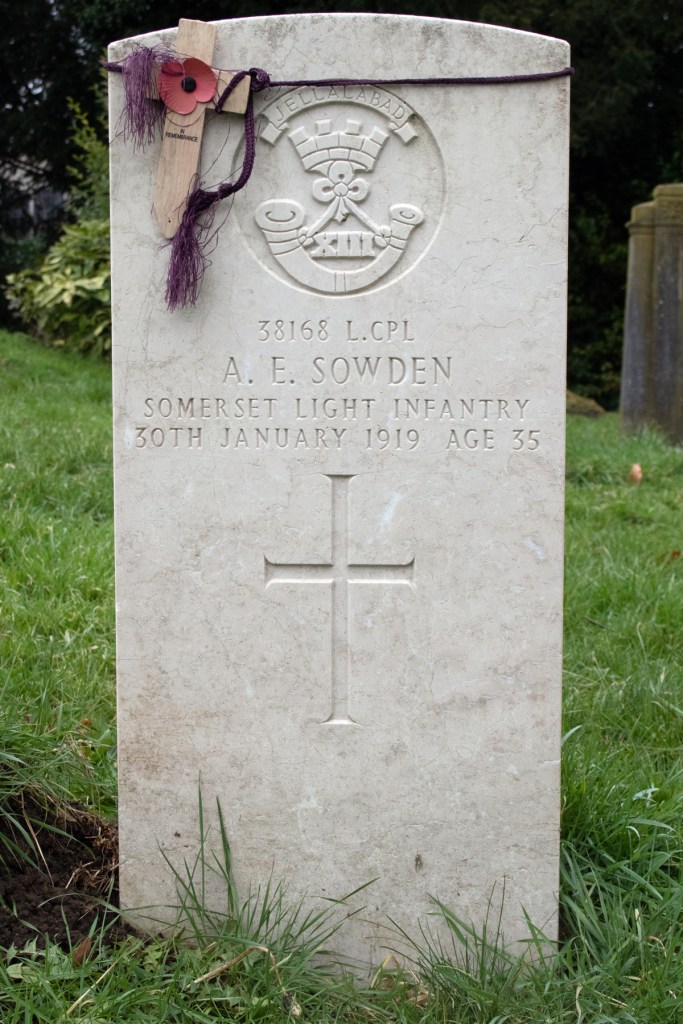
Alfred Edward Sowden was born in the autumn of 1883, in Bath, Somerset. He was the youngest of seven children to Robert and Mary Sowden. Robert had died by the time of the 1891 census, and Mary turned to charring to bring in money for the family.

In the summer of 1904, Alfred married Harriet Sumsion, a baker’s daughter also from Bath. The couple set up home in a small cottage on the main road to Bristol, and had a son, William, who was born the following year. Alfred was working as a house painter by this point, and the young family had a lodger, William Gabb, who was a local chef.

When war came to Britain’s shores, Alfred stepped up to play his part. He may have had some previous military experience, because he joined the Somerset Light Infantry as a Lance Corporal. Assigned to the 2nd/4th Battalion, by August 1915, he was on his way to India. His troop remained there for two years, before moving to Egypt in the autumn of 1917, then on to France the following June.

With the end of the conflict, the Empire’s forces were slowly demobbed. While he was waiting to be stood down, Lance Corporal Sowden fell ill. He developed influenza and septic pneumonia, and the combination was to prove fatal. He passed away on 30th January 1919, at the age of 35 years old.

Alfred Edward Sowden’s body was brought back to Bath for burial, where he was laid to rest in the city’s St James’ Cemetery.


Alfred’s widow had had a tragic few years. Her father, Walter, had passed away in February 1916, and her mother died just three months after Alfred.

Harriet never remarried after her husband’s passing. She remained in the family home for the rest of her life and, by the time of the 1939 Register, had a boarder, billiard marker James Jones. She was close to family, however, as her brother William lived just three doors away.

Harriet died in September 1941 at the age of just 56. She was laid to rest near her husband, reunited after 22 years.


Serjeant Major Frederick Pearce

Serjeant Major Frederick Pearce

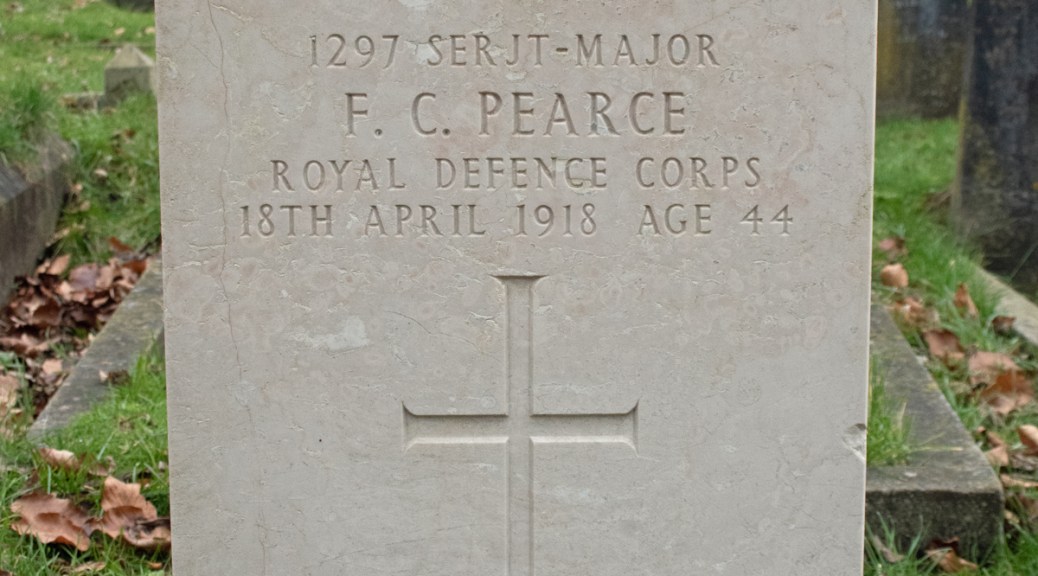
Frederick Charles Pearce was born in the spring of 1873 in the Gloucestershire town of Thornbury. The youngest of six children, his parents were Thomas and Elizabeth Pearce. Thomas was an agricultural labourer and, when he finished school, Frederick found work as a ‘rural messenger’.

This was only a step towards the career that Frederick sought, however, and on 12th July 1892, he enlisted in the Gloucestershire Regiment a a Private. His service records show that he was 5ft 5ins (1.65m) tall and weighed 128lbs (58kg). He was noted as having a fresh complexion, blue eyes and brown hair.

Private Pearce spent twelve years in the army, serving in Malta, Egypt, India and Ceylon (Sri Lanka). He had two stints in South Africa, including the 1899-1900 campaign, during which he was wounded in his chest in the battle at Farquhar’s Farm.

By the time he was discharged on 11th July 1904, he had risen through the ranks to Sergeant, his service records noting that his conduct had been “very good” (in capitals and underlined).

Thomas had died in 1896, and Frederick’s widowed brother William moved back in with his mother to help support her. Frederick also returned to Gloucestershire and, on 30th March 1905, he married Mary Rugman in the parish church in Olveston. The couple may have been childhood sweethearts, as the Pearces and Rugmans were Thornbury neighbours.

The marriage certificate noted Frederick as a groom, and it is likely that he was able to turn his hand to any role after his army career. The couple had a son Leslie, who was born in 1909, and, with the new responsibility of fatherhood, Frederick sought a more permanent career.

The 1911 census found the family living in Somerset, where Frederick was employed as a gardener at the Kingswood Reformatory School. This was a boarding school on an estate to the north of Bath, set in 57 acres of grounds, and again it seems likely that his military career stood him in good stead for such a prestigious role.

When war came to Europe, Frederick felt the pull of his military career once more. While his age did not compel it, on 20th November 1914, he re-enlisted in the Gloucester Regiment. He was enlisted with his previous rank, but within a year has been promoted to Acting Colour Sergeant.

In the spring of 1916, the Royal Defence Corps was formed, and, given his experience and age, Frederick was transferred across to the new regiment. Colour Sergeant Pearce was based in London and, over the next eighteen months served in four troops: 109, 149 and 150 Protection Companies and the 10th City of London Volunteers’ Regiment.

Frederick’s age and the demands of his role were beginning to take their toll by this point, and by the end of 1917, he had developed nephritis, or inflamed kidneys. The condition was severe enough to warrant his discharge from service, and the now Sergeant Major Pearce’s military career came to an end on 17th January 1918.

Frederick returned home to Bath, to the bosom of his family. He and Mary three children by this point, Violet and Freddie being two younger siblings to Leslie. Tragically for the Pearces, however, the family life was not to to last for long: Frederick’s condition was to get the better of him just three months later. He passed away on 18th April 1918, at the age of 44 years old.

Frederick Charles Pearce was laid to rest in St James’ Cemetery in Bath; a man of duty resting at last.


Tragedy was to strike again for poor Mary, when just six months later her youngest child, Freddie, also passed away. Details of his death are vague, but he was buried with his father, the two Fredericks reunited too soon.


Able Seaman William Green

Able Seaman William Green

William Charles Green was born on 27th December 1897, one of five children – and the only son – to William and Mary Green. The family’s backstory is a bit hard to decipher.

William Sr was born in the Bath Union Workhouse in 1869 and the only details of his parentage comes in his marriage certificate, which suggests that his father was also called William Green, who was deceased. The same document records the groom as being a miner, and that he and Mary were living in Widcombe, Bath.

The Greens do not appear on the 1901 census – or at least that census record for them is lost to time. The next census return, in 1911, does have the family recorded as living in three room in St George’s Place, Widcombe. This particular census was the first to put the onus on the resident to complete the form, and, in William Green Sr’s case, this has led to a handful of anomalies in the record.

William Sr notes his trade as “going out with commercial travellers and hotel work also”. He confirms that he was “Somerset-born”, but suggests that Mary was born in “South Wells” (a spelling error, which should be South Wales), even though her birth and marriage certificate confirm she came from Bath.

The Greens certainly spent some time in Wales – their eldest daughter was born in Merthyr Tydfil, while William Sr was working as a miner there. By the time of William Jr’s birth, however, the family seem to have returned to England – he is recorded as coming from Bath.

William was 13 years old at the time of the 1911 census, and still at school. When he left education, he found work at a fishmonger, but with war closing in on Europe by this point, he was keen to serve his King and Country.

On 7th May 1915, William enlisted in the Royal Navy and, as he was just under age, he was given the rank of Boy 2nd Class. His service records note that he was 5ft 1in (1.55m) tall, with brown hair, blue eyes and a fresh complexion. Intriguingly the records give the place of his birth as Aberdare, Glamorganshire, but whether it is this document or the 1911 census that is incorrect is impossible to confirm.

Boy Green was initially sent to HMS Impregnable, the training establishment based in Devonport, Devon. He spent four months there and, on the day he was promoted to Boy 1st Class, he was assigned to HMS Defiance, the navy’s Torpedo School, off the Plymouth coast. In October 1915 he was assigned to HMS Fox, and remained on board for the next three years.

Fox was a cruiser that patrolled the seas from the East Indies to Egypt and the Red Sea. While on board, William came of age, and was formally enrolled in the Royal Navy as an Ordinary Seaman. With a character that was classed very good, even if his ability was noted as satisfactory, within eighteen months he was promoted again, to Able Seaman.

In August 1918, William was assigned to HMS Mantis, a river gunboat that patrolled the Tigris around Baghdad. He remained on board until the end of the year, when he was assigned to HMS Vivid, the Royal Naval Dockyard in Plymouth.

Over the next fifteen months, Able Seaman Green’s time was split between Plymouth and HMS Columbine, the naval base at Port Edgar on the Firth of Forth. It was when he was back in Devon, early in 1920, however, that he fell ill.

Able Seaman Green had contracted influenza, which had developed into pneumonia, and it was the combination of lung conditions that was to ultimately take his life. He passed away at the naval base on 5th March 1920, at the age of just 22 years old.

William Charles Green’s body was brought back to Somerset for burial. He was laid to rest in St James Cemetery, Bath, to be reunited with his parents when William Sr died in 1938 and Mary passed away in 1959.


Serjeant Major Ernest Simmons

Serjeant Major Ernest Simmons

Ernest Simmons was born in Priddy, Somerset, in 1869, the oldest child to Henry and Ellen Simmons. Henry was a mason who, by the time of the 1881 census, was employing ten men and a boy. Three doors down lived another Simmons family, Daniel and Elizabeth, and it is likely that Ernest’s father was somehow related to them.

Ernest sought a bigger and better life away from the Somerset countryside, and enlisted in the army, joining the Army Veterinary Corps. “[He] served for 28 years… 10 of which were spent in India and 5 in South Africa.” [Wells Journal: Friday 23rd August 1918]

His service did him well, and he progressed through the ranks. The 1911 census recorded him back in the UK, renting a room in a terraced house in Preston, near Brighton. He was still serving in the army, however, and was listed as being a Farrier Sergeant Major in the 4th Battalion of the Dragoon Guards.

When war was declared, Ernest was quick to return to the fray, arriving in France on 16th August 1914. He served his battalion well, and was mentioned in dispatches for his action in the retreat from Mons the following month.

Farrier Sergeant Major Simmons returned to Britain, and transferred across to the 6th Reserve Regiment of Cavalry. This new regiment, formed in 1917, trained men for a number of regiments, including the 3rd, 4th, 6th and 7th Battalions of the Dragoon Guards. Ernest’s previous experience with horses, including his time in the Army Veterinary Corps, likely stood him in good stead for the role.

It was while he was at the camp in Tidworth, on Salisbury Plain, Wiltshire, that Ernest met with an accident. “[He] was thrown through his horse tripping over some wire. He was found in an unconscious state and died the same day.” [Wells Journal: Friday 23rd August 1918] Farrier Sergeant Major Simmons died on 26th July 1918: he was 49 years of age.

Ernest Simmons’ body was brought back to Somerset for burial. He was laid to rest in the peaceful graveyard of St Lawrence’s Church in his home village of Priddy.


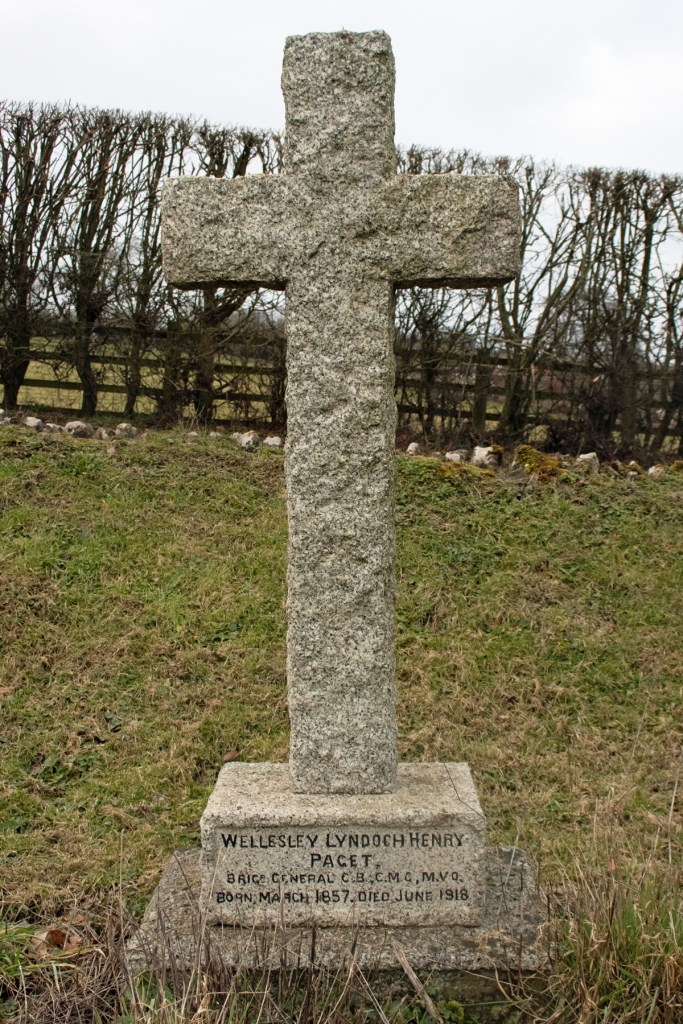
Brigadier General Wellesley Paget

Brigadier General Wellesley Paget

Wellesley Lyndoch Henry Paget was born on 2nd March 1858 in Belgaum, India. The sixth of nine children – all boys – his parents were Leopold and Georgina Paget. Leopold was a Colonel in the Royal Artillery, and Wellesley was always destined to follow a military career.

The young Wellesley was schooled at Wellington College, Sandhurst and, went straight into the army: the 1881 census records him as being a Lieutenant in the Royal Artillery, based at the barracks in Newcastle-upon-Tyne. While a baptism record confirms the location of his birth, Wellesley may have been prone to embellishment – the census record suggests he was born on board the ship HMS Charlotte, off Goa in the East Indies.

On 29th February 1888, Wellesley married Isabelle Swire, a merchant’s daughter from Liverpool. The couple made their vows in All Saints’ Church, Leighton Buzzard, presumably not far from where Lieutenant Paget was then based. The couple went on to have two children, Leo and Mary.

[Wellesley] became Adjutant of the Royal Horse Artillery in 1895… He served in the South African War, where he commanded the 2nd Brigade Division, Royal Field Artillery, and took part in the relief of Ladysmith and operations in Natal and in the Transvaal. He took command of the A Battery (the Chestnut Troop), Royal Horse Artillery, in 1900 and went on service with them in the North-East Transvaal. He was mentioned three times in dispatches for his services in South Africa, was promoted Brevet-Lieutenant-Colonel, and received the Queen’s Medal with six clasps.

Somerset Standard: Friday 21st June 1918

The now Major Paget returned to Britain, and set up home with Isabelle in Dorchester, Dorset. They lived comfortably in a villa in Cornwall Road, and had four servants – a nurse, a cook and two housemaids – to tend their needs.

Leo was sent away to school, and followed his father – and grandfather – into the army. He joined the Rifle Brigade, while his family moved to pastures new. By 1911, Wellesley and Isabelle had moved to Ireland, settling in the village of Ballyellis, near Mallow in County Cork. Again, the family had a retinue of staff, including a teacher for Mary, a cook, a kitchen maid, parlour maid and two housemaids.

Despite being in his fifties when war was declared in 1914, Wellesley stepped up again to play his part. With the rank of Brigadier General, he was again mentioned twice in dispatches for his actions, and was awarded the Companion of the Order of Bath in 1914, and made Companion of the Most Distinguished Order of Saint Michael and Saint George in the King’s Birthday Honours the following year.

By 1916, Wellesley seems to have taken a step back from military life. The Pagets moved to Somerset, setting up home in North Cheriton, near Wincanton. The Brigadier General kept himself busy, however, and, in 1917, was appointed Agricultural Commissioner for Somerset.

At this point, Wellesley Lyndoch Henry Paget’s trail goes cold. He passed away at his home on 11th June 1918, at the age of 60 years old. He was laid to rest in the North Cheriton Cemetery, not far from where his widow still lived.


Major Richard Jordan

Major Richard Jordan

Richard Avary Arthur Young Jordan was born on 24th May 1866 in Cashel, Tipperary, Ireland. His father, Richard Jordan, died a week after his son’s birth, leaving his mother, Annabella, to raise him.

The 1871 census records mother and son living in Woolwich, London, with Annabella’s widowed mother, Grace. They were obviously a well-connected family, with Grace living as an annuitant, or pensioner, one son a Surgeon Major in the army and another as a Colonel in a different regiment. Annabella herself was recorded as a landowner, and the family had support with a cook and housemaid living in.

Surrounded by army servicemen as he was, it is no surprise that a military career called to Richard. He enlisted on 10th November 1886, joining the King’s Shropshire Light Infantry as a Lieutenant. Assigned to the 1st Battalion, his service records confirm that he had attended Burney’s Gosport School – a military academy – and was 5ft 7.5ins (1.71m) tall.

Richard was sent to Egypt just before Christmas that year, and over the next five years, he served both there and in Malta. On 11th May 1889 he attained the rank of Captain and, in December 1891 he was sent further afield, to Hong Kong.

After three years in the Far East, returned to Britain, and spent the majority of 1895 back on home soil. His travels were not at an end, however, and by the end of the year, Captain Jordan found himself in India. He spent three-and-a-half years in the sub continent, returning to the UK in May 1899.

At this point, details of Richard’s life get a little sketchy. He seems to have settled in Pembroke Dock, South Wales, and, on 18th April 1904, he married Ella Mary Caroline Grove. She was eight years his junior, and the daughter of a late Lieutenant in the Highland Light Infantry. The couple married at St George’s Church, Hanover Square, London.

Richard’s trail goes gold again, for a couple of years. He retired from the army on 8th August 1906, after nearly twenty years’ service. By the time of the 1911 census, he and Ella had set up home in Heywood House, on the outskirts of Tenby, Pembrokeshire, with two servants – Beatrice and Edith – as two live-in staff.

War came to Europe in the summer of 1914, and Richard seemed to keen to play his part once again. He enlisted again in August 1915, and was assigned the rank of Major in his former regiment. While it is not possible to determine Major Jordan’s complete service at this time, he definitely arrived in France the following month. If he remained in France, it is likely that he saw fighting at the Somme in 1916, Cambrai in 1917 and at Lys and on the Hindenburg Line in 1918.

Again, Major Jordan’s post-war life remains tantalisingly elusive. By the summer of 1920, he and Ella were living at Holcombe Lodge in Bathampton, on the outskirts of Bath. It was here on 14th June, that Richard passed away. He was 54 years of age.

Despite all his travelling, it seems that Ella was comfortable living in Bathampton, and this is where she laid her late husband to rest. Richard Avary Arthur Young Jordan was buried in the graveyard of St Nicholas’ Church in the village.


The widowed Ella married again, to Captain Clare Garsia, on 9th October 1921. She remained in Bathampton, and lived to the age of 77, passing away on 13th August 1951. She was laid to rest in the same plot as her late husband.

When Captain Garsia died the following year, he was also buried in St Nicholas’ Churchyard, in a neighbouring plot to his beloved Ella.


Quartermaster Serjeant Iva Brewer

Quartermaster Serjeant Ivor Brewer

Iva Victor Brewer was born on 2nd May 1886, the fourth of four children to James and Annie Brewer. James was a farm labourer from Weston-super-Mare, but the family were living in Bathampton by the time of Iva’s birth. James died in 1887, and Annie remarried three years later. Her new husband, Thomas Dolman, was the manager of the George Inn in Bathampton, and the couple went on to have four children of their own, half-siblings to Iva.

Tragedy struck again when Annie passed away in February 1897, at the age of just 37 years old. By the time of the next census in 1901, Iva was boarding with his stepfather’s parents; the following year, however, Thomas also passed away, and the children were left to build their own lives.

Iva – who was now going by his middle name, Victor – found an escape in the army and, according to the 1911 census was an Acting Bombardier in No. 69 Company of the Royal Garrison Artillery, based in Colaba, at the tip of the Mumbai peninsula.

By the time war was declared, Victor had cemented his military career. Full details of his service are no longer available, but the summer of 1916 he had left India for Aden, and was then mentioned in dispatches that October for his bravery in the field at the Somme.

In November 1917, the now Battery Quartermaster Sergeant Brewer was injured in fighting at Passchendaele, and was medically evacuated to Britain for treatment. It seems that he was treated in South Wales, and it seems a whirlwind romance set in when he was living in Pontardawe, near Swansea. On 2nd January 1918, Victor married Laura Seddon, a railway inspector’s daughter from the village of Ystalyfera, just up the valley from Victor.

The couple moved to Bathampton before Victor returned to the fighting. He was badly wounded and, having been evacuated back to Britain in May 1918, he was admitted to the Northern Central Hospital in London where his shattered leg was amputated. Sadly, bronchial pneumonia set in while he was recovering, and he passed away from the subsequent sepsis. Quartermaster Sergeant Brewer passed away on 7th May 1918, days after his 32nd birthday.

Iva Victor Brewer was brought back to Bathampton for burial. He was laid to rest in the quiet graveyard of St Nicholas’ Church in the village.


Tragedy was to strike again, sadly. After his funeral, Laura returned to Wales and found employment at a draper’s store.

…the loss of her husband played on her mind.

On Monday she set off for Bathampton, and on her way posted two letters to her late husband’s relatives.

One ran: “I cannot live without my husband. If you don’t hear from me, search Bathampton, as I shall be there somewhere.” Another letter asked her relatives to let her mother in the Swansea Valley know.

She reached Bath, and it is thought she there took a taxi to Bathampton. She then paid a visit to the cemetery, and placed her hat and handbag on her husband’s grave. At the canal-side nearby she laid her fur coat on the bank, and, it is supposed about midnight, plunged into the water

Western Gazette: Friday 9th April 1920

Laura was just 27 years old when she died: she was buried with Victor, husband and wife reunited again.