Category Archives: Midlothian

Stoker Samuel Hadley

Stoker Samuel Hadley

Samuel Hadley was born in Bilston, Staffordshire, on 1st July 1892. The fifth of six children, his parents were Edward and Mary Hadley. Edward worked in the local iron works and, the family lived on Cross Street, to the south of the town centre.

Opportunities awaited elsewhere, however, and by the time of the 1911 census, the Hadley family had moved to Stockton-on-Tees, County Durham. Iron foundries were a key industry in the area, and census found four members of the household – Samuel, his two older brothers, Edward Jr and Matthew, and father Edward Sr – all employed at the Bowesfield Steel Works. The house at 28 Grove Street was crowded, with Thomas Green, another foundry worker, also boarding there.

When war broke out, all three brother enlisted. Samuel joined the Royal Naval Reserve on 15th January 1915, and was sent to HMS Pembroke, the Royal Naval Dockyard in Chatham, Kent, for his training. His papers show that he was a little under 5ft 9ins (1.75m) tall, with brown eyes and a fair complexion. He had a scar on his left leg following an operation for varicose veins.

Over the next two years, Stoke Hadley served on three vessels – the depot ships HMS Tyne, HMS Crescent and HMS Royal Arthur. All three served in Scottish waters, and Samuel spent time in the Firth of Forth and Scapa Flow. By the summer of 1917, however, he was back in Kent, billeted at HMS Pembroke while he awaited his next posting.

Chatham Dockyard was a bustling and packed place at that point in the war. The battleship HMS Vanguard had been sunk, and its replacement crew were stuck at Pembroke while the authorities organised alternative attachments. There was also an outbreak of spotted fever, and the precautions were taken to space out the crowded barracks. Stoker Hadley found himself billeted in temporary accommodation in the base’s Drill Hall.

On the 3rd September 1917, the first night air raid carried out by the German Air Force bombarded Chatham. Two bombs landed squarely on the Drill Hall, and Stoker Hadley was among the dozens of sleeping men to be killed. He was just 25 years of age.

The body of Samuel Hadley was taken back to Stockton-on-Tees for burial. He was laid to rest in the town’s Oxbridge Lane Cemetery.


Samuel’s older brother Matthew chose the army when he enlisted. A Private in the Argyll & Sutherland Highlanders, he was attached to the 11th Battalion. By the spring of 1917, he was caught up in the Arras Offensive. He was killed on the opening day of the First Battle of the Scarpe. Private was 27 years of age, and is commemorated Arras Memorial.


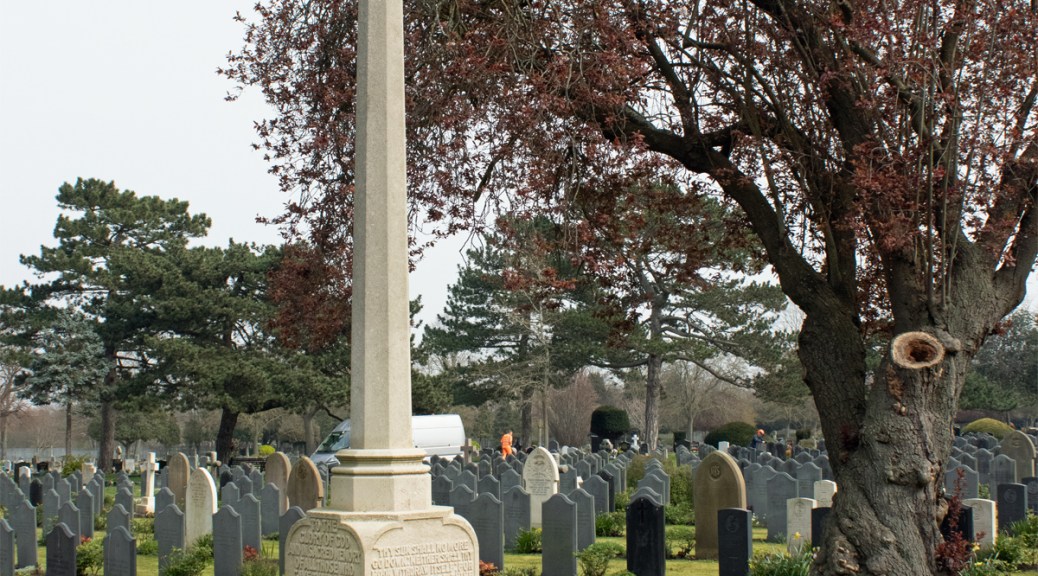
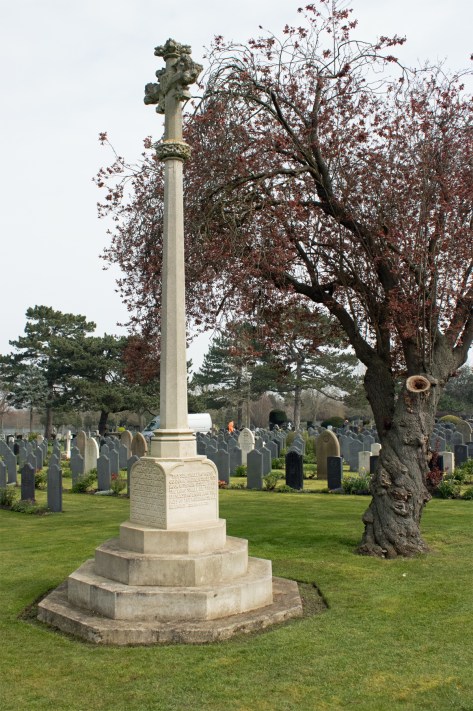
[Note: the photo above is of the memorial to the Chatham Air Raid victims, close to the mass grave for those whose bodies were not identified, in Woodlands Cemetery, Gillingham, Kent.]

Engineman John Foreman

Engineman John Foreman

John Kerr Foreman was born in Aberdeen, Scotland, on 18th December 1878. The son of Thomas and Jessie, details of his early life are sparse. The 1881 census records him living on York Street with Jessie, while the next return notes him as living just round the corner at 4 Links Street with his paternal grandfather, Jessie Kerr.

Thomas’ absence from the documents would suggest that he was away at the time the details were taken. John’s grandfather was a fish labourer, and the family lived next to the port. It is likely that Thomas was a fisherman or part of a boat crew, and a life at sea was something that his son also fell into.

John does not appear on either the 1901 or 1911 census returns. In the early 1900s he married Lily Craig, the daughter of another fish worker. They went on to have five children between 1905 and 1916 but, like her husband, there is no record of Lily or the family in the early 20th century.

When war broke out, John stepped up to play his part. Joining the Royal Naval Reserve – another hint at an undocumented life at sea – on 36th May 1916, his papers note that he was 5ft 8ins (1.73m) tall, with grey eyes and a fair complexion. He was also recorded as having a number of tattoos: a pierced heart, thistle and the word Scotland on his right arm, and an anchor and his initials on his left.

Engineman Foreman’s time in the navy was actually spent on shore. For eighteen months he was attached to HMS Gunner, the shore base at Granton Harbour, near Edinburgh. In August 1917, however, he was transferred south. He arrived at his new home, HMS Pembroke, the Royal Naval Dockyard in Chatham, Kent, on 4th August 1917.

The dockyard was a particularly busy place that summer, and temporary accommodation was set up. John found himself billeted at Chatham Drill Hall, away from the main barracks.

On the night of 3rd September 1917, Chatham suddenly found itself in the firing line, as the German Air Force launched a bombing raid. One of the bombs landed squarely on the Drill Hall, and Engineman Foreman was badly injured. He was taken the naval hospital in the town, but died from his injuries the following day. He was 38 years old.

The body of John Kerr Foreman was taken back to Scotland for burial. He was laid to rest in Aberdeen’s Trinity Cemetery, a short walk from where his family still lived.


Engineman John Foreman
(from findacrage.com)

[Note: the photo above is of the memorial to the Chatham Air Raid victims, close to the mass grave for those whose bodies were not identified, in Woodlands Cemetery, Gillingham, Kent.]
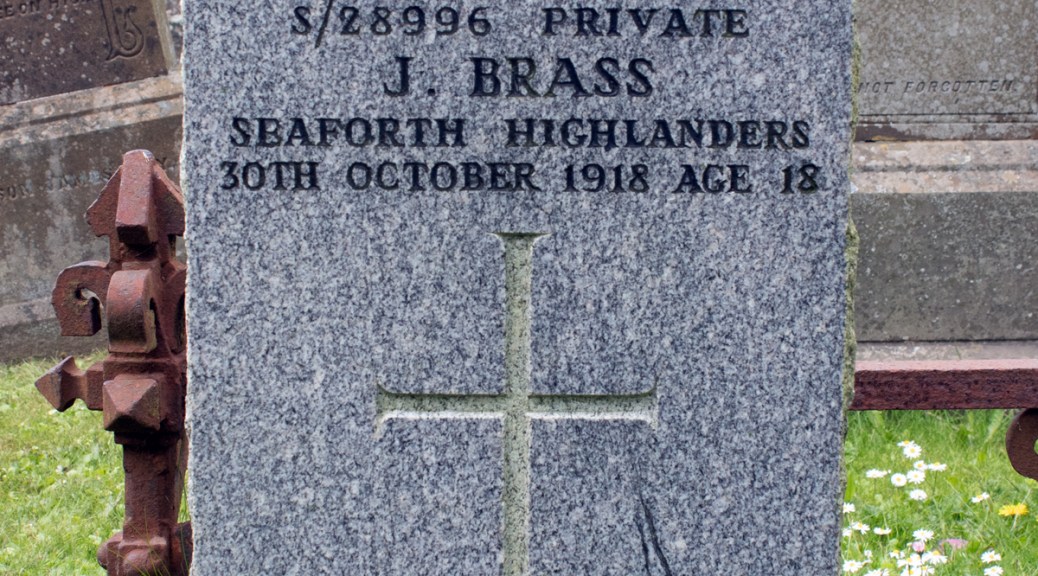
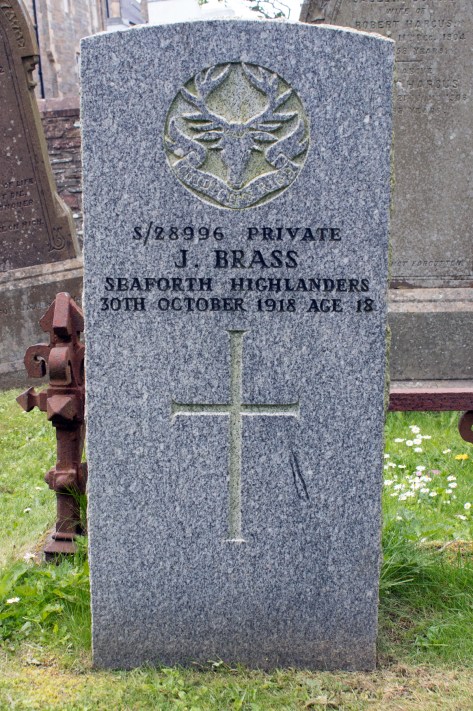
Private John Brass

Private John Brass

John Harcus Brass was born in Kirkwall on the Orkney mainland in May 1900. He was the oldest child to Thomas and Margaret Brass. Thomas was a grocer, and the family lived at 3 Union Street, to the south of the town centre.

There is little information about John’s early life. Better known as Jackie, he was too young to enlist when war broke out, but joined up as soon as he came of age. He was assigned to the Seaforth Highlanders and, as a Private, was attached to the 4th Battalion.

Jackie was sent south for training, and was billeted in Glencorse, to the south of Edinburgh. Sadly, Private Brass’ war was not to be a lengthy one. He was admitted to the 2nd Scottish General Hospital in Edinburgh, suffering from influenza. The condition was to get the better of him, and he passed away on 30th October 1918. He was just 18 years of age.

The body of John Harcus Brass was taken back to Orkney for burial. He was laid to rest in the graveyard of St Magnus’ Cathedral, in his home town of Kirkwall.


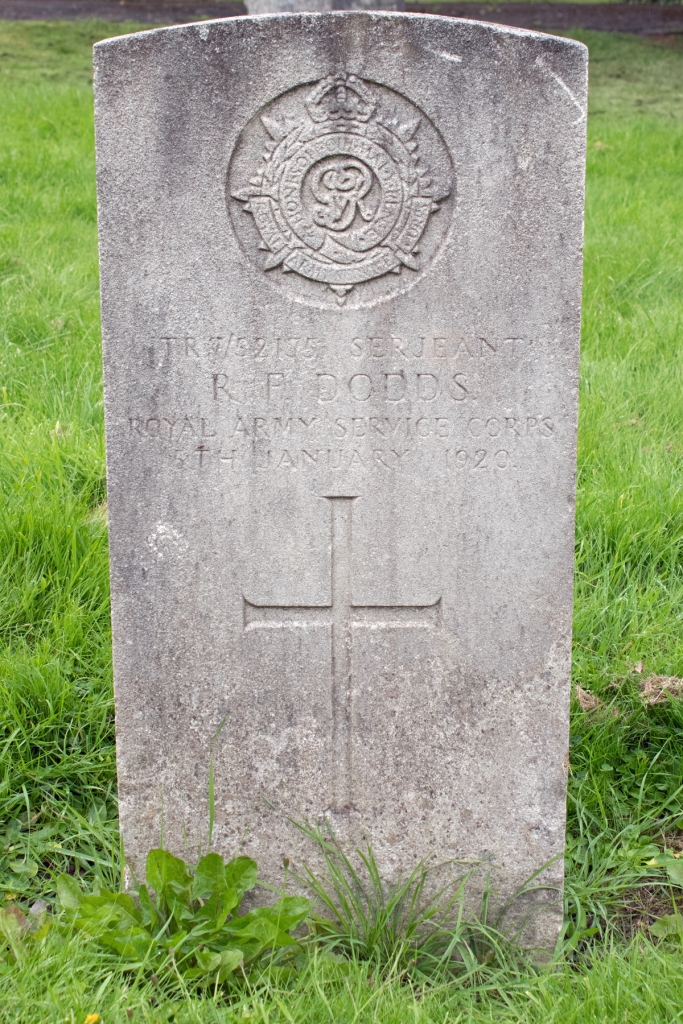
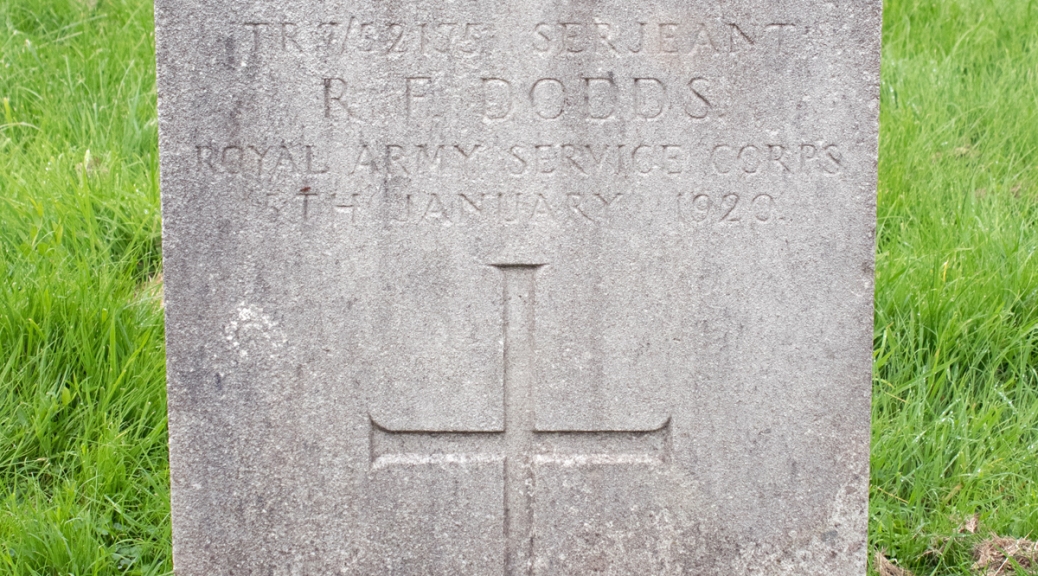
Serjeant Robert Dodds

Serjeant Robert Dodds

Robert Frederic Dodds was born in 1874 in Darlington, Country Durham. The third of nine children, his parents were Robert and Elizabeth Dodds. Robert Sr was a carter and furniture remover and, when he finished his schooling, Robert Jr joined his father in his work.

Robert Sr died in 1898, at the age of 61. Whether this was a catalyst for his son to move on is unclear, but by the following year, Robert Jr was working as a labourer in Weston-super-Mare, Somerset. On 16th September 1899, he married Elizabeth Counsell, a fisherman’s daughter from the town.

It seems that Robert was keen to build a life for his new wife: the next census, taken in 1901, found the couple living in Cardiff, Glamorgan, where he was employed as a stone mason. The Dodds remained in Wales for the next decade, having three children – Lily, William and Rosie – there. By the spring of 1911, however, they were back in Somerset, living in a three-roomed cottage in Castle Street. Elizabeth had had a fourth child just a month before the census, with a second son, Bertie, adding to the family.

When war came to Britain, Robert stepped up to play his part. He initially joined the Royal Army Veterinary Corps as a Private, and found himself in France on 6th March 1915. Elizabeth, meanwhile, remained at home in Somerset, seeking support from her family. With four children to look after, her workload was to increase again when, just a week after Robert arrived on the Western Front, she gave birth to their fifth child, the patriotically named Frederick Gordon Kitchener Dodds.

Robert remained in the Royal Army Veterinary Corps for the next four years, rising to the rank of Serjeant. Details of his time in the service are unclear, but he survived the war and, on 11th July 1919, he transferred to the Royal Army Service Corps.

Little further information is available about Robert’s life. By the winter of 1919/1920, he was based in Midlothian, Scotland. He was admitted to the 2nd Scottish General Hospital, Edinburgh, although his condition is unclear. Whatever it was, it was to be fatal: he passed away on 6th January 1920, at the age of 45 years old.

Robert Frederic Dodds’ body was taken back to Somerset for burial. He was laid to rest in Highbridge Cemetery.