Much of the life of William F Lloyd is destined to remain lost to time.
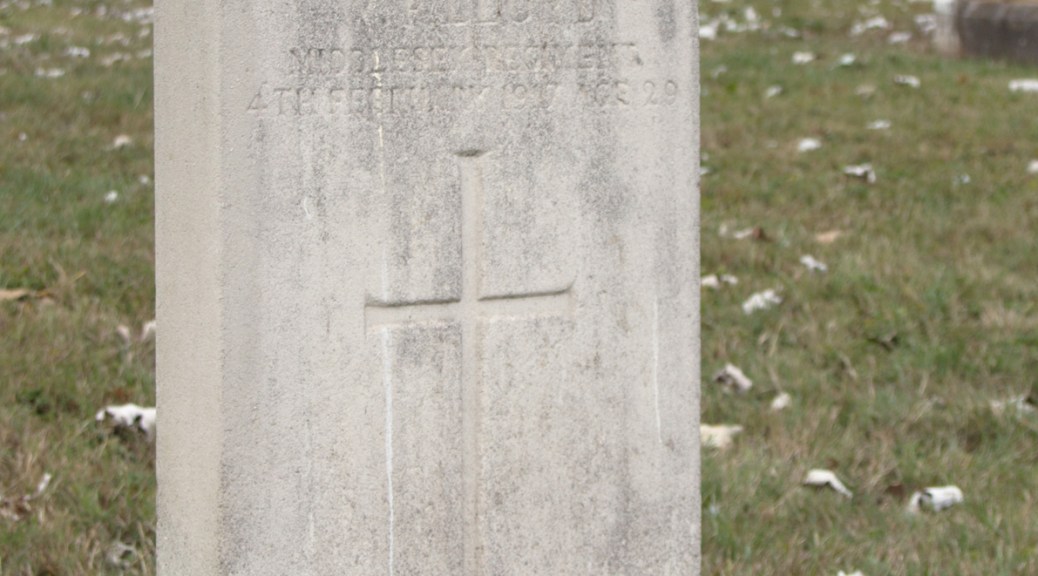
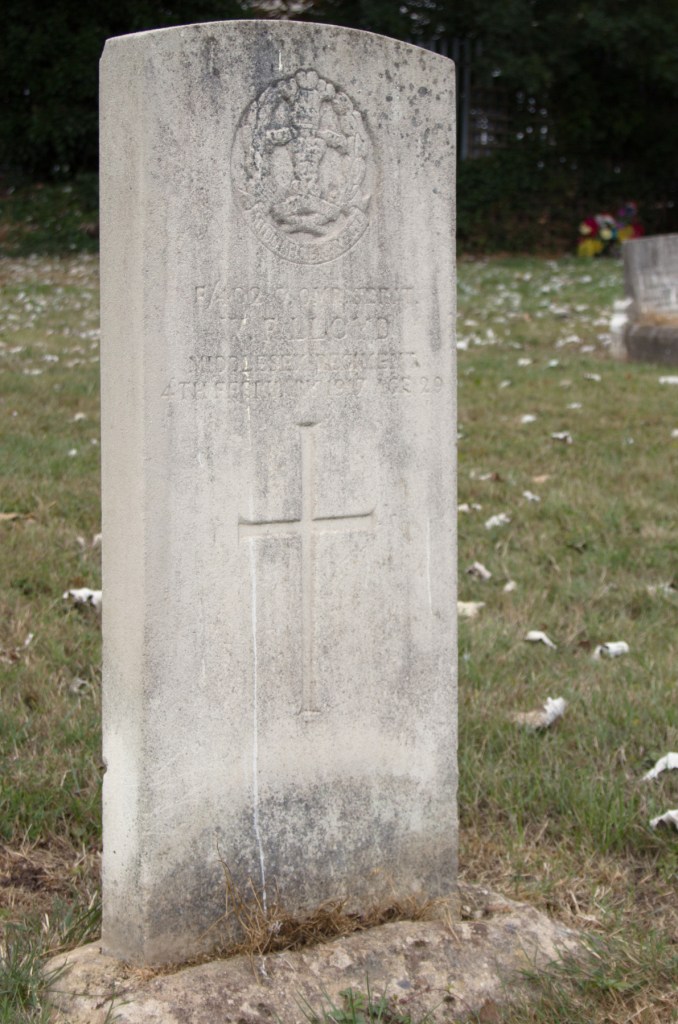
Buried in Streatham Park Cemetery, Surrey, his entry on the Commonwealth War Graves Commission register states that he was a Quartermaster Sergeant in the Middlesex Regiment, and had transferred to the 101st Training Reserve Battalion. It also confirms that he was the son of Mrs Annie Shane, of 24 Paulet Road, Camberwell.
The only document relating to William’s military service – his Pension Ledger record – adds a bit more detail. It records that he died from appendicitis on 4th February 1917. He was 29 years old when he passed. This document gives his mother’s name as Mrs Annie Lloyd, so it would seem that she re-married at some point after his passing.
There do not appear to be any potential census records for William, certainly not for a William F Lloyd, although to achieve the rank of Quartermaster Sergeant by age that he did would suggest he had enlisted prior to the First World War. It may be, therefore, that he was overseas at the time the census returns were taken.
Sadly, there is little more information that can be uncovered. William F Lloyd retained his anonymity after death, and he lies at rest in the large grounds of Streatham Park Cemetery.
George James Bush was born in the autumn of 1889 in Bath, Somerset. One of eight children, his parents were Edward and Sarah Bush. Edward was a general labourer turned fishmonger and the family lived in a ramshackle cottage in Griffin’s Court, off Milk Street towards the centre of the city.
When he finished his schooling, George found employment as a general labourer. By the time of the 1911 census, he and three siblings were still living at home with their parents, and all of them were working to bring together an income for the household. Times were obviously hard for the Bush family, and the list of trades reads like something from one of Dickens’ novels: fishmonger, charwoman, box maker, carter and daily domestic.
Edward died in 1912, and this put a further strain on the household. When war came to Europe two years later, a career in the army seemed a price worth paying for the additional financial support it would bring George and his family. He had enlisted in the Royal Engineers as a Sapper by the spring of 1917.
Attached to the 503rd Field Company, George’s full service details are lost to time. He definitely saw action overseas, however, fighting in some of the fiercest battles of the war, at the Third Battles of Ypres in 1917. It was here, at Passchendaele, that Sapper Bush was wounded, his injuries severe enough for him to be medically evacuated to Britain.
George was admitted to Sheffield War Hospital, but complications set in.
Sapper G Bush, RE, formally employed by the Corporation as a motor lorry driver, died in the Warecliffe Hospital, Sheffield, on Saturday. He was wounded a short time ago, but the cause of death was pneumonia, which supervened. Sappe Bush, who was… unmarried, was a son of Mrs R Bush, of 19, Denmark Road, Twerton. He had been in the army close on two years. He was one of three brothers, all of whom joined the army. A younger brother, who enlisted soon after the outbreak of war, is now in Egypt with the Somersets.
[Bath Chronicle and Weekly Gazette: Saturday 1st December 1917]
George James Bush died on 24th November 1917: he was 28 years of age. His body was brought back to Somerset for burial, and he was laid in the family plot in Locksbrook Cemetery, Bath, reunited with his father far too soon.
On Saturday last an inquest was held at the Seaman’s Institute on the body of Gunner Wm. Moore, RNTS.
Mrs Brennan, sister of the deceased, stated that he was 43 years of age, and lived when off duty with her at Somerville, Seacombe, Cheshire. He joined the Royal Marine Light Infantry over 20 years ago.
Mr R Sussex Langford, Lloyd’s agent, stated that he saw deceased on landing. He help to get him into a cart, but found he was too ill to travel that way, so he had him put on an ambulance and taken to the Royal National Mission for Deep Sea Fishermen, and immediately sent for the doctor. Deceased was semi-conscious and very sick. He was a gunner from a torpedoed ship. Deceased died on Thursday [25th July 1918] at 6 o’clock.
Dr Sargent stated that he was called on the 23rd to see deceased, and found him semi-conscious, complaining of great pain in the abdomen and vomiting. He lay in that condition until the 25th, when death took place. The cause of death was acute traumatic peritonitis, the result of injuries received by the explosion of an enemy torpedo.
[Newquay Express and Cornwall County Chronicle – Friday 02 August 1918]
Other than the details outlined in the newspaper report, little concrete information is available about the life of William Moore. The name does crop up in the 1891 census in Seacombe, Cheshire, and, if this relates to Gunner Moore, then he was one of five children to widowed lithographer Margaret Moore. Beyond that one census, however, it is not possible to find any more specific details.
William was on board the steam ship SS Anna Sophie in the summer of 1918, which was sailing from Rouen to South Wales, On 23rd July, she was torpedoed by the German submarine U-55 off Trevose Head, Cornwall. The Anna Sofie was sunk, Gunner Moore was one of those who subsequently passed from their injuries.
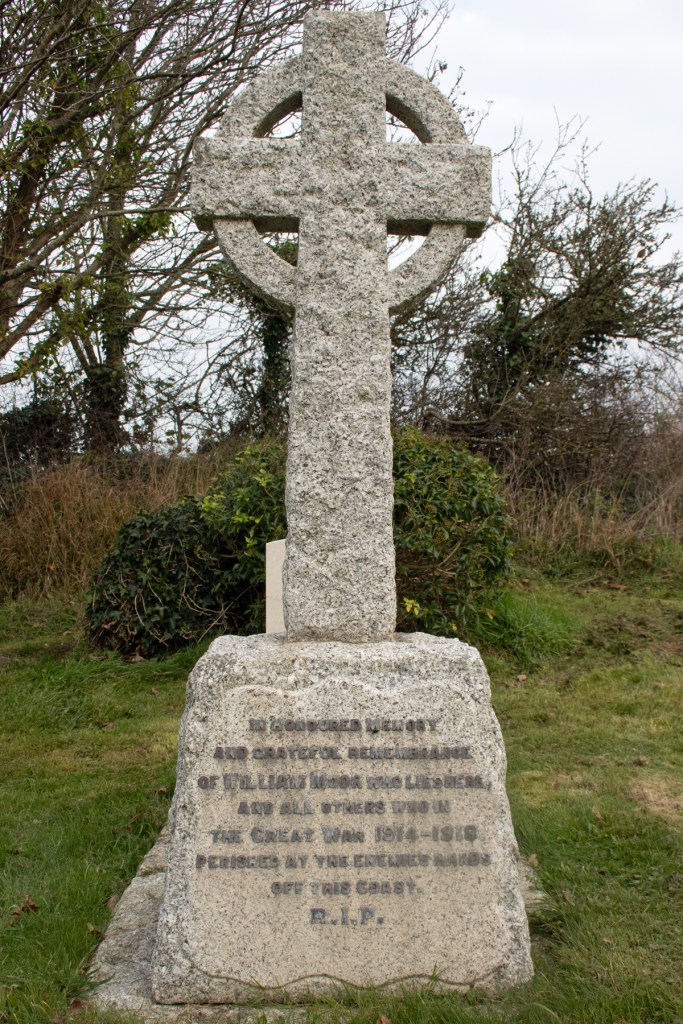
William Moore’s sister may not have been able to pay for her brother to be brought back to Cheshire for burial. Instead, he was laid to rest in Padstow Cemetery, and shares his resting place with another member of the crew, Lance Corporal William Whitmore.
William’s headstone reads: “In honoured memory and grateful remembrance of William Moor [sic] who lies here, and all others who in the Great War 1914-1918, perished at the enemies hands off this coast. RIP.”
William Henry Whitmore was born in Stoke-on-Trent, Staffordshire, on 21st May 1875. One of nine children, his parents were William and Mary Whitmore. He was not the first of their sons to be called William – a brother born nine years previously was also called by that name, but he died when just a few months old.
William Sr was a journeyman joiner, and seems not to have played much of a part in his family’s life. The 1881 and 1891 census returns found Mary raising her children as the head of the household, and this seems to have paid a toll. By the time of the 1901 census, she was one of 150 patients at the North Staffordshire Infirmary in Stoke-on-Trent. She died in 1907, at the age of 67 years old.
William Jr, meanwhile, had been making a life for himself. On 28th August 1895, he enlisted in the Royal Marine Light Infantry, set on a career at sea. His service records confirm that he was 5ft 8ins (1.73m) tall, with brown hair, grey eyes and a fresh complexion. The document also highlights two tattoos on his left forearm, one of a crossed heart.
Private Whitmore was sent to Walmer in Kent for his initial training. He spent nine months on site, before moving to what would become his shore base, the Royal Naval Dockyard in Portsmouth. Over the twelve years of his contact, he would go on to serve on six ships, each time returning to the Hampshire port.
On 18th February 1904, William married Margaret Cook. She was the daughter of a farm labourer from Somerset, but the couple wed in the parish church of Eastry, near the Royal Marines base in Walmer.
William’s term of service came to an end in September 1907, and he was placed into the Royal Fleet Reserve. He and Margaret, together with daughter Kathleen, settled in Wellingborough, Northamptonshire. Their home was a small terraced cottage on Salisbury Road, close to the train station. William had found employment as a labourer in a blast furnace not far from home. A second child, daughter Nora, was born in 1910, and the family was complete.
Private Whitmore was called into service once more when war was declared. After initially returning to Portsmouth, he was assigned to the converted liner HMS Carmania, spending nearly two years on board. After a brief spell back on dry land, William found himself assigned to the steam ship SS Anna Sophie.
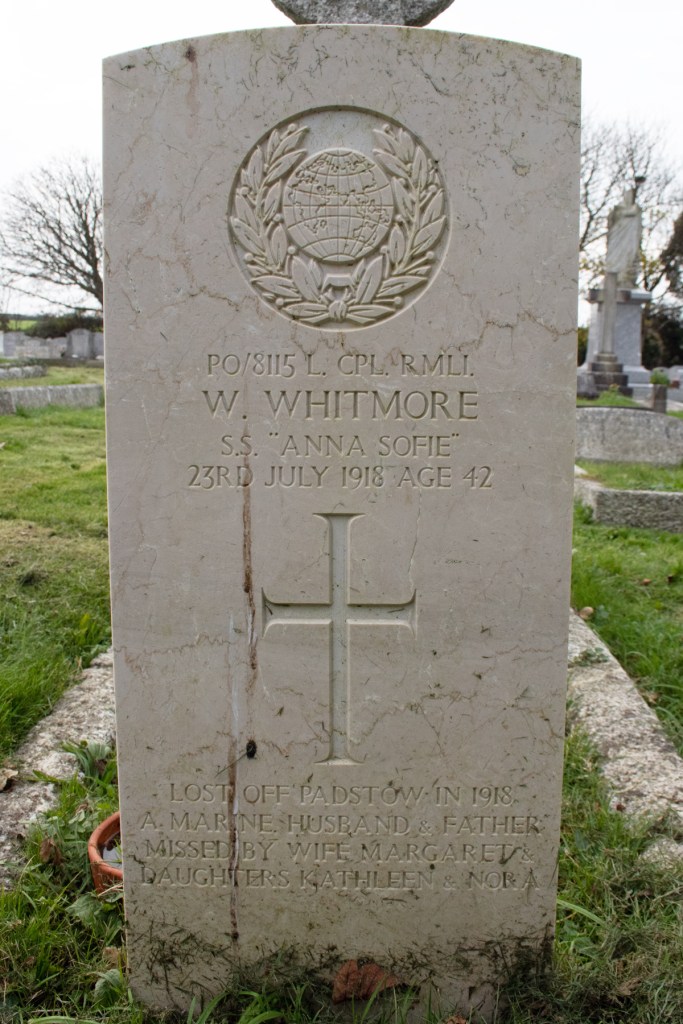
On 23rd July 1918, the ship was en route from Rouen to South Wales, when she was torpedoed the German submarine U-55 off Trevose Head, Cornwall. The Anna Sofie was sunk, and one member of the crew died. Others subsequently passed from their injuries, including the now Lance Corporal Whitmore. He was 43 years of age.
William Henry Whitmore’s body was recovered, but his family were unable to cover the cost of bringing him back to Northamptonshire for burial. Instead, he was laid to rest in Padstow Cemetery, in a shared grave with fellow crewman Gunner William Moore.
Lance Corporal William Whitmore (from ancestry.co.uk)
Charles Henry Edwards was born in Padstow, Cornwall, in around 1888. One of three children, his parents were Charles and Elizabeth Edwards. Charles Sr was a farm labourer, and his son, who was one of four children, followed suit when he finished his schooling.
Charles Sr passed away in 1903: the next census record found Charles and two of his sisters living with Elizabeth. She was claiming parish relief, while her daughters were doing occasional char work to bring in a little more money.
Charles married a woman called Florence Dunn in the summer of 1911: little information is available for her, other than she was born in Devon, to Joseph and Maria. The couple set up home in Leadwell Street, Padstow, and went on to have four children: Lilian, Charles, Elsie and Alfred.
When war came to Europe, Charles stepped up to play his part. He enlisted 11th December 1915, by which point, he had found work as a cowman. He joined the Devonshire Regiment as a Private and spend the next fourteen months on home soil, moving across to the 5th Labour Company in February 1917.
At this point, Private Edwards was sent to France, and he spent most of that year overseas. He returned to Britain on 8th November, having contracted bronchitis while serving at Etaples. When he had recovered, Charles returned to duties, and was attached to the 650th Labour Coy.
Alfred, Charles and Florence’s youngest child, was born on 1st April 1918, but seemed to be a sickly boy. He passed away on 27th September, aged just six months, from a combination of influenza and bronchitis. Tragically, Charles was also unwell at this point, and he passed away just four days later from pneumonia. He was just 30 years of age.
Charles Henry Edwards was laid to rest in Padstow Cemetery. The report of his funeral does not mention Alfred, but it seems likely that father and son were buried together.
Florence lived on until 1964. She passed away in Bodmin, at the age of 78, and was laid to rest with her husband, reunited after more than four decades.
John Edward Stone was born on 10th April 1894 in Torquay, Devon. The oldest of seven siblings – of whom three survived childhood, his parents were John and Hannah Stone.
John Sr was a masons labourer, but when his son finished his schooling, he found work initially as a grocer’s errand boy, then as an outdoor porter. John Jr sought bigger and better things, however, and, in February 1913, he enlisted in the Royal Navy.
Stoker 2nd Class Stone’s service records show that he was 5ft 5ins (1.65m) tall when he joined up, and that he had brown hair, grey eyes and a fresh complexion. He was based at HMS Vivid, the Royal Naval Dockyard in Devonport, and this is where he spent the first six months training.
John’s first sea-going posting was on board the armoured cruiser HMS Defence and she was to be his home from 2nd September 1913 to May 1916, when she was sunk during the Battle of Jutland. During his month aboard, he was placed in the brig for 14 days due to ‘absence’. This imprisonment seemed to have refocused John’s priorities, however, and he was promoted to Stoker 1st Class on 26th February 1914.
Rescued from the lost Defence, John was taken back to Devonport, and he remained there until the end of August 1916. From here he transferred to the depot ship, HMS Blake, which was to be his home until the end of the war.
In the spring of 1917, John married Sarah Juliff in St Columb, Cornwall. The couple went on to have a daughter, Christiana, a few months later.
Stoker 1st Class Stone fell ill towards the close of the war, contracting pneumonia. He passed away while still on board HMS Blake, on 15th November 1918. He was 24 years of age.
Sarah was living in Middle Street, Padstow when her husband passed. He was brought back to the county, and was laid to rest in the town’s cemetery.
The official documents go on to say that Sarah moved to the Caerwilliam Hotel in Cabres Bay. However, there are no records for the hotel or location, although it could refer to Carbis Bay in St Ives, Cornwall.
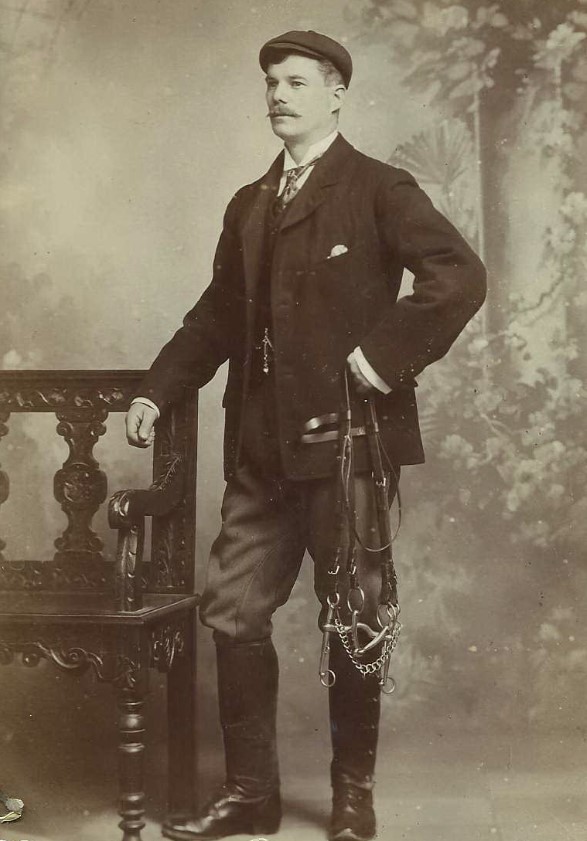
Richard George Dale was born Padstow, Cornwall, in the summer of 1889, the oldest child to Alice Dale. She married Frederick Bryant in March 1894, but and went on to have two children – Frederick and Albert – but, by the time of the 1901 census, her husband has passed away. The document gives Richard’s surname as Bryant, but there is no real indication that he was Frederick’s son.
Alice had been living with her greengrocer parents, but the 1901 census in a small cottage off Lanadwell Street, a couple of door away from them. As a widow at 31 years old, she is noted as being on parochial relief.
Details of Richard’s later life are a challenge to track down. Absent from the 1911 census, it was around that time that he married Agnes MacKintosh. While she was born in Edinburgh, the wedding took place in St Columb, Cornwall.
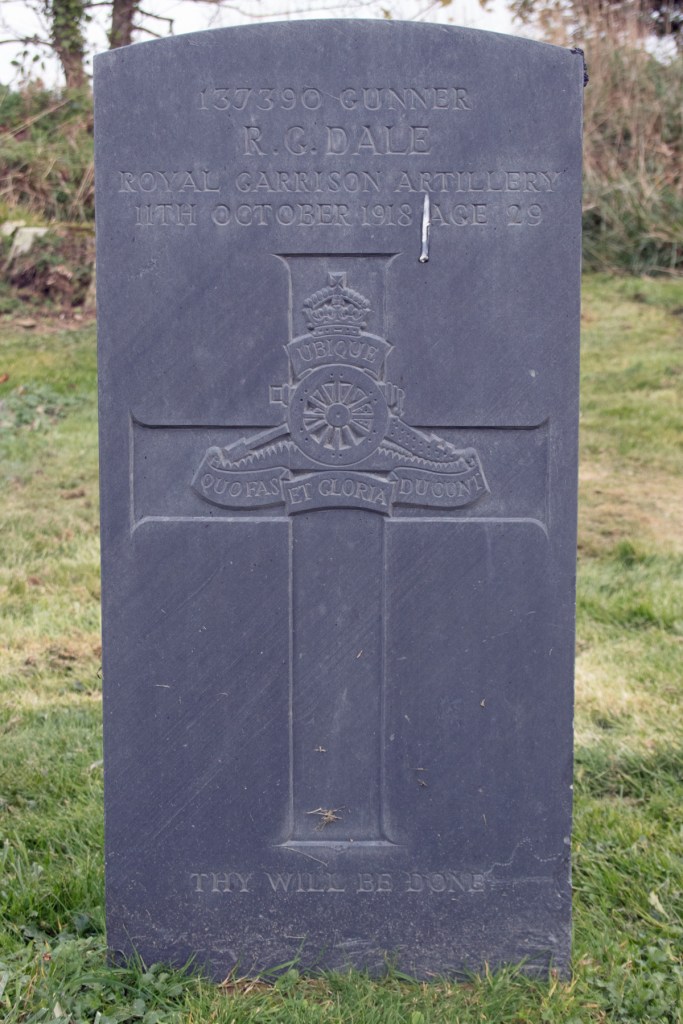
When war broke out, Richard was working as a farmer. He enlisted the day after hostilities were declared, and joined the Royal Garrison Artillery. Gunner Dale was, according to the records, 5ft 3ins (1.6m) tall, with medium colour hair, blue eyes and a fresh complexion. He had a scar between his eyebrows.
Gunner Dale served for nearly four years, all the time being based on home soil. He suffered from epilepsy, however, and this is what led to his eventual discharged from armed service in March 1918.
Richard returned home, but his health was compromised. He passed away on 11th October 1918, from a combination of influenza and pneumonia. He was 29 years of age.
Richard George Dale was laid to rest in Padstow Cemetery, in sight of his younger brother Albert, who had passed away eleven years before.
William George Masters was born in Padstow, Cornwall, on 15th April 1877. The older of two children, his parents were Samuel and Catherine (or Kate) Masters. Samuel was an agricultural labourer, but his son sought a life at sea.
On 7th November 1894, William enlisted in the Royal Navy. Sent to HMS Northampton, an armoured cruiser repurposed as a training ship, he took on the role of Boy 2nd Class. His service records show that he was 5ft 6.5ins (1.69m) tall, with brown eyes, auburn hair and a freckled complexion. He was noted as having a scar on the third finger of his right hand.
Over the next six months, William showed a remarkable dedication to the job. On 7th February 1895 he was promoted to Boy 1st Class, and, just three months later, he came of age and assumed the rank of Ordinary Seaman.
William’s shore base was to be HMS Vivid, the Royal Naval Dockyard in Devonport, Devon, and he returned here regularly over the twelve years of his service. Ordinary Seaman Masters served on ten ships during this time and, on 1st May 1902, was promoted to Able Seaman.
His time in the navy wasn’t to be without incident, however, and he had two spells in the brig – for three days in July 1897, and ten days in December 1905. His misdemeanours are lost to time, but they did blemish an otherwise clear term of service for William.
William married Laura Oldham in 1905: they would go on to have three children – William Jr, Emily and Katharine. He was stood down to reserve status in April 1907 and, by the time of the next census in 1911, the family were living in Church Street, Padstow. No longer working for the Royal Navy, he was, instead, self-employed as a general labourer.
When war was declared in August 1914, William was called back into action. Assigned to HMS Argonaut, he once again too the rank of Able Seaman. He spent a year on board, patrolling the Atlantic, before the protected cruiser was converted to a hospital ship.
In September 1915, Able Seaman Masters transferred to another cruiser – HMS King Alfred – which served in the Mediterranean. He remained on board until the following summer, by which point his health was beginning to become affected.
William returned to Devonport in August 1916, remaining there for a couple of months. On 4th October, he as medically discharged, suffering from myocarditis, a heart condition.
At this point William’s trail goes cold. He returned to Cornwall, passing away at home on 13th September 1917: he was 40 years of age.
William George Masters was laid to rest in Padstow Cemetery, on the outskirts of the town he called home.
William Kennedy Blundell early life seems anything but ordinary. Born in Cardiff, Glamorgan, in the summer of 1890, he was the only child to bank clerk Edmund Blundell and his wife, Annie. Edmund was born in Staplegrove, Somerset, while Annie had grown up in Lahore, India.
The 1891 census found William living with his maternal grandparents James and Edith Kennedy in the Walcot area of Bath, while his parents were firmly based in Cardiff. Edmund died the following year, so it is possible that he was placed out of the way while Annie tended to her husband (along with her sister-in-law and a domestic servant).
By the time of the next census return, Annie and William were reunited, and were living in Avenue Road, Wimborne Minster, Dorset. Anne was living off her own means, and had a servant, Emily Chaffey, to hep look after the home.
Both Annie and her son disappear from the 1911 census. It is likely that William had embarked on a military career by this point, and may have been serving overseas. Sadly, his trail goes cold, but scraps of later information help identify some of what became of him.
By the outbreak of the First World War, he was serving in the Bedfordshire Regiment. He was based in Egypt from January 1916, and rose to the rank of Captain by the end of the conflict. By 1918, he was attached to the 12th (Transport Workers) Battalion, and was back in Britain.
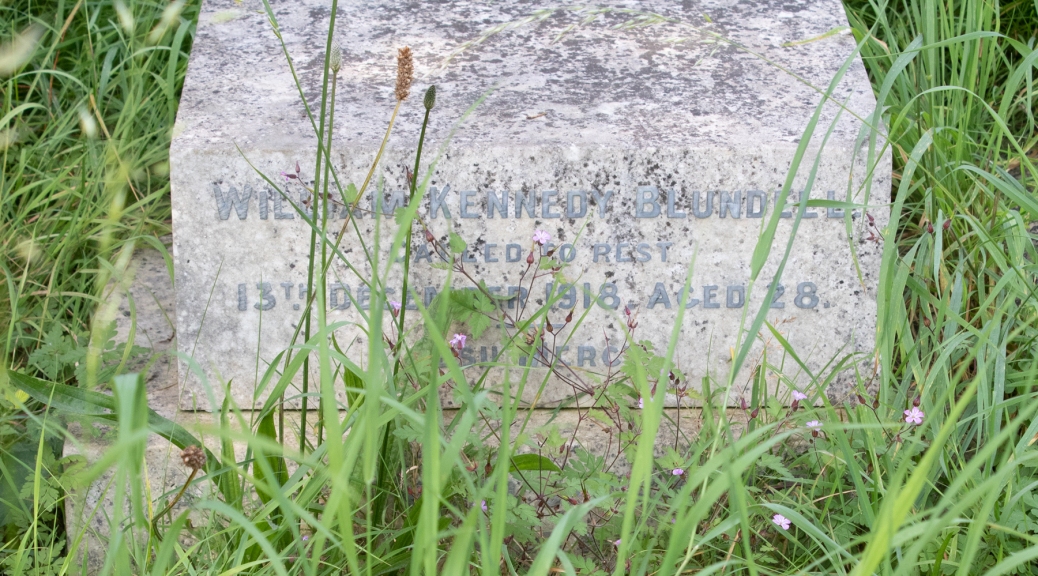
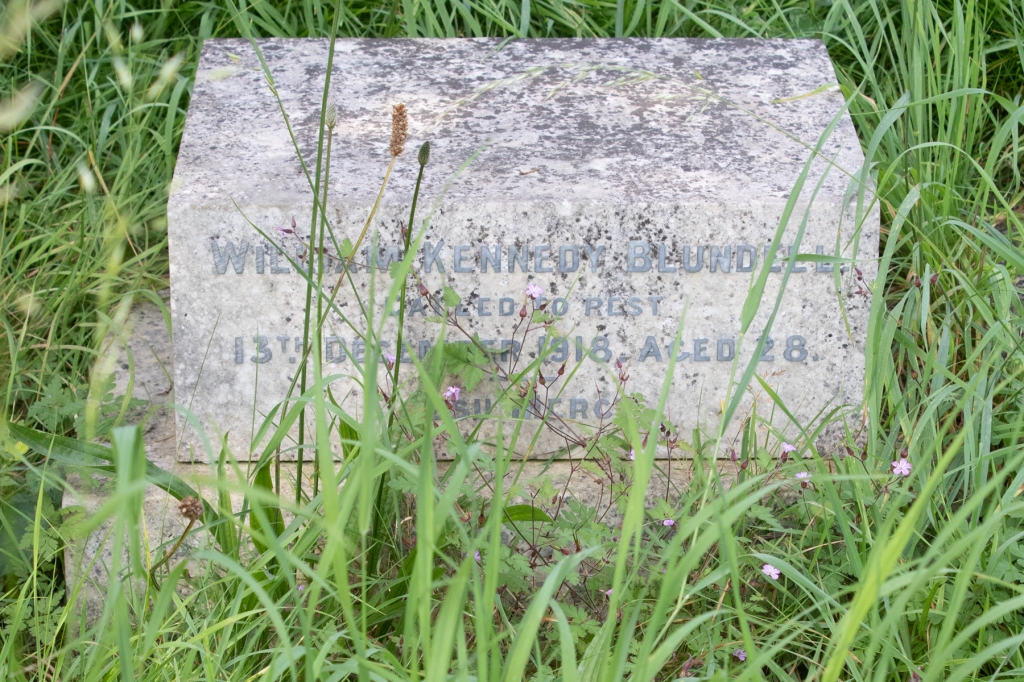
Captain Blundell was in Sussex by the time of the armistice, and it was here that he fell ill, contracting pneumonia. He was admitted to the General Eastern Hospital in Brighton, but the condition was to prove too severe. He passed away on 13th December 1918, at the age of 28 years old.
William Kennedy Blundell’s body was taken back to Somerset for burial. He was laid to rest in the sweeping grounds of Locksbrook Cemetery in Bath.
Arthur Edward Naile was born in the summer of 1888, the youngest of ten children to James and Mary Naile. Both of his parents were born in Bath, Somerset, and this is where they raised their growing family.
The Nailes lived in the Camden area of the city, consecutive census returns showing different addresses, as the children grew and then left home. In 1891, they lived at 11 Malvern Buildings, a small terraced house on a steep hill. Ten years later, they had moved to 3 George’s Road, to another terraced cottage close to their old home. By 1911, only Arthur was still living at home, which was now the four-roomed terrace at 51 Brooklyn Road, in the more built up Larkhall area no the northern outskirts of the city.
During all of this time, James had worked as a printer’s compositor. By 1911 he was 64 years of age, and was employed by a newspaper in the area. Arthur, meanwhile, was working as a grocer’s assistant.
On 9th August 1914, he married soldier’s daughter Bessie Brine. She was working as a dressmaker, and lodging with Charles and Eleanor Richman, in a small cottage in Dover Place. Their marriage certificate shows that Arthur was living three doors down, so it is likely she caught his eye not long after he moved in. They went on to have a son, Leslie, in November 1916.
War was raging across Europe by this point, and Arthur had stepped up to serve his country. He joined the Royal Engineers as a Sapper, but there is little concrete information about his time in the army. He was awarded the Silver War Badge, which was given to men medically discharged from military service during the conflict, which would suggest that he was badly wounded at some point. He died in a hospital in Hastings, East Sussex, an annexe of which was dedicated to personnel who had been blinded during the war.
Sapper Arthur Edward Naile passed away from a combination of influenza and diabetes on 31st October 1918: he was 30 years of age. His body was taken back to Somerset for burial, and he lies at rest in a peaceful corner of Bath’s sweeping Locksbrook Cemetery.
After Arthur’s death, Bessie was left to bring up their young son. In the autumn of 1923, she married again, to John Forman, and not long afterwards the three of them emigrated to Australia, in search of a better life. They settled in Bunbury, Western Australia, and went on to have two children, Ron and Nan.
When war broke out again, Leslie was old enough to step up, and joined the Royal Australian Air Force. By 1943, he found himself as a Flight Sergeant in Waltham, Lincolnshire. He had joined 100 Squadron of Bomber Command and, on the night of 25th June 1943, was piloting a Lancaster over the Netherlands. His plane was hit and destroyed, killing all those on board. Father and son both lost to war, Flight Sergeant Naile was just 26 years of age when he passed. He was buried in Westbeemster, and commemorated on memorials in Runnymede, Surrey, and Canberra, Australia.
Bessie lived on until her early 70s. She died on 8th December 1960, and is buried in the family plot in Bunbury Cemetery.










 Death and Service