Tag Archives: 1918

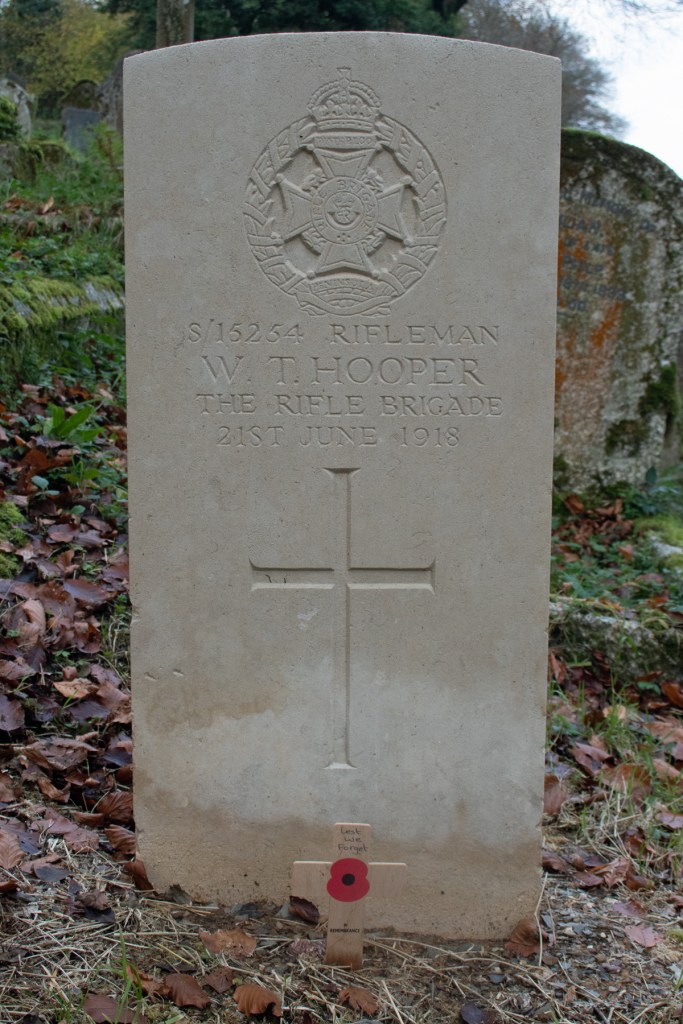
Rifleman William Hooper

Rifleman William Hooper

William Thomas Hooper was born in St Breock, near Wadebridge, Cornwall, in the summer of 1890. One of three children his parents were gardener William Hooper and his wife, Sarah.

When he left school, William Jr found work as a warehouseman and salesman, up in London, but when war broke out, he stepped up to play his part. He enlisted in December 1915, joining the Rifle Brigade, but was not formally mobilised for another couple of months.

Little detail of Rifleman Hooper’s military service survives, but records confirm that he was 5ft 6ins (1.68m) tall, and weighed 124lbs (56.3kg). It also notes that his left testicle had not descended, but that his condition was not severe enough for William to be refused for military service.

Rifleman Hooper’s was initially assigned to the 5th Battalion, based on the Isle of Sheppey, Kent, as part of the Thames & Medway Garrison. By the spring of 1916, however, he had been transferred to the 1st Battalion, and sent to France. He was involved in the Battle of Albert, and returned to the UK in August 1916 .

William appears to have been transferred back to the 5th Battalion and, in the spring of 1917, was hospitalised for three month, suffering from trench foot and rheumatism. By September that year, however, he was back with his unit.

Rifleman Hooper’s service documents become a little confused at this point. One record suggests that he was discharged from the army on 2nd January 1918 as being no longer medically fit for duty, while a second entry confirms that he passed away while on leave pending discharge.

Either way, William was back at home in St Breock when, on 21st June 1918, he passed away from a combination of pericarditis and pericardial effusion. He was just 27 years of age.

William Thomas Hooper was laid to rest in the wooded graveyard of St Breoke’s Church, in his home village.


An entry in the local newspaper confirmed that “Mr and Mrs Hooper and family… and Miss Ive Jones, London” [Cornish Guardian: Friday 18th June 1918] offered their thanks for the sympathy they had been shown in the bereavement. This suggests that, when he passed, William had been courting, his loss felt further.


Private James Toms

Private James Toms

James Toms was born in Tintagel, Cornwall, early in 1886, and was the youngest of seven children to Lavinia Toms. Lavinia’s husband, quarry worker John Toms had passed away a few years before, and she had moved her young family in with her mother, Mary Emmett, by the time James was born.

James found work in the local slate quarry when he left school and, by the time of the 1911 census, he was living with his mother and two of his siblings in the town.

When war came to Europe, James stepped forward to play his part. While his service records are no longer available, other documents confirm that he enlisted in the Duke of Cornwall’s Light Infantry, and was on the Western Front by October 1915.

At some point, Private Toms transferred to the Royal Defence Corps: as this regiment was not created until March 1916, his move could obviously not have been before this point in the conflict. He was based back on home soil, and, by the end of the war, he was serving in Oxfordshire.

In the closing weeks of the war, Private Toms was admitted to the 3rd Southern General Hospital in Oxford, having contracted pneumonia. The condition was to get the better of him and, he passed away on 6th November 1918. He was 33 years of age.

Brought back to Cornwall for burial, James Toms was laid to rest in the quiet and picturesque graveyard of St Materiana’s Church. His epitaph reads: Home at last thy labour done, safe and blest the victory won.


Private Philip Johnson

Private Philip Johnson

Philip Johnson was born in the summer of 1891 in Wrexham, Denbighshire. One of eight children his parents were Samuel and Mary Johnson. Samuel was a wine merchant from Scotland, while Mary had been born in Cheshire. When Philip was born the family were living and running the town’s Lion House inn on the High Street.

Mary died in 1897 and, in 1909 Samuel moved his family on. He bought the Royal Hotel in Llangollen, which occupied a large plot on the riverside, and which included a large garden.

The Royal Hotel was a busy business: to look after the guests, there were eleven members of staff living in. This was to be a Johnson family business, however, with Philip’s older sibling Elizabeth managing the hotel with her father, his brother Samuel Jr assisting, his sister Ethel acting as bookkeeper and Philip himself managing the bar.

In the spring of 1914, Philip married Elizabeth Kelsall, whose family ran the Eivion Hotel, down the road from The Royal. The couple set up home in the town – possibly even still living at Samuel’s hotel – and had two children.

When war came to Europe, Philip stepped up to play his part. Sadly, full details of his military service are lost to time, although it is clear from other documents that he had enlisted in the Royal Army Service Corps.

For The Royal Hotel, this was a challenging time. By December 1916, two of Samuel’s sons – including Philip – were away on service, as were nine of the hotel’s seventeen staff. Samuel applied for Samuel Jr’s exemption from war service on the basis that he was the hotel’s manager, but this was refused. A year later, he applied for another of the hotel’s servant’s, an Evan Edwards, exemption, but again this was refused.

Philip, meanwhile, was attached to the 728th Coy of the Motor Transport section of the Royal Army Service Corps. His troop served the RE Signal Service Training Centre, but it is unclear whether he saw any action overseas. By the end of the war, however, he was based in Hitchin, Hertfordshire.

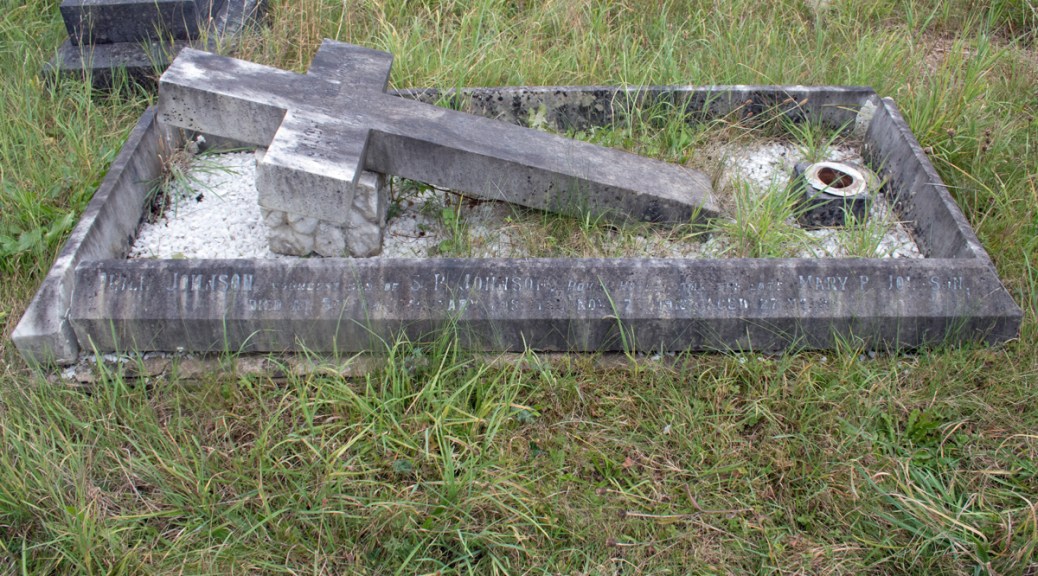
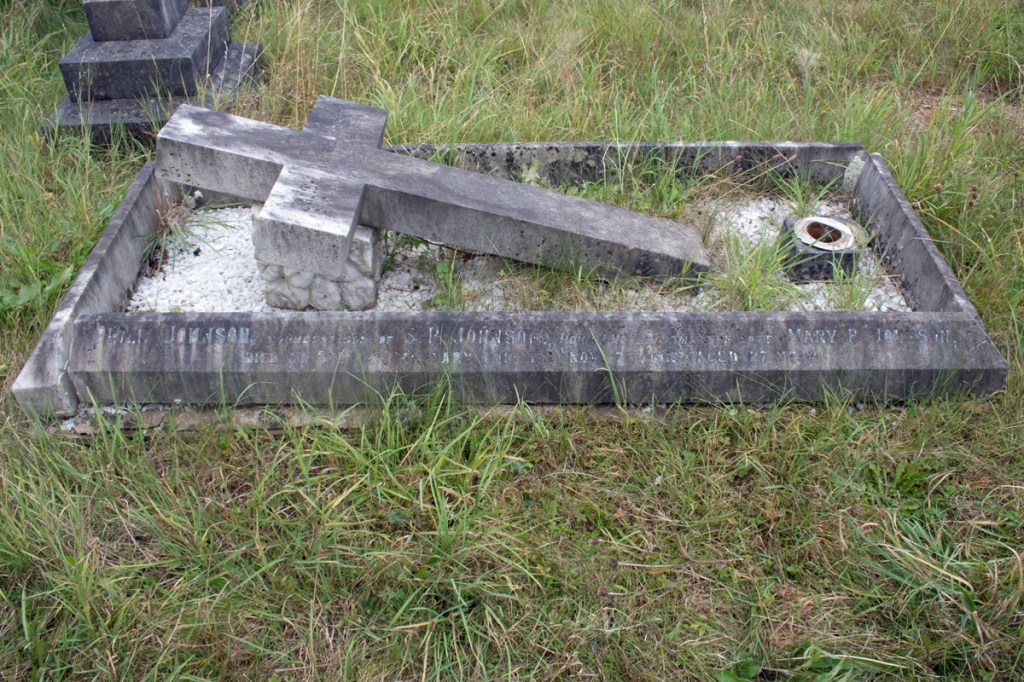
With winter closing in, illness became rife in the cramped condition of army barracks. Private Johnson contracted pneumonia, and was admitted to the Bedford Military Hospital, not far from where he was based. Sadly, the lung condition was to get the better of him, and he succumbed to it, passing away on 7th November 1918, aged just 27 years old.

Philip Johnson’s body was brought back to Wales for burial. He was laid to rest in a family plot in the graveyard of St John’s Church in his adopted home town of Llangollen.


Private William Hughes

Private William Hughes

William Thomas Hughes was born on 4th August 1898 in Llangollen, Denbighshire. One of twins, he was also one of seven children to William and Margaret Hughes. William Sr was a bricklayer and the family lived on Fron Bache, a land to the south of the town, leading into the hills. The Hughes’ baptised their first five children on the same day – 5th October 1904 – in the parish church.

Little further information on young William’s life remains. When war broke out, he stepped up to play his part: details of when have been lost to time, but, according to later records, he had enlisted by December 1917.

Private Hughes joined the Royal Welch Fusiliers, and was assigned to one of their depots, possibly on the North Wales coast. Certainly this is where he was based by the spring of 1918 as, in May of that year, he was admitted to the Red Cross Hospital in Colwyn Bay, having contracted malaria.

Tragically, this condition was to get the better of him: Private Hughes passed away on 7th May 1918, at the tender age of just 20 years old.

William Thomas Hughes was brought back to Llangollen for burial He was laid to rest in the graveyard of the town’s St John’s Church.


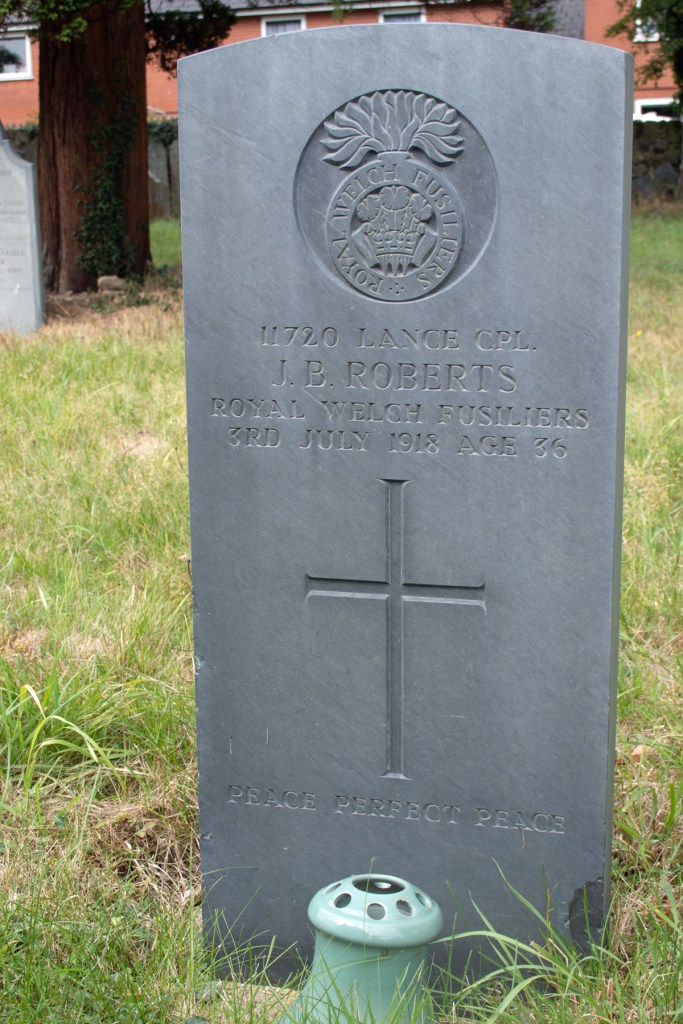
Lance Corporal John Roberts

Lance Corporal John Roberts

John Briscoe Roberts was born in 1882 in the Welsh village of Llanaelhaiarn. He was the oldest of ten children to the village’s sub-postmaster Samuel Roberts and his wife Elizabeth.

When he left school, John found employment with a local estate agent and, by the time of war was declared, he was working as a clerk for a timber mill in Llangollen, Denbighshire.

John was quick to enlist – he joined up on 15th August 1914 and, as a Private, was assigned to the Royal Welch Fusiliers. His service records show he was 5ft 7ins (1.70m) tall, and weighed 142lbs (64.4kg). They also note that he had black hair, brown eyes and a dark complexion.

Private Roberts’ initial service was carried out on home soil. He worked diligently and was rewarded for it, being promoted to Lance Corporal in December 1914. By the following June, his troop, the 8th Battalion, was sent overseas, first to Mudros in Greece, and then on to Gallipoli. In September 1915, Lance Corporal Roberts contracted dysentery and tuberculosis. He was medically evacuated back to Britain and admitted to the 1st Scottish General Hospital in Aberdeen to recover.

On 26th January 1917, John married Gladys Emily Edwards in Wrexham Parish Church. The couple settled down in Llangollen, where Gladys was from, and where John had been working before the war. His lung condition continued to dog him, however and, after another couple of months, he was deemed no longer fit for active service, and medically discharged from the army.

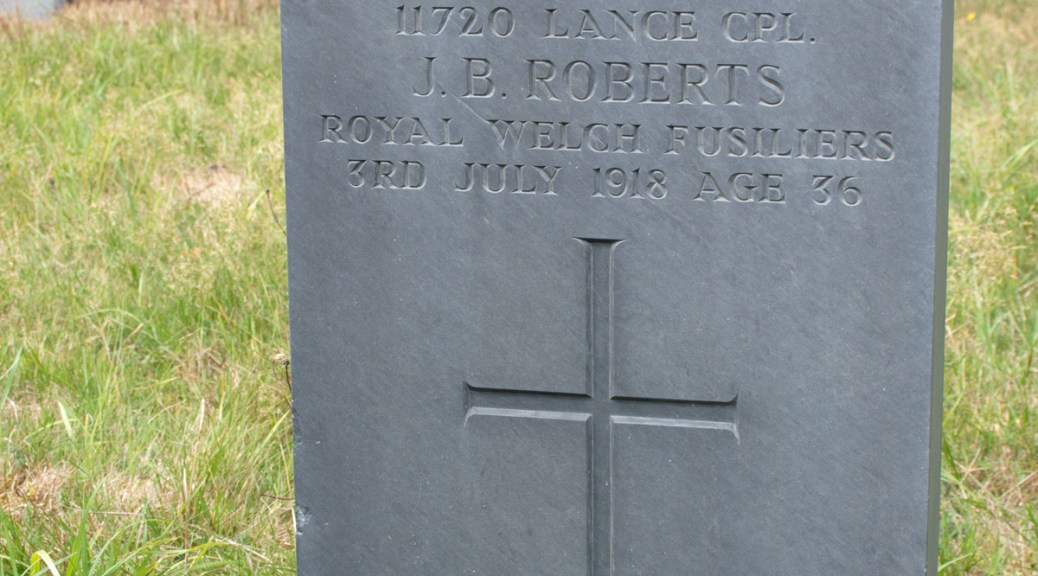
John took up his role in the timber yard again, remaining there for the next year or so. Tuberculosis was ultimately to get the better of him, however, and he passed away on 3rd July 1918, at the age of 36 years old.

John Briscoe Roberts was laid to rest in the graveyard of St John’s Church in Llangollen, Denbighshire.


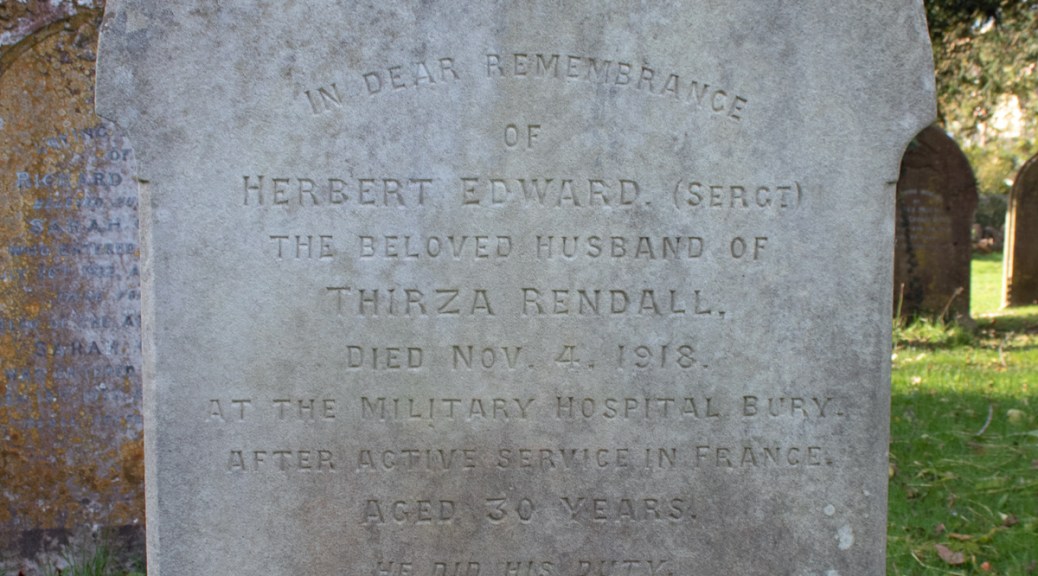
Sergeant Herbert Rendall

Sergeant Herbert Rendall

Herbert Edward Rendall was born in West Coker, Somerset, in the autumn of 1889. He was one of eight children to William and Mary Rendall. William was a foreman at a local twine factory, although by the time of the 1911 census, he had also taken on ownership of a local grocer’s shop. Herbert and his younger brother, Clifford, managed the shop for their father.

In the spring of 1913, Herbert married Thirza Shire. She was the daughter of an agricultural labourer from Yeovil and, by the time of their marriage, she had taken on work as a servant for the vicar of St Leonard’s Church in Misterton, near Crewkerne.

When war was declared, Herbert joined the Somerset Light Infantry. Sadly, little detail of his military service remains. It is clear that he was hard working and well thought of, as he progressed through the ranks to Sergeant, and transferred to the 1st Battalion of the Wiltshire Regiment.

Herbert served on the Western Front, and, as the war entered its final months, he would certainly have been involved in the Battles of the Lys, on the Hindenburg Line and in the closing Battles of the Somme.

By the autumn of 1918, Sergeant Rendall was back on home soil, either for home support, or for medical reasons. He was based in Bury, Manchester, and had fallen ill. While the full details are unclear, whatever condition he had contracted got the better of him, and he passed away on 4th November 1918. He was 29 years of age.

Herbert Edward Rendall was brought back to Somerset for burial. He was laid to rest in the quiet graveyard of St Martin’s Church in West Coker.


Records vary over the date of Herbert’s passing. While his headstone confirms 4th November, military records – and the Commonwealth War Graves Commission website – suggest the following day. Similarly, some documents suggest he was 30 when he died, while his birth and death records confirm he was in his thirtieth year.


Thirza went on to have a full life. She married again in 1923, to a Henry Tregale, and the couple went on to have a daughter. She lived to a ripe age, passing away in the autumn of 1981, at the age of 93.


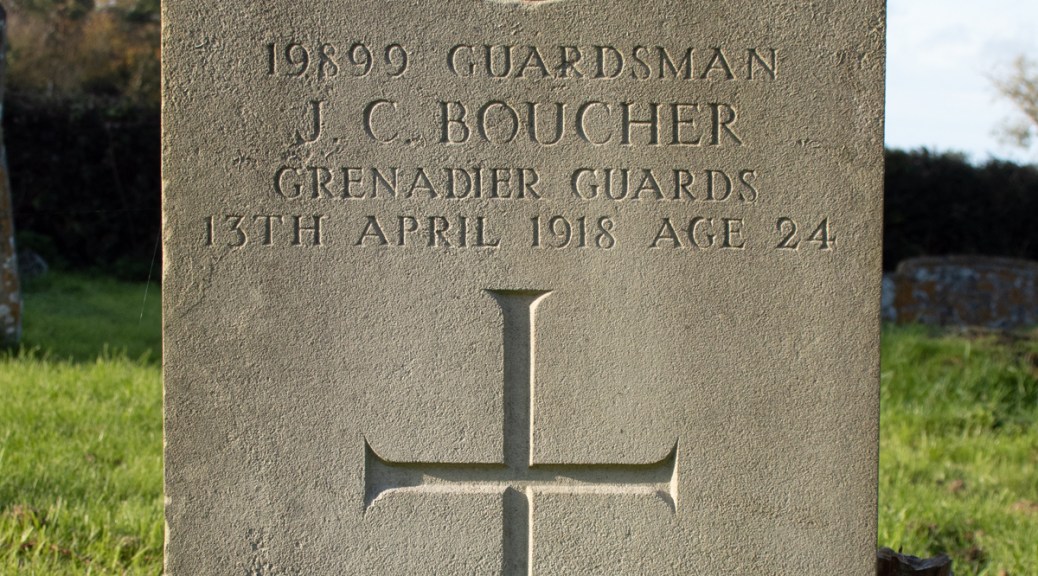
Guardsman John Boucher

Guardsman John Boucher

John Charles Boucher was born in East Coker, Somerset, in the spring of 1894. The youngest of five children, he was the son of Charles and Ann Boucher. Charles worked on the railways as a plate layer, while John found work in a local textile factory as a yarn dyer when he left school. He was a sporty young man, and became a prominent member of the nearby Stoford Football Club.

Ann died in 1914 and, when war was declared, John was keen to play his part. He had enlisted in the Grenadier Guards by the summer of 1917 and was assigned to the 5th Battalion. Full details of Guardsman Boucher’s military service are lost to time, but it is clear that he served abroad, and was wounded twice in the fighting.

John was based at Guards barracks in Kensington, London. It was here that he met Elsie Louise Vaughan, who was the daughter of a local insurance agent. The couple married at the Holy Trinity Church in Paddington on 28th June 1917.

Guardsman Boucher was soon sent to the Western Front again, however, and, in the spring of 1918, he was caught up in the Battles of the Lys. Wounded for a third time, he was medically evacuated to Britain, and admitted to the Military Hospital in Sidcup, Kent. Sadly, it was to be third time unlucky for John: his wounds proved too severe, and he died of his injuries on 13th April 1918. He was just 24 years of age.

John Charles Boucher was brought back to Somerset for burial. He was laid to rest in the cemetery of his home village, East Coker.


Tragically, just three weeks after John’s death, Elsie gave birth to their first, and only, child, a son she named after his father. She went on to marry again in the spring of 1919, to a John Bellamy. The couple would go on to have a child of their own – a daughter called Iris – the following year. John Jr died in 1972, and Elsie followed five years later, at the age of 83 years old.


Private William Saunders

Private William Saunders

William Edgar Saunders was born in the summer of 1900 in Limington, Somerset. He was one of nine children to labourer and drainage contractor William Saunders and his wife, Rhoda.

There is little further information documented about William Jr’s life. During the First World War, he enlisted in the Royal Warwickshire Regiment, and was assigned to the 5th Battalion which served in France and Italy. All that can be confirmed, however is that he joined after March 1918 – presumably once he came of age – and was sent to the North of England for training.

Tragically, Private Saunders’ tale is a common one for young men of his age. Billeted at close quarters with other men from across the country, disease was rife, and he was not immune. William was admitted to the 1st Northern General Hospital in Newcastle-upon-Tyne, suffering from a combination of influenza and pneumonia.

This combination of conditions was to prove too much for young Private Saunders’ body to bear. He passed away on 25th October 1918, aged just 18 years old.

William Edgar Saunders’ body was brought back to Somerset for burial. He was laid to rest in the graveyard of St Mary’s Church in his home village of Limington.


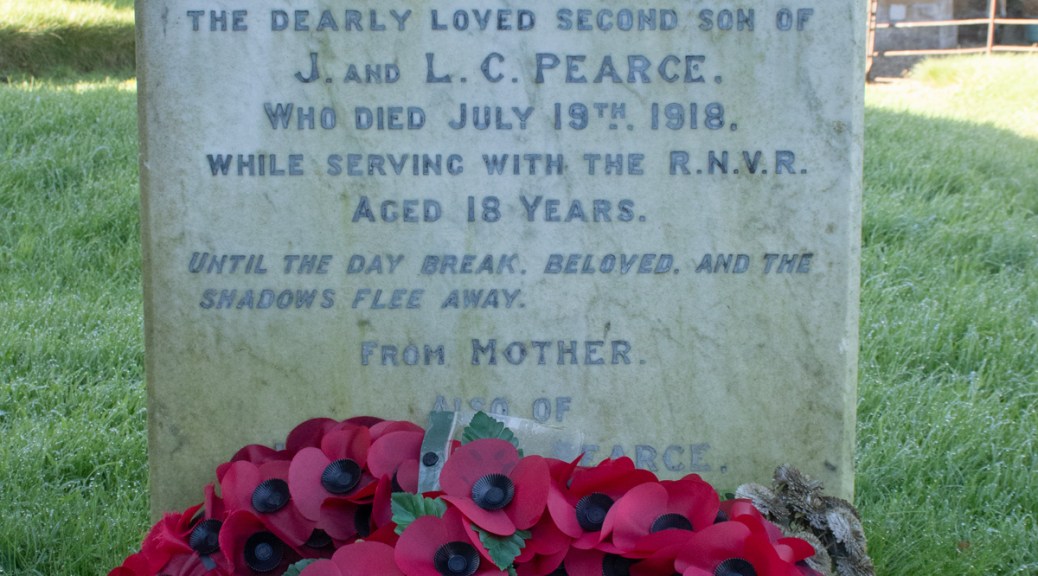
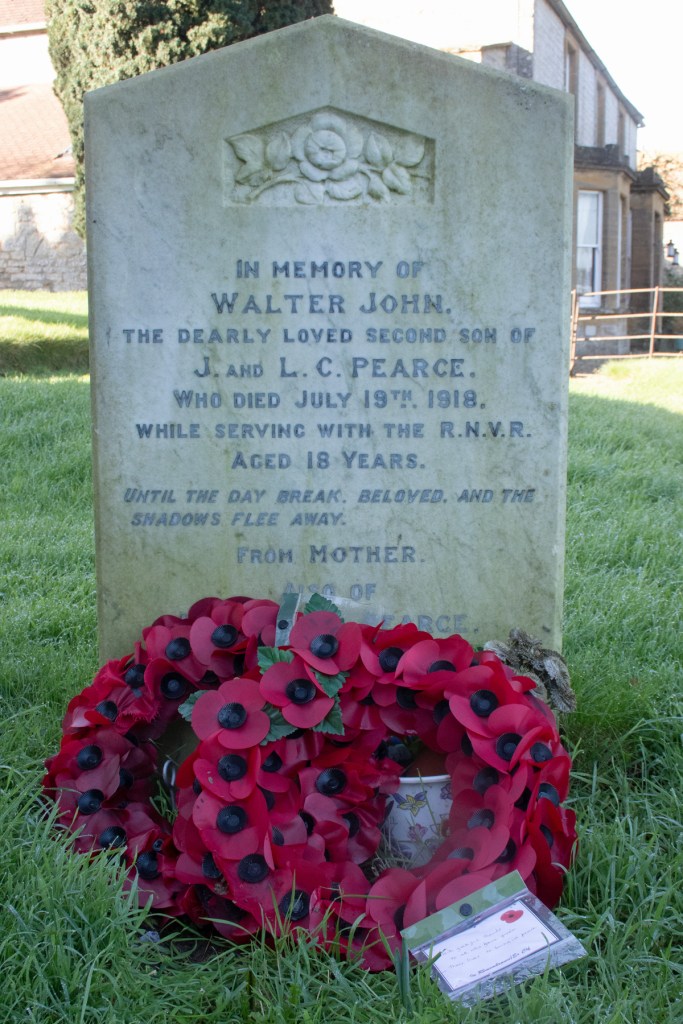
Ordinary Seaman Walter Pearce

Ordinary Seaman Walter Pearce

Walter John Pearce was born on 15th June 1900 in Clapton, East London. One of ten children, his parents were James and Lily Pearce. Both were from Somerset, but cowman James went where the work was and they soon moved back to the South West, where he and Lily were from.

When he finished school, Walter found work as an errand boy for a grocer, but war was coming to Europe and, while he was too young when the conflict began, it was clear that he wanted to play his part as soon as he was able.

Walter enlisted in June 1918, joining the Royal Naval Volunteer Reserve. His service records show that he was 5ft 8ins (1.73m) tall, and had brown hair, hazel eyes and a fresh complexion. Ordinary Seaman Pearce was sent to HMS Crystal Palace in South London for training, arriving there on 17th June 1918.

Tragically, Walter’s service was to be short. Being billeted in close proximity to other men and boys from across the country, meant that disease was readily transmitted, and Walter contracted pneumonia. Admitted to the nearby Norwood Cottage Hospital, the lung condition was to prove fatal: Ordinary Seaman Pearce died on 19th July 1918. He was just 18 years of age, and had been in active service for just 33 days.

Walter John Pearce was brought back to Somerset – where his parents were now living – for burial. He was laid to rest in the peaceful graveyard of St Mary’s Church in Mudford.


Lance Corporal James Toop

Lance Corporal James Toop

James Toop was born in the Somerset village of Galhampton on 13th January 1879. He was the fifth of eleven children to William and Elizabeth Toop. William was a farm labourer, and James followed his father’s line of work when he left school.

James disappears from documents for a while, only surfacing again in October 1914, when he enlisted for army service. At this point, he was working as a bricklayer, and notes that he had previously served in the Somerset Light Infantry. He is recorded as being 5ft 8ins (1.73m) tall, weighing 136lbs (61.7kg). He had brown hair, grey eyes, and gave his religion as Congregationalist. James also lied about his age, saying that he was 29 years and 9 months when, in fact, he would have been closer to 36 years old when he joined up.

Sapper Toop was assigned to the Royal Engineers, and spent nine months on home soil, during which time he was promoted to Lance Corporal. On 18th July 1915 he went to France, but returned just five days later.

Admitted to the Royal Victoria War Hospital in Netley, Hampshire, James was recorded as suffering the stress of campaign. He was moved to Napsbury War Hospital, near St Albans in Hertfordshire, after a couple of weeks. This institution – formerly the Middlesex County Asylum – was where servicemen suffering from shell shock were sent for rehabilitation, and Lance Corporal Toop joined the near 2,000 other residents.

James’ diagnosis was recorded as being neurasthenia with depression and, in October 1916, he was medically discharged from the army. The medical report noted that he had “had nervous breakdown, complained of vomiting of his food. Had defective memory. Had religious mania 5 years before enlistment.” While his condition was not the result of his war service, the medical board recorded that his mental debility has been aggravated by the strain.

James falls off the radar again at this point. When he recovered, he returned to bricklaying for work. In 1916 his mother died, followed a year later by his father. Both were laid to rest in the family grave in St Mary Magdalene’s Church, Sparkford, Somerset.

James Toop died on 5th July 1918 at the age of 39 years old. He was also buried in the family plot, reunited with his parents far too soon.