


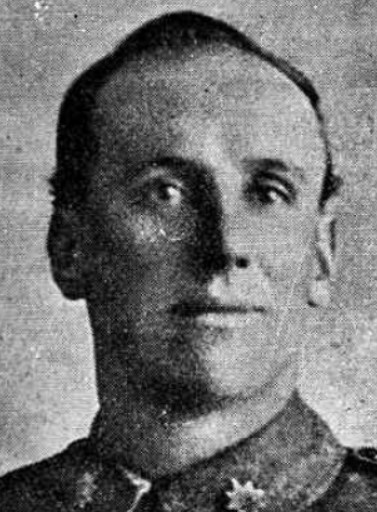
Frederick Henry Browning was born on 19th March 1884, and was the third of five children to John and Elizabeth Browning. Born in Dunedin, New Zealand, there is little information about his early life, but as he grew up, he found work as a blacksmith.
When war broke out in Europe, Frederick was working for JS Collins at the Mountain Hotel in Queenstown. By this point he had also spent three years in military service, working for the Ambulance Brigade in Nelson, at the northern tip of South Island.
Frederick stepped up to play his part, enlisting on 22nd August 1916. His service documents show that he was 5ft 7ins (1.7m) tall, and weighed 153lbs (69.4kg). A Methodist, he had black hair, brown eyes and a dark complexion.
Attached to the New Zealand Otago Regiment, Private Browning was sent to Trentham, on the North Island, for training. An asthmatic, he spent two weeks in hospital with the condition in October 1916. On 30th December 1916 his unit departed for Europe on board the SS Athenic, a White Star Line ship conscripted for troop use at the start of the war.
Frederick’s asthma returned on the journey, and he spent a further week of the journey in his sick bed. The Athenic docked in Devonport, Devon, on 3rd March 1917, and Private Browning was sent straight to the town’s military hospital, his lung condition once again affecting him.
It would not be until 14th March that Frederick eventually re-joined his unit, who were based in a camp just outside the Wiltshire village of Codford. His health was really struggling, however, and he came down with a bout of pneumonia. On 24th March he was admitted to the No. 3 New Zealand General Hospital near the camp, but the condition was to get the better of his weakened body. Private Browning passed away on 31st March 1917, at the age of 33 years old.
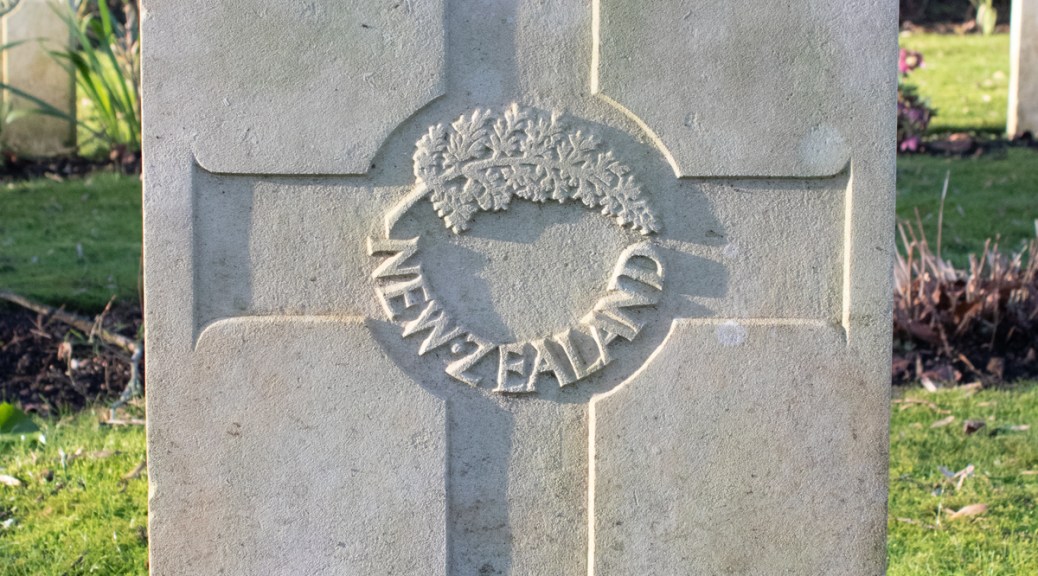
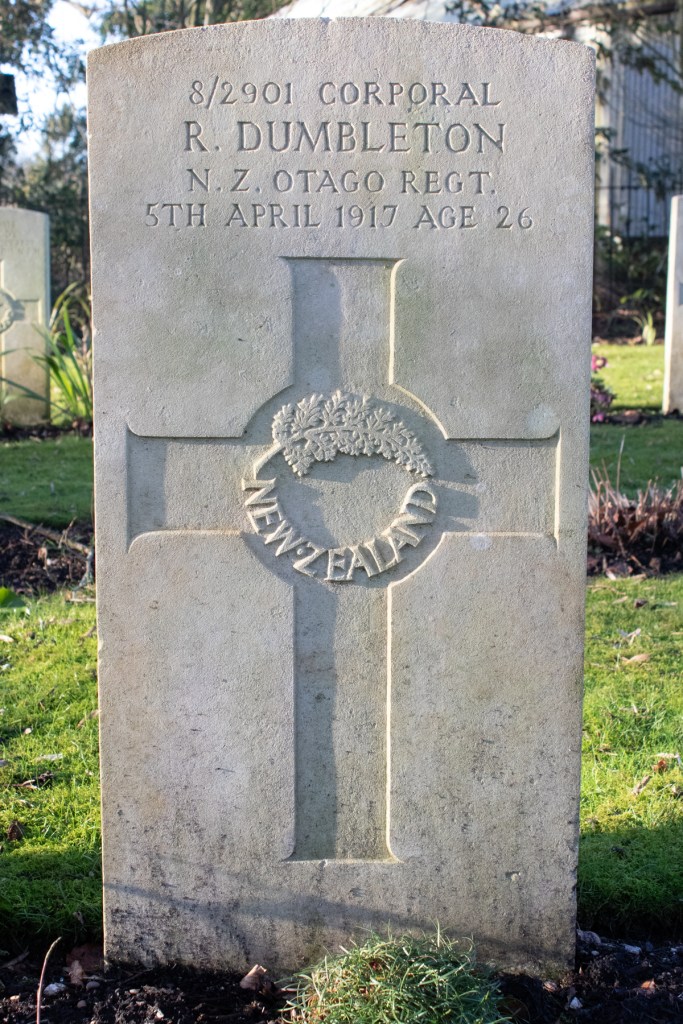
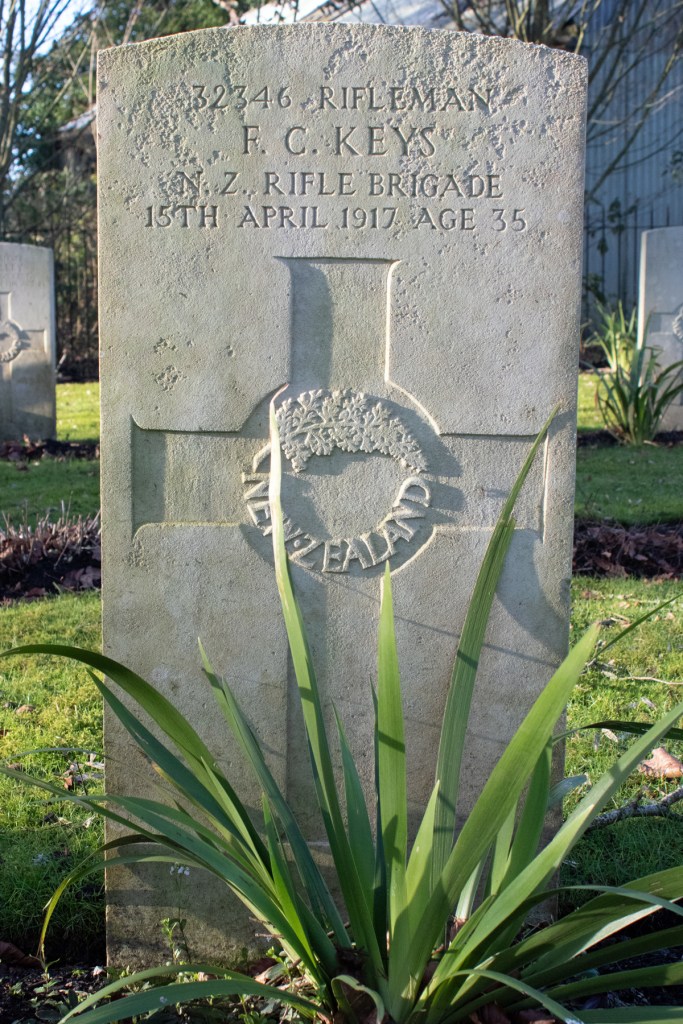
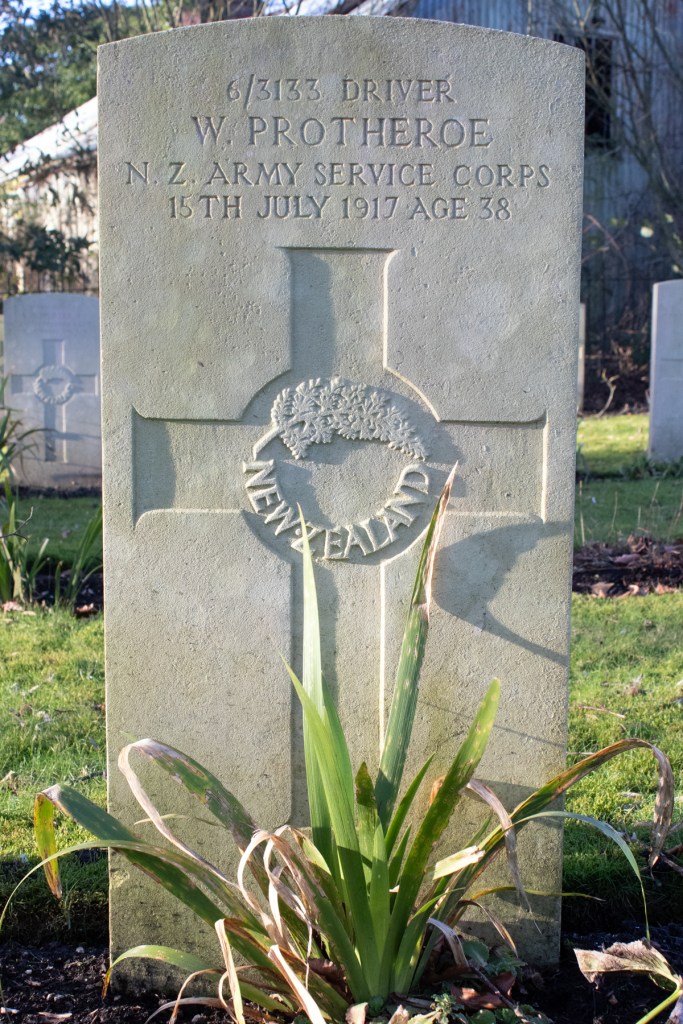
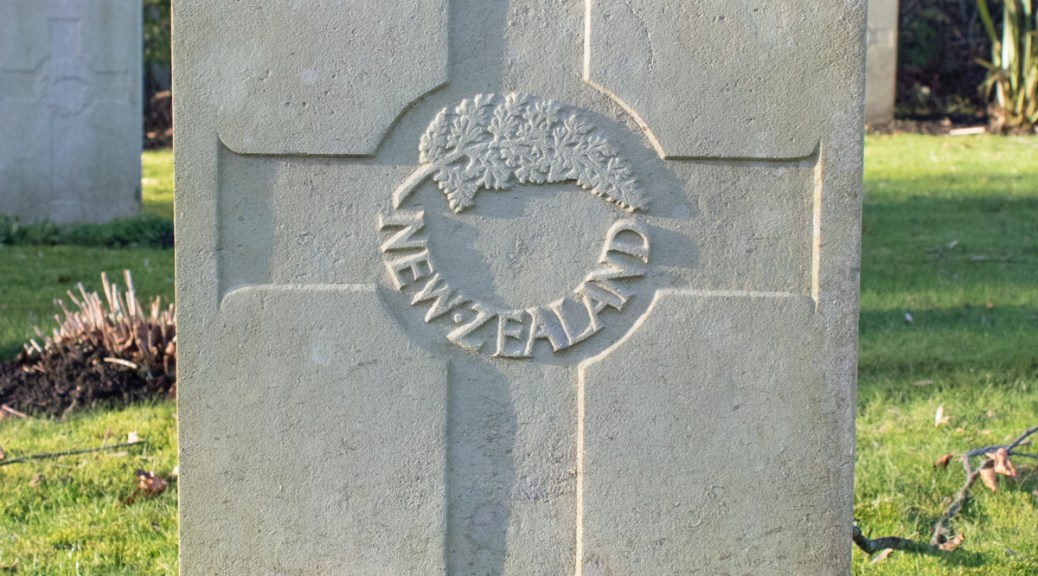
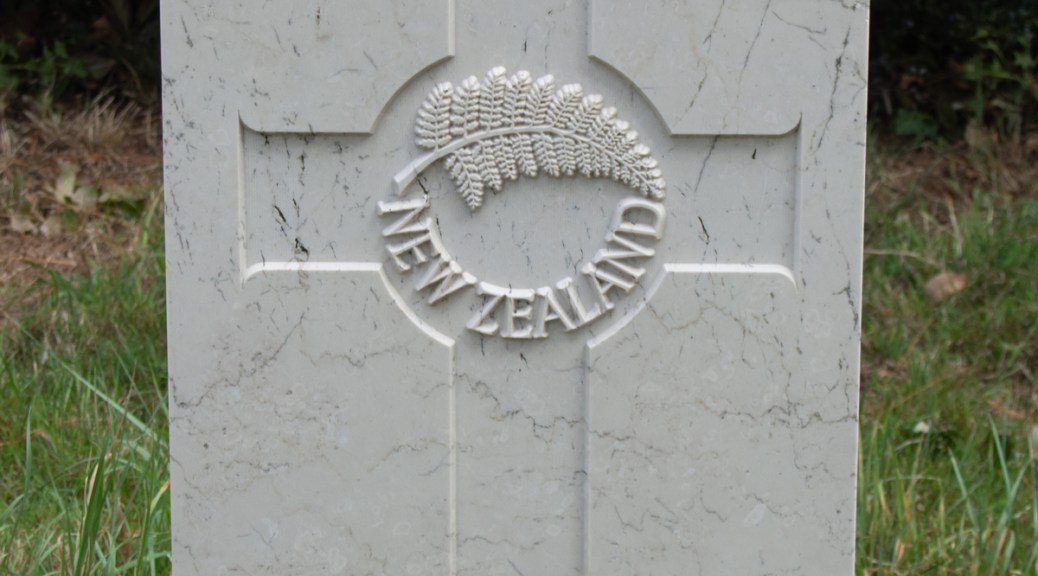
The body of Frederick Henry Browning was laid to rest in the ANZAC graveyard extension of St Mary’s Church, Codford, not far from the base he had so briefly called home.










 Death and Service