
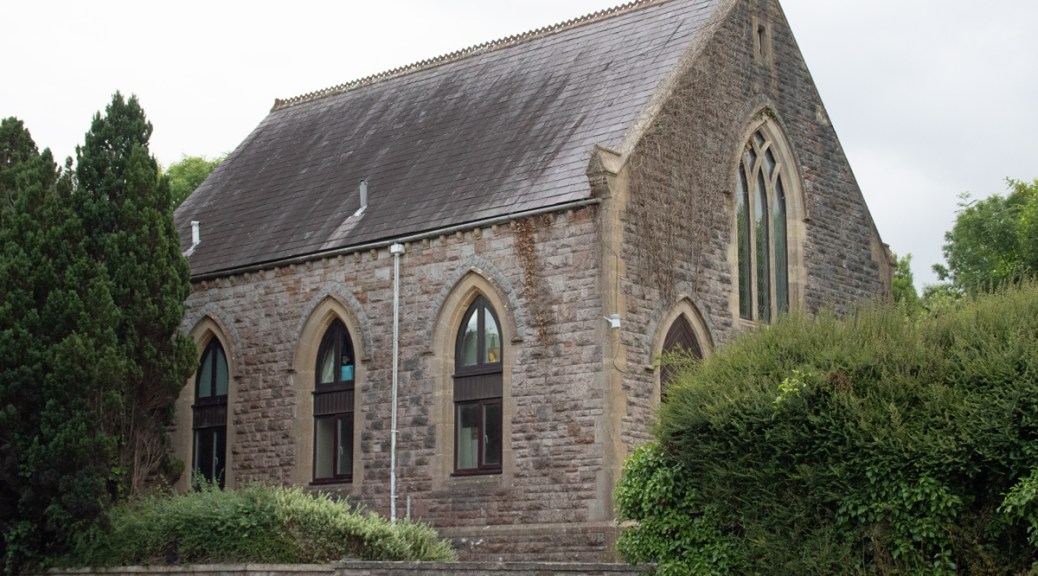
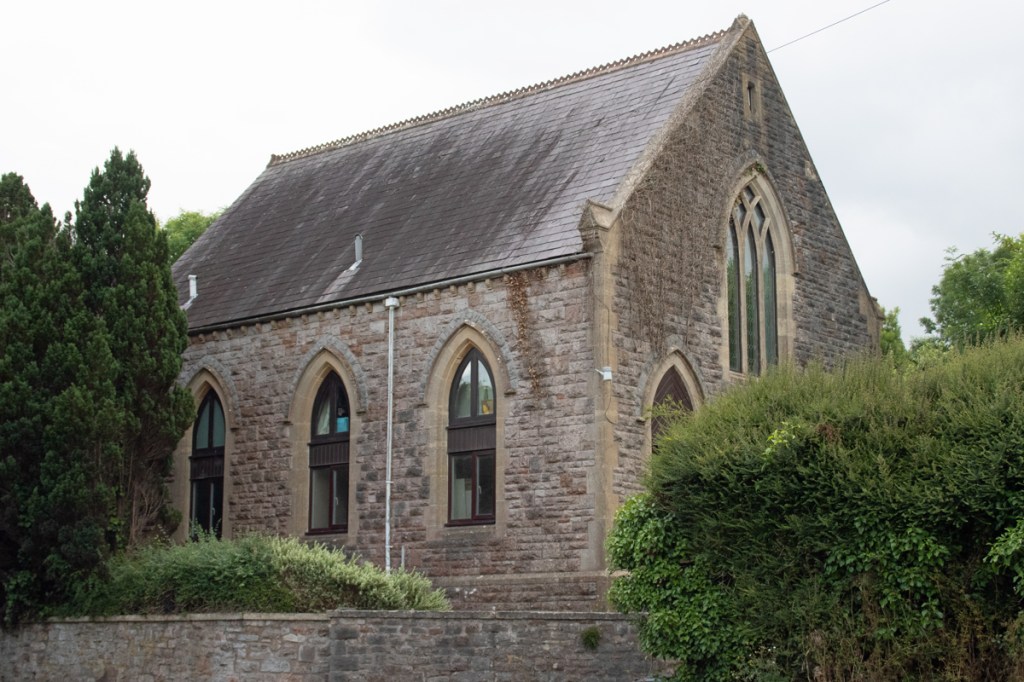
On the main road between Glastonbury and Wells, on the outskirts of the village of Coxley is the old Wesleyan Methodist Chapel. Now converted to a house, its back garden contains the remains of Private WR Parsons, who died in January 1919.
William Reginald Parsons was born on 22nd February 1895 in the hamlet of Chilton Burtle, near Bridgwater. The second of eight children, his parents were Wallace and Harriet Parsons. By the time of the 1901 census, the family had moved to Wells, where William was employed as a platelayer by Great Western Railways.
When he left school, William found employment as a paper maker, and was employed by the St Cuthbert’s Paper Mill to the west of the city. He wanted bigger and better things, however, and, on 11th April 1912, he enlisted in the Royal Marine Light Infantry.
Private Parsons’ service records show that he was 5ft 6.5ins (1.68m) tall, with brown hair, hazel eyes and a fresh complexion. It was also noted that he had a small scar on the right side of his back. Initially sent to the regiment’s depot in Deal, Kent, this is where he was tested for his swimming ability: he passed on 24th June 1912.
William remained in Deal until the end of the year. After seven months in Portsmouth, Hampshire, he embarked on a number of postings that lasted for the next six years. Initially assigned to the battleship HMS Bulwark, Private Parsons’ main posting was on board another battleship, HMS Zealandia.
Primarily based guarding the North Sea Coast, Zealandia also served in the Mediterranean, sailing as far as the Dardanelles towards the end of 1915. In all, Private Parsons spent more than three years on board the battleship.
William’s next posting was on board the cruiser HMS Royalist, on which he served until the end of the First World War. While he was on board, it appears that he became unwell, and he was admitted to the Royal Naval Hospital in Granton, near Edinburgh. Details of his condition are not readily available, but they were serious enough for him to succumb to them: he passed away on 30th January 1919, at the age of just 23 years old.
The body of William Reginald Parsons was brought back to Somerset for burial. He was laid to rest in the quiet churchyard of the Wesleyan Methodist Chapel in Coxley.

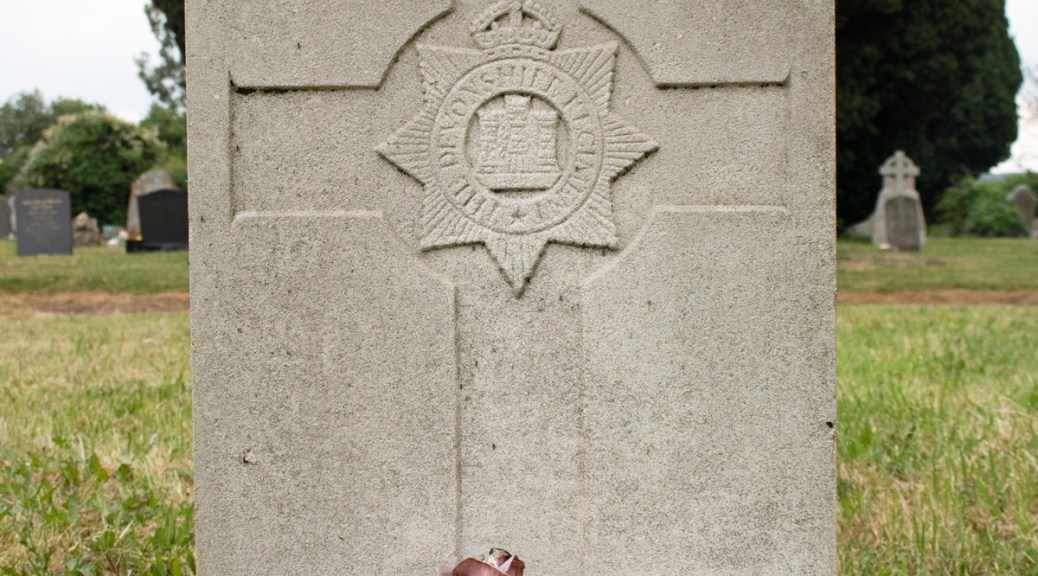
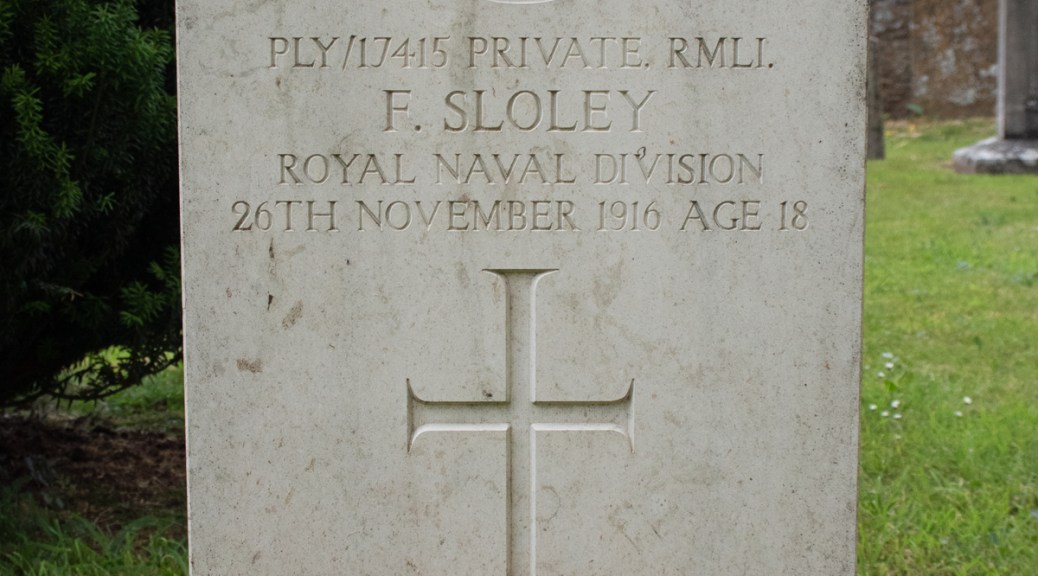
As the chapel is now a family home, its garden is not readily accessible. The photo of Private Parsons’ grave was taken by Commonwealth War Graves Commission volunteer Sharky Ward, to whom I am indebted for its use.









 Death and Service