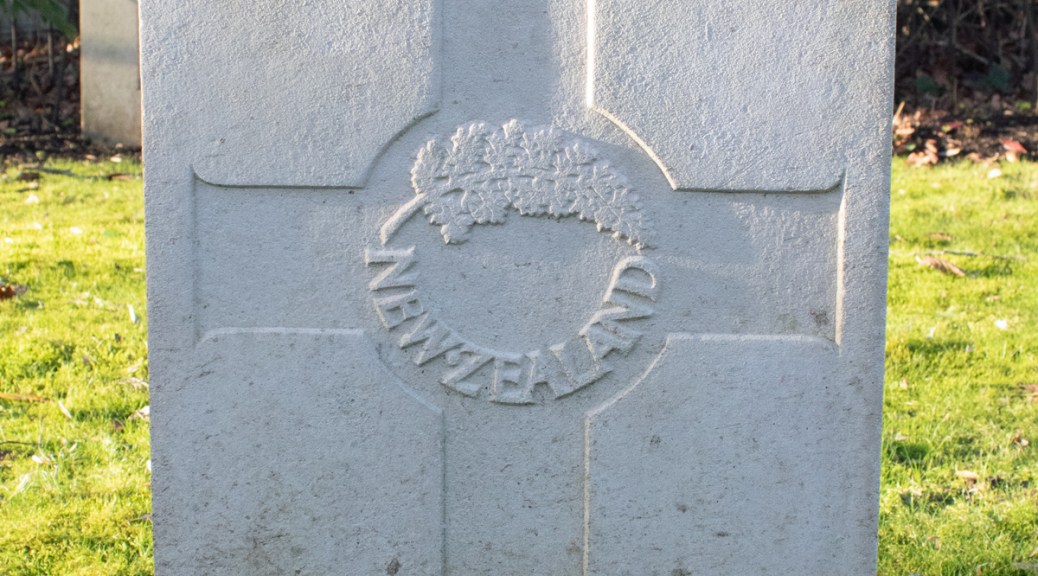
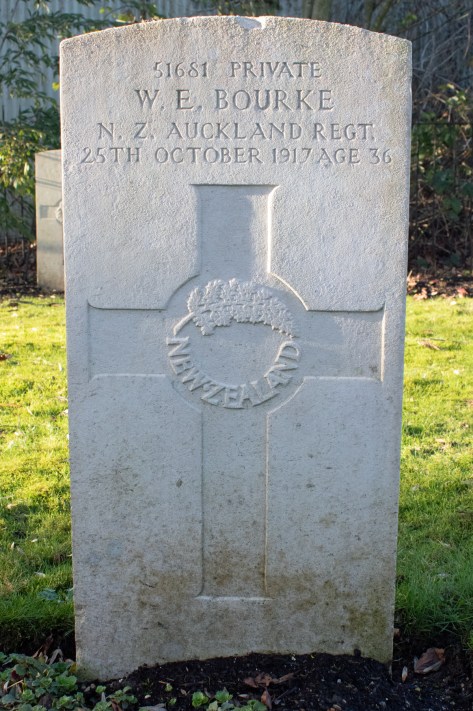
Walter Edward Bourke was born in Whangarei, New Zealand, on 6th May 1885. The fifth of six children, his parents were Patrick and Elizabeth Bourke, who had emigrated from Ireland in the 1870s.
Patrick died in 1911, at the age of 65. Walter, by this point, was working as a chamber hand in a freezing works. When war broke out, however, he was compelled to step up and serve his country. He enlisted on 22nd January 1917, and was assigned to the New Zealand Auckland Regiment.
Trained at Trentham, Private Bourke’s unit set sail for Europe on 12th June 1917. The voyage from Wellington to Devonport would take two months and, from there Walter was marched into a camp in Sling, near Bulford, Wiltshire.
Within a matter of weeks, Walter fell ill. He was sent to the No. 3 New Zealand Hospital near Codford, Wiltshire, but his condition worsened significantly over the next month. His treatment would prove fruitless, and Private Bourke passed away on 25th October 1917: he was 32 years of age.
Thousands of miles from family, Walter Edward Bourke was laid to rest in the extension to St Mary’s Church graveyard, not far from the hospital in which he had passed.
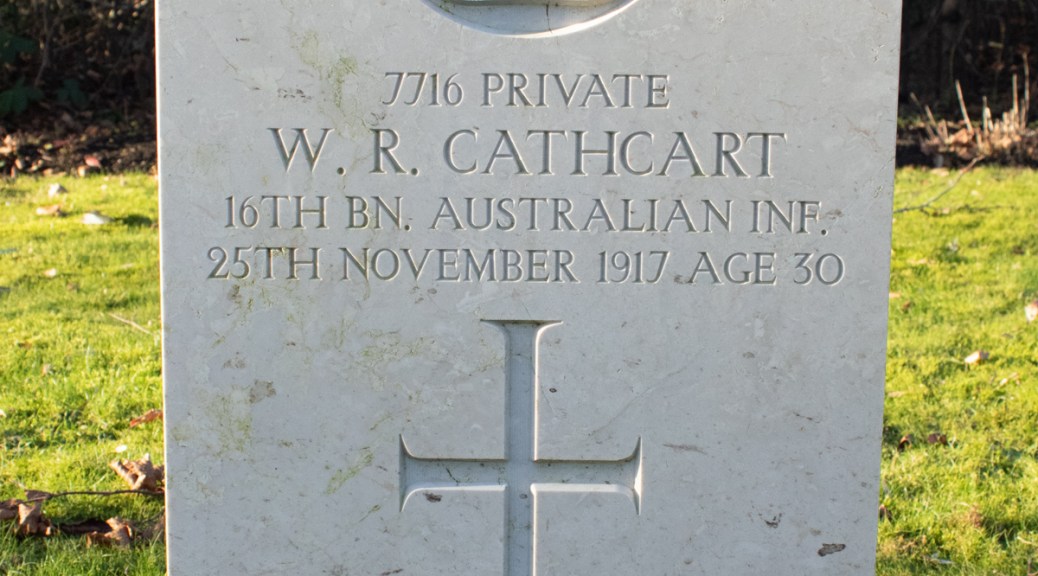
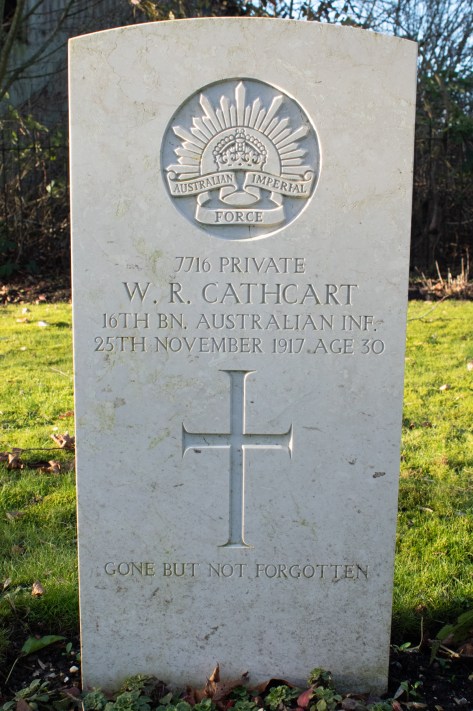
William Rea Cathcart was born in Ballymena, County Antrim, Northern Ireland, on 30th January 1887. The middle of five children, his parents were Thomas and Margaret Cathcart.
Little information is available about William’s early life, but he appears to have been a smart young man and, by his mid-20s was employed as a bookkeeper. Part of him sought a better life for himself and he took the decision to emigrate, arriving in Fremantle, Australia on board the SS Otranto on 14th November 1911.
William settled in Perth, but when war broke out, he was keen to step up and serve his King and Empire. He enlisted on 7th May 1915 but, for some reason, he wasn’t accepted for service at that time.
William did not give up, however, and he succeeded in enlisting on 30th May 1917. His service papers confirm that he was 5ft 8.75ins (1.74m) tall and weighed 150lbs (68kg). A Roman Catholic, he was noted as having brown eyes, brown hair and a fresh complexion.
Assigned to the 16th Battalion of the Australian Infantry, Private Cathcart’s unit set sail from Sydney on the troop ship A7 Medic, on the 1st August 1917. The voyage would take two months, and his unit arrived in Liverpool, Lancashire, at the start of October. It the then marched south to the ANZAC bases near Codford, Wiltshire.
It seems that the journey had exhausted William, and his health began to deteriorate. He was admitted to the camp hospital with diabetes, but moved to the No. 3 New Zealand General Hospital on 22nd November. He was emaciated and barely able to walk, constantly drinking, but eating very little.
Over the next few days, William’s condition worsened. He began getting pains in his arms and legs, was sluggish and restless. The treatment he was provided would ultimately prove too little, too late. Private Cathcart passed away at 1:05am on 25th November 1917: he was 30 years of age.
The body of William Rea Cathcart was laid to rest in the ANZAC extension to the graveyard of St Mary’s Church, Codford, not far from the hospital in which he had been treated.
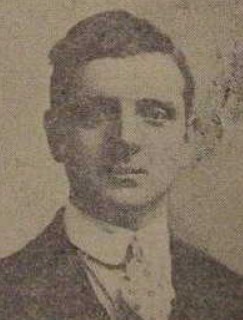
Born in Shelburne, Nova Scotia, in around 1876, the early life of Oscar Cameron is a challenge to piece together. He was one of four children to ship’s carpenter Christopher Cameron and his wife Alice.
Oscar appears to have followed his father in a sea-faring life, and his later army service records confirm that, by 1917, he was a ship’s officer. When the call came to serve the Empire, he took a discharge from his ship in Australia, and joined up.
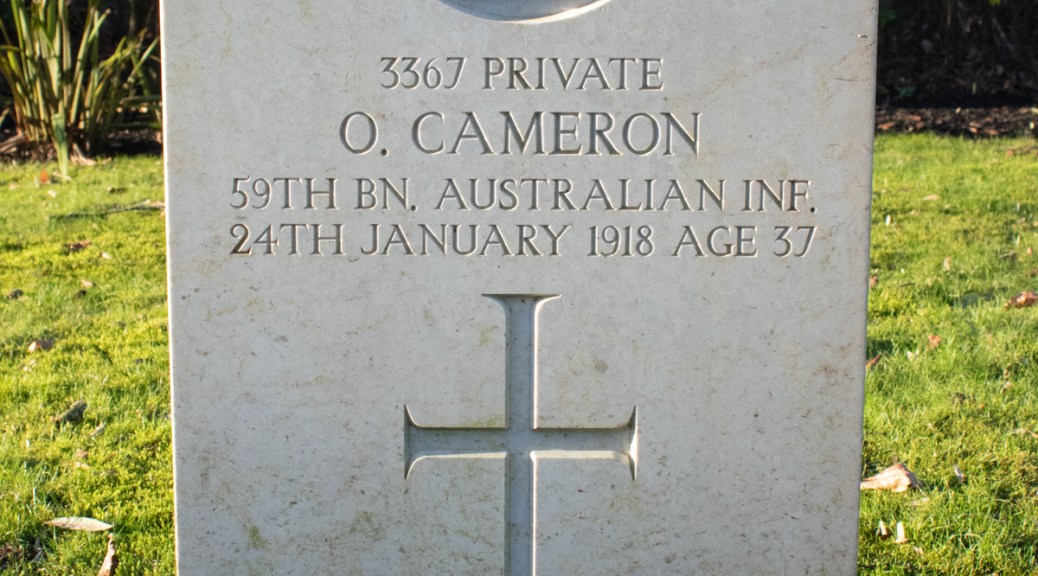
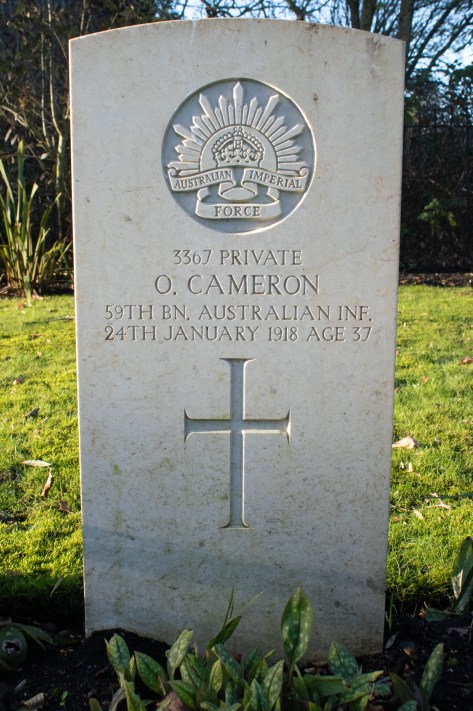
Enlisting on 20th February 1917, Oscar’s service records show that he was 5ft 6.5ins (1.69m) tall, and weighed 128lbs (50.1kg). He had fair hair, blue eyes and a fresh complexion, with a tattoo on his right forearm and a vaccination scar on his left upper arm. His age was given as 36 years and 6 months, although he was, in fact 41 by this point.
Assigned to the 59th Battalion of the Australian Infantry, Private Cameron’s unit left from Sydney on board the HMAT A16. The two-month voyage was not uneventful: Oscar spent three days in hospital with an undeclared ailment, and also forfeited two days’ pay for being absent without leave for 34hrs during the ship’s layover in Cape Town, South Africa.
The 59th Battalion disembarked in Liverpool, Lancashire, on 16th September 1917. From there it made the journey to the ANZAC camps in Wiltshire, and this is where Oscar would have continued his training.
At the start of 1918, Private Cameron’s health was suffering again. He was admitted to the No. 3 New Zealand General Hospital in Codford, Wiltshire, suffering from nephritis. Ultimately, the condition was to prove fatal: Oscar passed away at 4:45pm on 24th January 1918, aged 40.
Thousands of miles from home, it wasn’t possible for the remains of Oscar Cameron to be taken back to Canada. Instead, he was laid to rest in the ANZAC extension to St Mary’s Churchyard in Codford, not far from the base where he had received treatment.
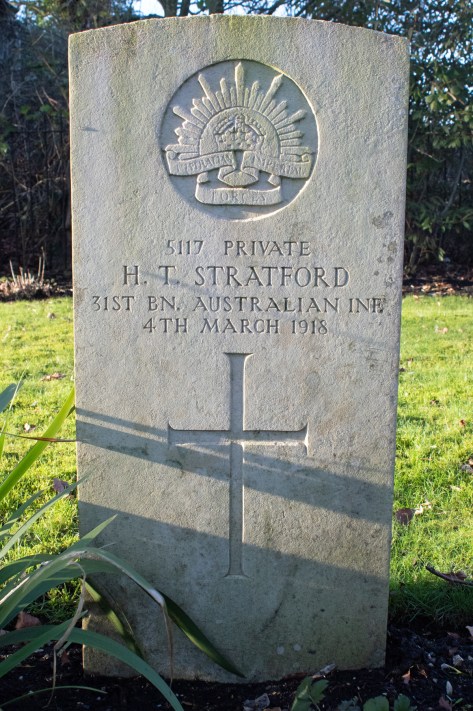
Henry Thomas Stratford was born in Southampton, Hampshire, in the autumn of 1870. The youngest of three children, his parents were John and Maria Stratford. When Henry’s father died in 1876, Maria re-married, and went on to have a further child with her new husband, James Simmons.
Maria’s husbands worked away, and likely served on ships: John was absent from the 1871 census, while James was missing from the 1881 return.
By the 1901 census, Maria had been widowed a second time. She was living at 29 Dock Street with her three youngest children – Henry, his older brother John, and his younger half-brother William. By this point, John was employed as a waterman on a barge, while Henry had also taken to the water, and was employed as a seaman.
Maria passed away in 1904, and there is little further information about Henry’s earlier life. His later army records suggest that he served in the Royal Navy for 14 years, although there are no records for his service at that time.
At some point, presumably after his time in the navy had expired, Henry emigrated to Australia. Again, details are scarce, but he was definitely there by the spring of 1917, having settled in Brisbane, and taken up work as a sailmaker.
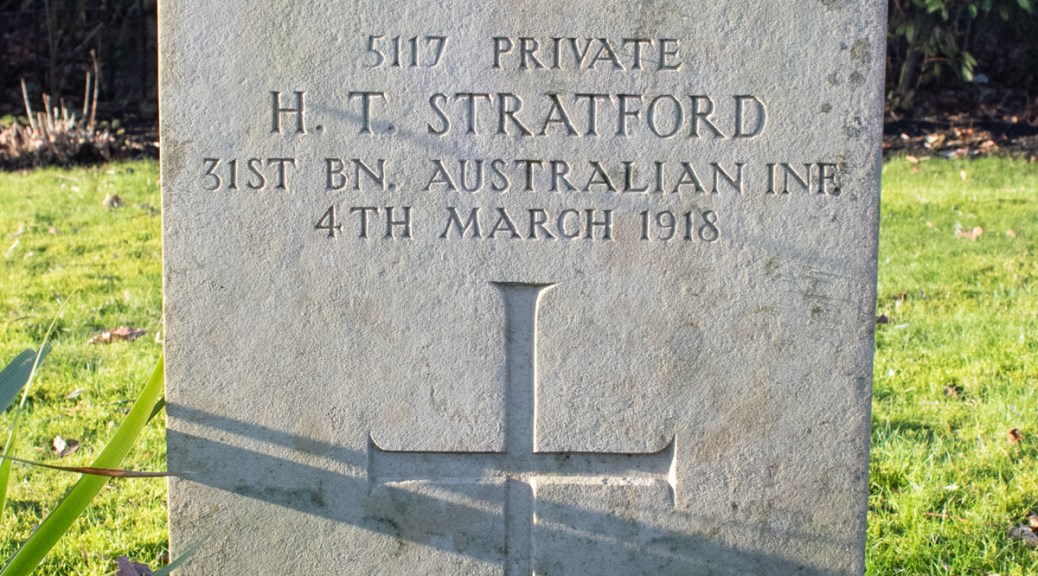
When war broke out in Europe, Henry stepped up to serve his country, enlisting in the Australian Imperial Force on 3rd Mary 1917. His records confirm that he was 5ft 4ins (1.62m) tall, and weighed in a 152lbs (69kg). With light brown hair and blue eyes, he had a fair complexion and tattoos on both of his forearms.
Assigned to the 31st Battalion of the Australian Infantry, Private Stratford set sail from Sydney on 14th June 1917. After a ten week voyage, he was marched in to Hurdcott Camp near Fovant, Wiltshire, and would remain in the ANZAC base for his training.
On 23rd February, Henry was admitted to the No. 3 New Zealand General Hospital in Codford, Wiltshire, having fallen from a train. He remained in hospital for the next week, but his head injuries would ultimately prove fatal.
An inquest was held at the New Zealand Military Hospital on Wednesday concerning the death of Henry Thomas Stratford…
Mr FAP Sylvester (coroner) conducted the inquiry, and the evidence went to show that on the night of February 23rd last the deceased man met with an accident by trying to leave a train while it was in motion, before reaching Codford GWR Station. He was picked up in an unconscious state and conveyed to the Military Hospital where he died on Monday.
Corporal John Brooks, ASC Cyclist Section, of Codford, stated that he proceeded from Warminster on the 9:45pm train to Codford on February 23rd. He was in the company of Gunner E Ford, RFA, of Boyton, and they were in the came corridor carriage as the deceased man. After leaving Warminster deceased walked down the corridor, and some time later witness found that deceased had opened the carriage door and was sitting with his feet hanging outside, apparently trying to alight from the train. Just after passing Upton Lovel [sic] crossing, he suddenly disappeared, and witness just saw him fall off the footboard. Deceased never spoke or shouted, and when the train pulled up at Codford, witness reported the matter to the military police and stationmaster, and accompanied them to the spot where deceased was found lying face downwards, his head against the main line rail. First aid was rendered and he was moved to the military hospital.
Private Claude E Thompson, Australian military police, stated that deceased had a road pass, but he had no right to travel by train. He had probably endeavoured to leave the train before it reached Codford to evade the military police.
The jury returned a verdict that deceased came to his death by trying to alight from the train and that he accidentally fell and sustained a compound fracture of the skull.
[Warminster & Westbury Journal – Friday 08 March 1918]
Henry Thomas Stratford was 47 years of age when he passed away. His body was laid to rest in the ANZAC extension to St Mary’s Churchyard in Codford, Wiltshire, close to the hospital in which he had breathed his last.
Leonard James Wort was born in the Wiltshire village of Woodfalls, on 28th September 1888. He was the second of eleven children – and the oldest son – to James and Annie Wort.
James was a sawyer, but Leonard sought a better life for himself. Initially finding work as a blacksmith’s mate when he completed his schooling, but took up a career in the Royal Navy at the start of 1907. Employed as a Stoker 2nd Class, documents show that he was 5ft 6.5ins (1.69m) tall, and that he had brown hair, hazel eyes and a fresh complexion. He was also noted as having scars on the thumb and finger of his left hand.
Leonard was sent to the training ship HMS Nelson for his initial induction. He remained there for four months, before being given his first sea-faring appointment, on board the cruiser HMS Spartiate. Over the next seven years, he would serve on nine ships in total, but his service took an unexpected route.
In February 1908, Leonard was promoted to Stoker 1st Class, and the next expected progression would have been to Leading Stoker. However, year later, while serving on HMS Hindustan, he took a different route, and became a Telegraphist. He appears to have enjoyed this role, and been more than capable of carrying it out: his annual reviews noted his superior ability on more than one occasion.
Over the next few years, Leonard spent time at HMS Victory – the Royal Naval Dockyard in Portsmouth, Hampshire – presumably to receive the training needed to undertake his role. At the start of 1911, he was promoted again, taking the rank of Leading Telegraphist.
Away from the sea, love was blossoming. Leonard had met Florence Bysouth, a casemaker’s daughter from Bankway, Hertfordshire. The couple exchanged their vows in Bromley, Kent, but had set up home in Poplar, East London.
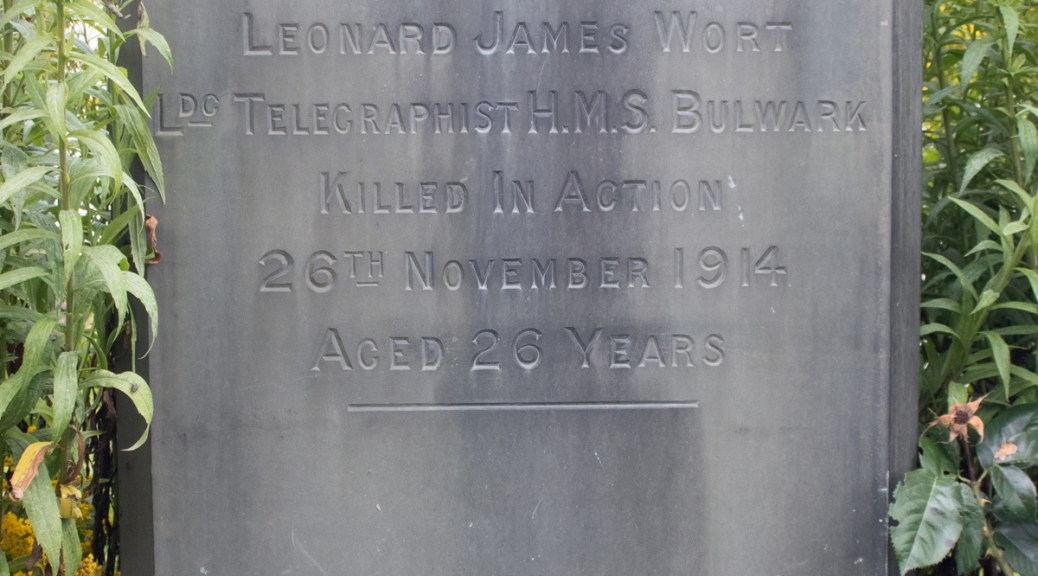
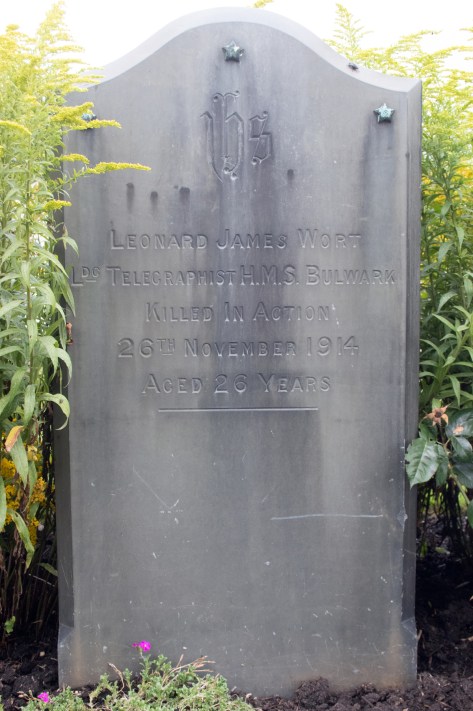
In November 1912, Leading Telegraphist Wort was assigned to the pre-dreadnaught battleship HMS Bulwark. Part of the Channel Fleet, she was tasked with patrolling the southern coasts of Britain. On 26th November 1914, Bulwark was moored in the River Medway, close to Sheerness, and was being stocked with shells and ammunition. That morning, some of the cordite charges overheated, detonating the shells stored nearby. The resulting explosion ripped through the battleship, and more than 740 crew were killed. The body of Leading Telegraphist Wort was recovered: he was 26 years of age.
Those who were killed in the explosion were laid to rest during a mass funeral in Woodlands Cemetery, Gillingham, Kent. As his body had been identified, Leonard James Wort was laid to rest in a marked grave.
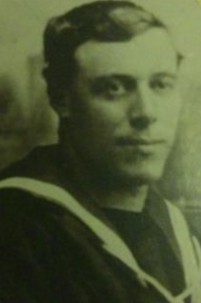
Leading Telegraphist Leonard Wort (from findagrave.com)
Leonard was not the only one of the Wort sons to sacrifice his life during the First World War. His younger brother, Alfred, also enlisted in the Royal Navy, giving up his role as footman and valet to serve as an Officer’s Steward.
Alfred’s service records show that he was attached to HMS Vivid – the Royal Naval Dockyard in Devonport – when, on 4th April 1918, he drowned. He was 26 years of age, and left a widow and son.
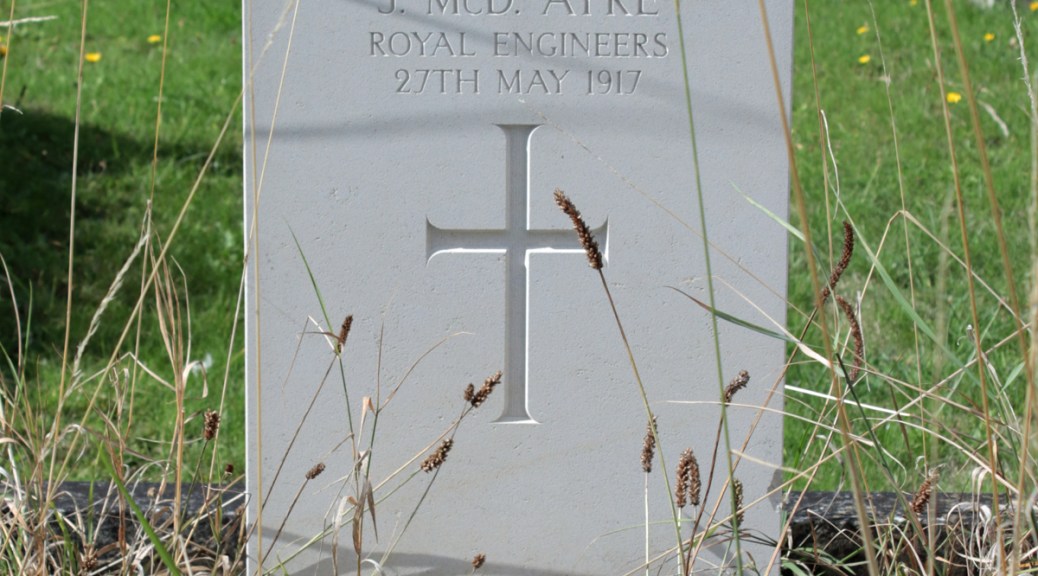
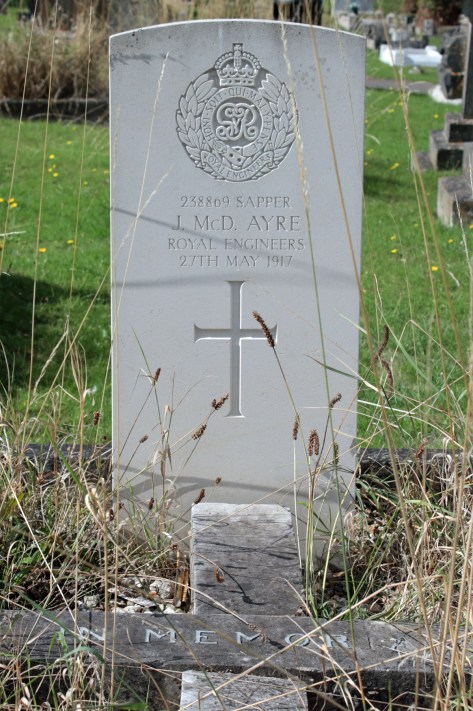
John MacDonald Ayre was born in Hemel Hempstead, Hertfordshire, in 1891. His father – also John MacDonald Ayre – had been born in Edinburgh, but had moved south to take up a job as a passenger clerk for the railways. He had met his wife, Rosa, there, and they had married in 1890. John Jr was their eldest child, and they would go on to have five more although, tragically, only three survived childhood.
John Jr also found employment with the railway company when he finished his schooling. The 1911 census found him working as a goods clerk, and he was living with his family at 16 Bridge Road in Hemel Hempstead town centre.
On 8th September 1915, John Jr married Mabel Langdon. She was a postman’s daughter from Westbury, Wiltshire, and, at the time of the 1911 census, she was working as an under-housemaid for Edward Innes, a barrister in her future husband’s home town. The couple married in Westbury Parish Church.
When war broke out, John Jr was called upon to play his part. Little information is available about his time in the army, but is it clear that he had enlisted by the end of 1916, and had joined the Royal Engineers as a Sapper. His background made him ideal for the regiment’s Railway Operating Division.
There is no evidence that Sapper Ayre spent any time overseas, and, by the spring of 1917, he was based in Shropshire. He had been unwell and was admitted to a military hospital in Shrewsbury, suffering from tuberculosis. The condition was to get the better of him, and he passed away on 27th May, at the age of 26 years old.
The body of John MacDonald Ayre was taken back to Wiltshire for burial. He was laid to rest in Westbury Cemetery.
Tragically, Mabel was pregnant when her husband died. She gave birth to their son, who she named John, on 14th July 1917.
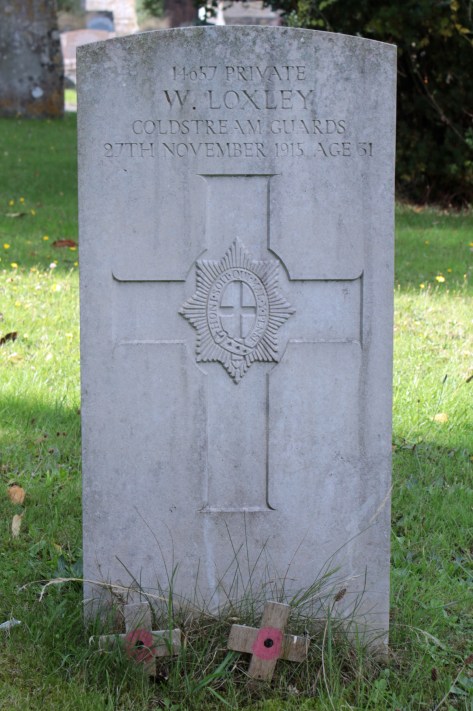
LOXLEY, WILLIAM, Private, No. 14657, 4th Battn. Coldstream Guards, eldest s. of the late William Loxley, Engine Fitter, by his wife, Ellen, dau. of the late Edward Stringer; b. Ecclesfield, co. York, 26th Oct. 1885; educ. there; was a stove and grate fitter; volunteered and enlisted 9 Jan. 1915; went to France, 15 Aug. 1915, and died in Convalescent Home, Westbury, co. Wilts, 27 Nov. 1915, of wounds received in action during the Battle of Loos, 27-29 September 1915. He m. at Grimsby, 4 Aug. 1912, Edith Mary (3, Burton Street, Langsett Road, Sheffield, widow of Philip Munty, and dau. of the late Frederick Charles Unwin.
De Ruvigny’s Role of Honour
William was the second of four children to William and Ellen. The family lived at 50 Town End Road in Ecclesfield, a small stone-built cottage overlooking grassland on the edge of the village.
Aside from his entry in de Ruvigny’s Role of Honour, there is no further information about his widow, although the British Army Register of Soldiers’ Effects names both Edith and William’s nephew – Faedon Muntz – as beneficiaries.
Injured at Loos, a local newspaper provided an obituary:
Giving up his profession for the Army, [William] was drafted out to France, and received a bullet through the forehead. After a long treatment in hospital he was, a fortnight ago, invalided home for ten days, leaving only a few days ago, then appearing to making rapid progress. He had a relapse, and on Friday his memory left him. Later he became delirious and passed away.
[Sheffield Daily Telegraph: Monday 29th November 1915]
William Loxley died at the Haywood House Hospital in Westbury, Wiltshire, on 27th November 1915: he was 30 years of age. His body was laid to rest in the town’s cemetery.
Frederick William Collier was born in the autumn of 1891. The oldest of four children, his parents were weavers Frederick and Annie Collier. Annie died in 1899, and her widow re-married. The 1911 census found the extended family – Frederick Sr, new wife Rose, Frederick Jr, two of his siblings and his three half-siblings – living at 30 New Prospect Buildings, Westbury, Wiltshire, their home town.
When Frederick Jr completed his schooling, he found work as a grocer’s labourer. War broke out in 1914, however, and he felt drawn to play his part. Full details of his military service have been lost to time, but it is clear that he had enlisted early in the conflict, and certainly by the start of 1915.
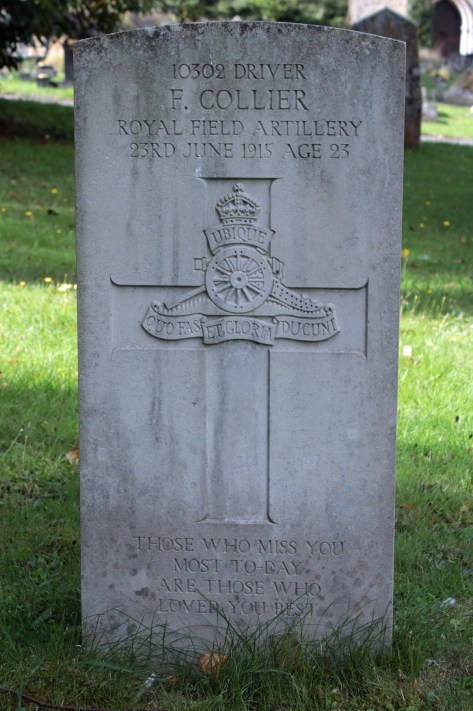
Driver Collier was assigned to the Royal Field Artillery, and was attached to the 59th Brigade Ammunition Column. He was sent to Surrey for training, unbeknownst to his unit, in preparation for the Gallipoli campaign. Frederick, however, was not to get his chance to be involved.
Frederick William Collier… died on Wednesday last week from injuries received while attempting to stop horses which were stampeding in his camp, the Ammunition Column, 59th Brigade, at Milford (Surrey)… Collier… was well known in Westbury, and was popular amongst his comrades, and the greatest sympathy is extended to his parents in their bereavement. The young fellow died the same day the accident happened in the hospital at Aldershot.
[Wiltshire News: Friday 2nd July 1915]
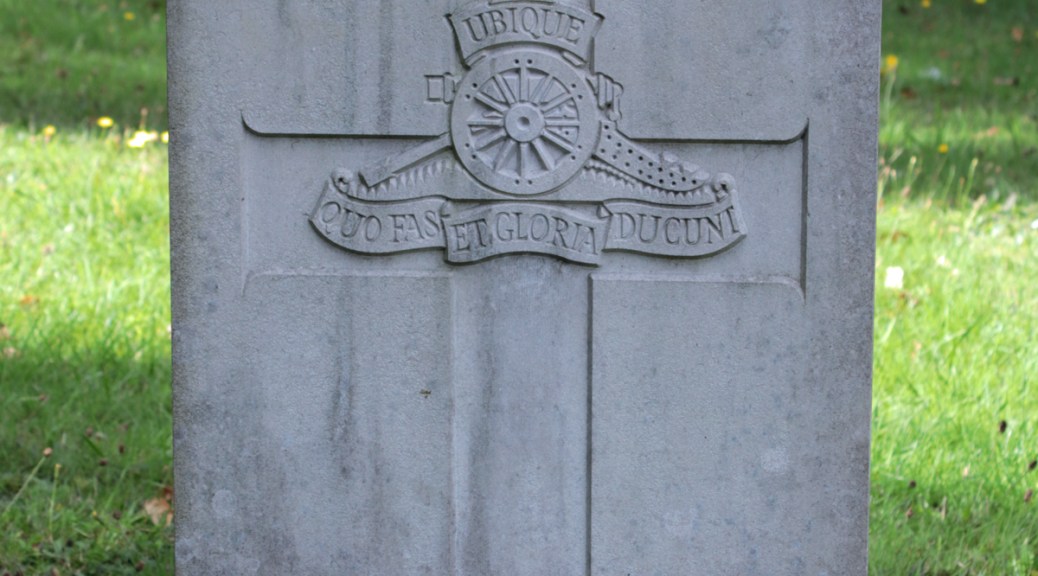
Driver Frederick William Collier succumbed to his injuries on 23rd June 1915. He was 23 years of age. His body was taken back to Wiltshire for burial, and he was laid to rest in Westbury Cemetery, not far from where his grieving parents still lived.
Ernest Ritchens was born in the summer of 1872 in the Wiltshire village of Semington. The youngest of nine children, he was one of seven boys to Isaac and Sarah Ritchens. Isaac was a farm labourer, and this is a job into which Ernest also followed when he completed his schooling.
Farming was not something Ernest wanted to be in for the long term, however, and, after the death of his parents – Isaac in 1895, and Sarah four years later – he joined the army. Details of his military career have been lost to time, but it seems that he joined the Wiltshire Regiment and, as a Private, spent time in South Africa. By the time he was stood down, he had risen to the rank of Lance Corporal.
Back home and, in the summer of 1907, Ernest married Sarah York, a wheelwright’s daughter from Hilperton near Trowbridge, Wiltshire. The newlyweds would set up home in the village, and go on to have four children. The 1911 census found the young family living on Devizes Road, Ernest back working as a farm labourer.
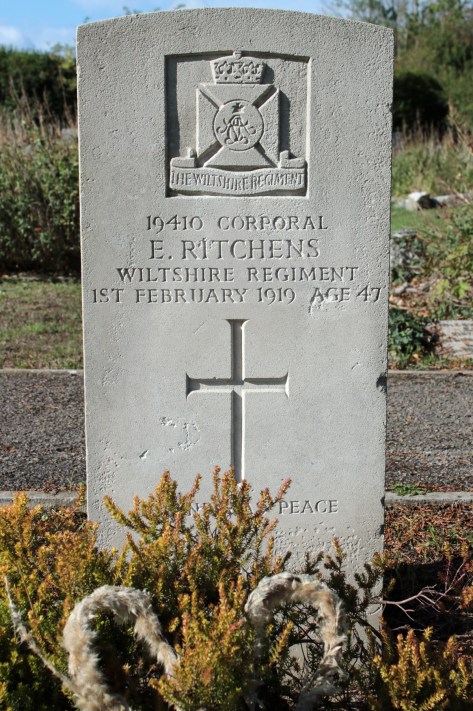
When war broke out, Ernest was again called upon to play his part . He was given the rank of Corporal, and attached to the Wiltshire Regiment (although other records he was assigned to the Hampshire Regiment). He did not appear to have spent any time overseas and, was soon transferred over to the 160th Company of the Labour Corps.
DEATHS
RITCHENS – On February 1st, at No. 1, Australian Hospital, Sutton Veny, Corporal Ernest Ritchens, of the Labour Corps, and formally of the Wilts Regiment, resident of Hilperton…
[Wiltshire News: Friday 7th February 1919]
Ernest Ritchens was 46 years of age when he passed away in 1919. While the cause us not reported, it is likely to have been an illness of some sort. His body was taken back to Hilperton, and he was laid to rest in the village cemetery.
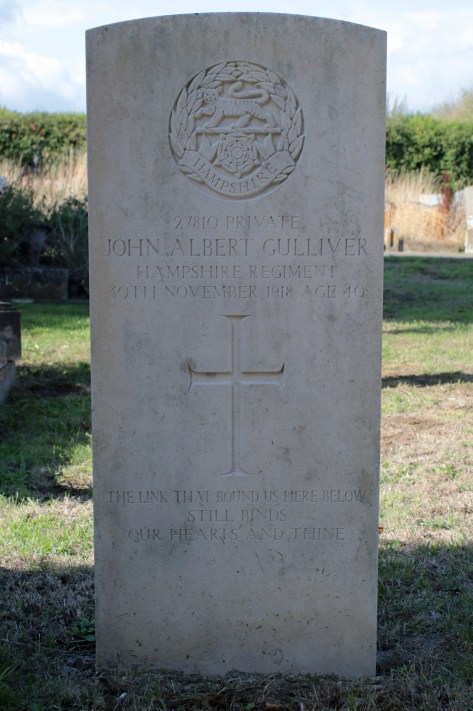
John Albert Gulliver was born in the summer of 1878. He was the second of six children – and the first boy – to farmers John and Ruth Gulliver. The family were raised in the Wiltshire village of Steeple Ashton, but had moved to Hilperton, on the outskirts of Trowbridge, by the time their eldest son had turned ten years old.
John Jr found work as a builder’s labourer when he finished his schooling. The 1911 census recorded him as living with his parents and sister on Horse Road, Hilperton, although the document suggests he was working in Edington, six miles to the south of the village. The Gulliver family also had a visitor – Bristol-born Albert Davies, who was a Lance Corporal in the Coldstream Guards.
When war broke out, John Jr was called upon to play his part. His service records have been lost to time, but it is clear that he had joined up by 1917. There is some confusion over his military service, however.
The Commonwealth War Graves Commission records give Private Gulliver’s initial unit as the 3rd Battalion of the Hampshire Regiment, and he was awarded a ‘wounded stripe’ following an injury on 10th September 1917. However, John’s Medal Roll Index Card suggests he joined the Duke of Cornwall’s Light Infantry. Either way, Private Gulliver did not appear to spend any time overseas and, by the autumn of 1918, he had transferred to the 442nd Agricultural Company of the Labour Corps.
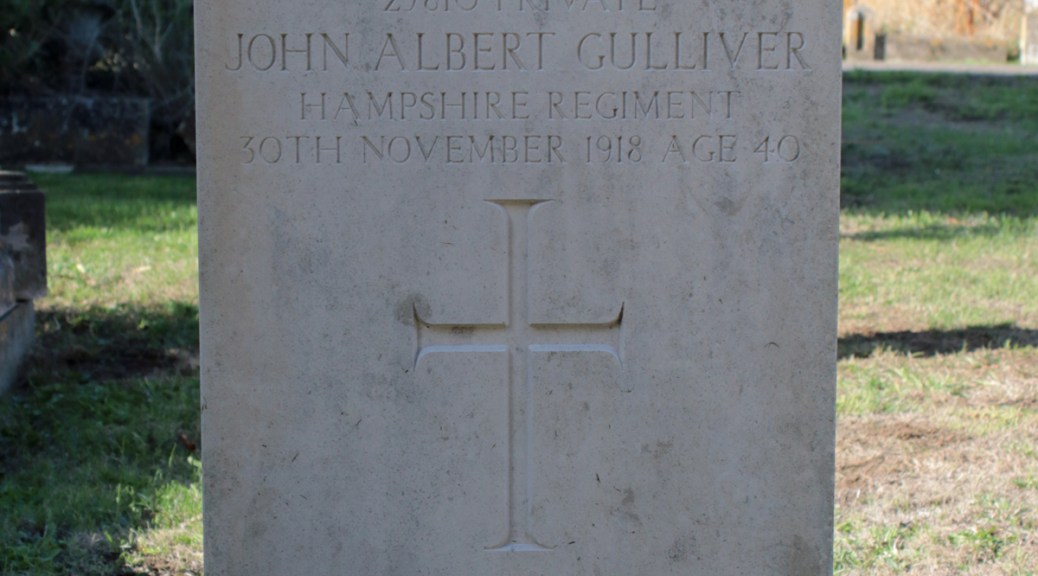
Private Gulliver survived the war, but his health had been impacted. He had contracted pneumonia, and passed away at home on 30th November 1918. He was 40 years of age.
The body of John Albert Gulliver was laid to rest in the tranquil grounds of Hilperton Cemetery, not far from where his grieving parents still lived.


 Death and Service