Tag Archives: Scotland

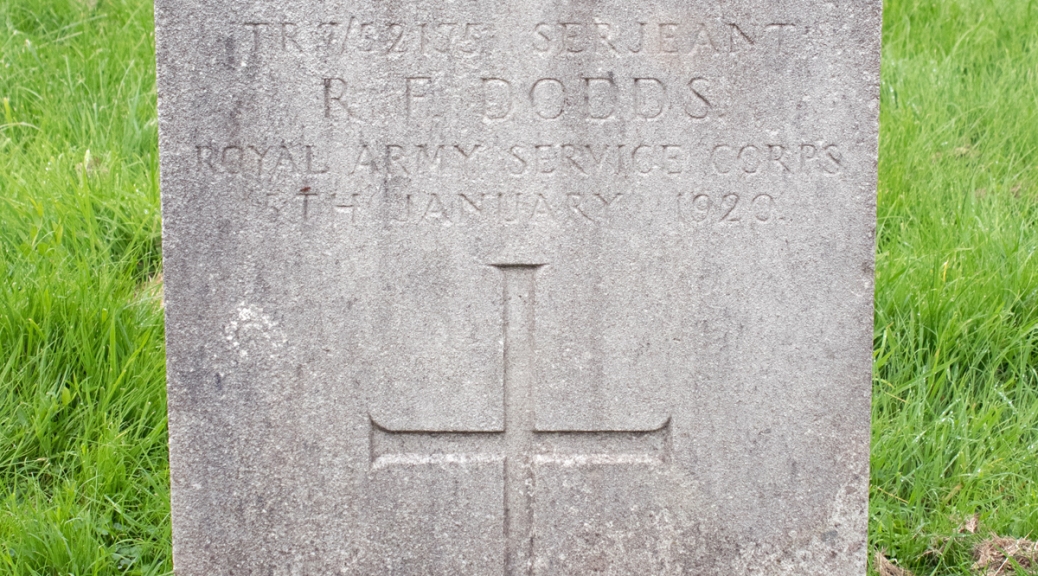
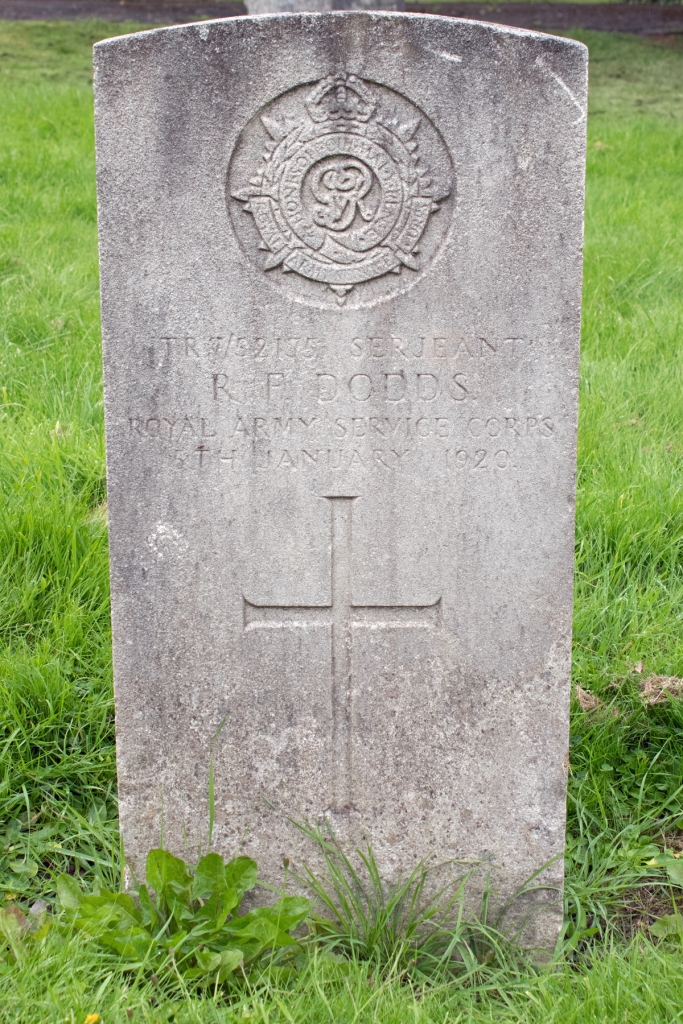
Serjeant Robert Dodds

Serjeant Robert Dodds

Robert Frederic Dodds was born in 1874 in Darlington, Country Durham. The third of nine children, his parents were Robert and Elizabeth Dodds. Robert Sr was a carter and furniture remover and, when he finished his schooling, Robert Jr joined his father in his work.

Robert Sr died in 1898, at the age of 61. Whether this was a catalyst for his son to move on is unclear, but by the following year, Robert Jr was working as a labourer in Weston-super-Mare, Somerset. On 16th September 1899, he married Elizabeth Counsell, a fisherman’s daughter from the town.

It seems that Robert was keen to build a life for his new wife: the next census, taken in 1901, found the couple living in Cardiff, Glamorgan, where he was employed as a stone mason. The Dodds remained in Wales for the next decade, having three children – Lily, William and Rosie – there. By the spring of 1911, however, they were back in Somerset, living in a three-roomed cottage in Castle Street. Elizabeth had had a fourth child just a month before the census, with a second son, Bertie, adding to the family.

When war came to Britain, Robert stepped up to play his part. He initially joined the Royal Army Veterinary Corps as a Private, and found himself in France on 6th March 1915. Elizabeth, meanwhile, remained at home in Somerset, seeking support from her family. With four children to look after, her workload was to increase again when, just a week after Robert arrived on the Western Front, she gave birth to their fifth child, the patriotically named Frederick Gordon Kitchener Dodds.

Robert remained in the Royal Army Veterinary Corps for the next four years, rising to the rank of Serjeant. Details of his time in the service are unclear, but he survived the war and, on 11th July 1919, he transferred to the Royal Army Service Corps.

Little further information is available about Robert’s life. By the winter of 1919/1920, he was based in Midlothian, Scotland. He was admitted to the 2nd Scottish General Hospital, Edinburgh, although his condition is unclear. Whatever it was, it was to be fatal: he passed away on 6th January 1920, at the age of 45 years old.

Robert Frederic Dodds’ body was taken back to Somerset for burial. He was laid to rest in Highbridge Cemetery.


Regimental Serjeant Major John Wimble

Regimental Serjeant Major John Wimble

John Henry Wimble was born in the autumn of 1870, in Bathampton, Somerset. One of seven children, his parents were William and Charlotte Wimble. Charlotte had been married before, but her husband, John Eastment, had died in 1862, leaving her with three children to raise. She remarried in 1864, and William helped support the growing household.

John sought an escape to adventure and, when he finished his schooling, he enlisted in the army. Full service records are not available, but by the time of the 1891 census, he was noted as being a Private in the Somerset Light Infantry, and was living in barracks in Farnborough, Hampshire.

In the autumn of 1891, John married Eliza Hammond. She had been born in Calne, Wiltshire, and, at the time of their wedding, which took place in Bath, she was working as a parlour maid. The couple would go on to have two children, Percy and Victor.

John completed his army service and, according to the 1911 census, the family had settled in Cheddon Fitzpaine, to the north of Taunton. He was noted as being an army pensioner and that he was working as a warehouseman in the government stores. By the time war broke out, the family had moved to Burnham-on-Sea, where John had taken up the role of caretaker at the local Institute.

The war has cost another gallant local soldier, in the person of Sergt.-Major Wimble, of the Somersets, his life. This brave man re-joined the Army when war broke out on condition he could go to the Front. He was wounded, and died in a hospital at Edinburgh. The War Office had the remains sent to Burnham on Tuesday, where they were placed in St Andrew’s Church, and a large attendance of the public and the [Volunteer Training Corps] attended the funeral on Wednesday.

Taunton Courier and Western Advertiser: Wednesday 17th November 1915

John had been assigned to the 6th (Service) Battalion on re-enlisting, and was quickly sent to the front. Caught up in the Action of Hooge and the Second Attack on Bellewaarde, he was medically evacuated to Britain in the autumn of 1915, and passed away on 4th November, at the age of 45.

Here, though, accounts differ slightly. While the newspaper report suggests that he died of his wounds, the Army Register of Soldiers’ Effects gives the cause of death as gastritis.

After the funeral at St Andrew’s Church, John Henry Wimble’s body was laid to rest in Burnham Cemetery.


Regimental Serjeant Major John Wimble
(from findgrave.com)

Private William Parsons

Private William Parsons

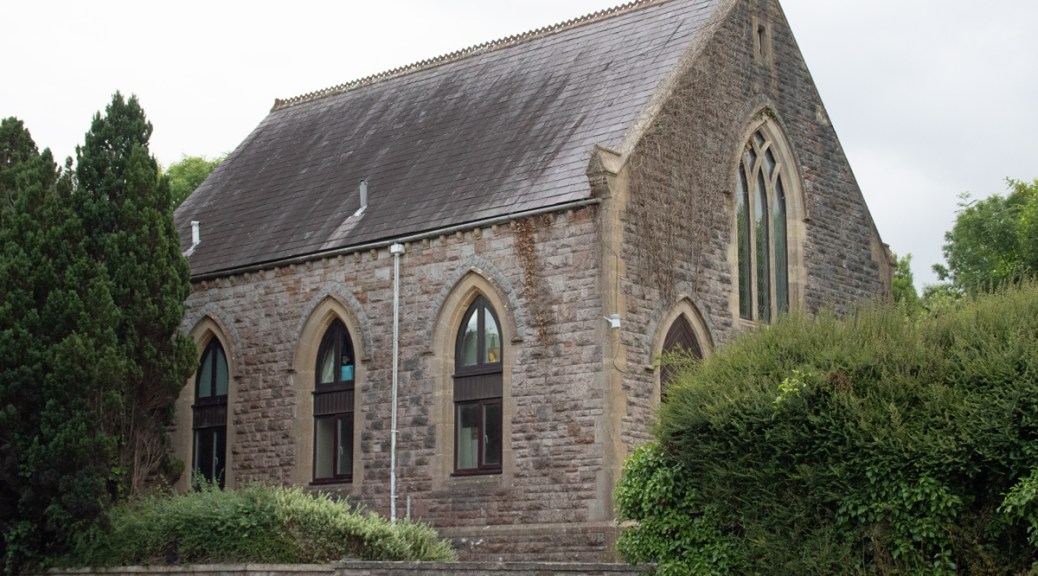
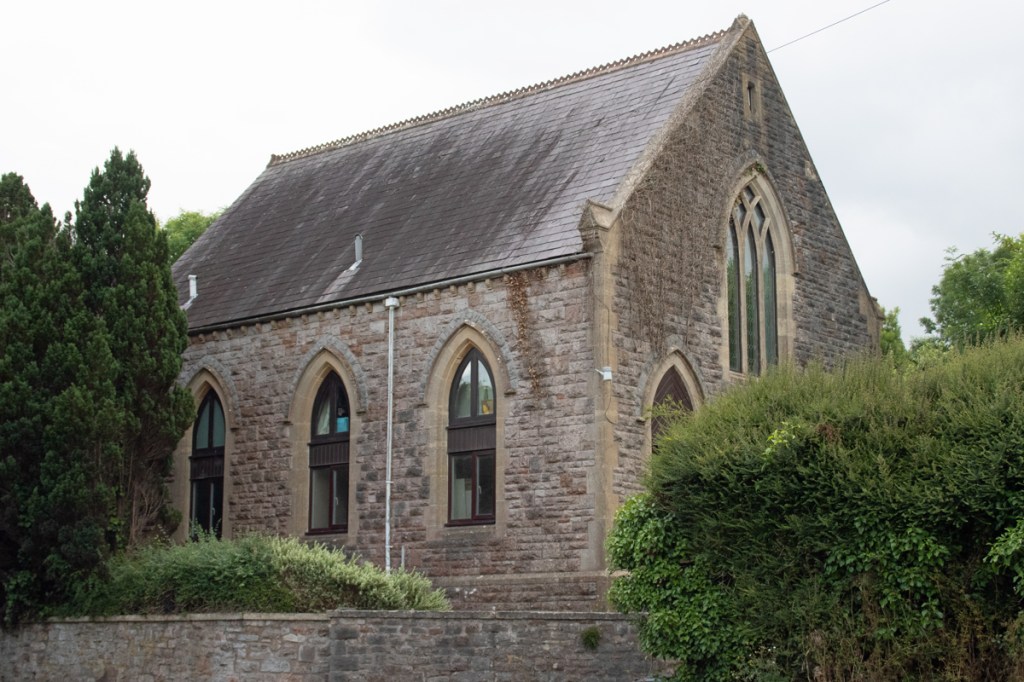
On the main road between Glastonbury and Wells, on the outskirts of the village of Coxley is the old Wesleyan Methodist Chapel. Now converted to a house, its back garden contains the remains of Private WR Parsons, who died in January 1919.

William Reginald Parsons was born on 22nd February 1895 in the hamlet of Chilton Burtle, near Bridgwater. The second of eight children, his parents were Wallace and Harriet Parsons. By the time of the 1901 census, the family had moved to Wells, where William was employed as a platelayer by Great Western Railways.

When he left school, William found employment as a paper maker, and was employed by the St Cuthbert’s Paper Mill to the west of the city. He wanted bigger and better things, however, and, on 11th April 1912, he enlisted in the Royal Marine Light Infantry.

Private Parsons’ service records show that he was 5ft 6.5ins (1.68m) tall, with brown hair, hazel eyes and a fresh complexion. It was also noted that he had a small scar on the right side of his back. Initially sent to the regiment’s depot in Deal, Kent, this is where he was tested for his swimming ability: he passed on 24th June 1912.

William remained in Deal until the end of the year. After seven months in Portsmouth, Hampshire, he embarked on a number of postings that lasted for the next six years. Initially assigned to the battleship HMS Bulwark, Private Parsons’ main posting was on board another battleship, HMS Zealandia.

Primarily based guarding the North Sea Coast, Zealandia also served in the Mediterranean, sailing as far as the Dardanelles towards the end of 1915. In all, Private Parsons spent more than three years on board the battleship.

William’s next posting was on board the cruiser HMS Royalist, on which he served until the end of the First World War. While he was on board, it appears that he became unwell, and he was admitted to the Royal Naval Hospital in Granton, near Edinburgh. Details of his condition are not readily available, but they were serious enough for him to succumb to them: he passed away on 30th January 1919, at the age of just 23 years old.

The body of William Reginald Parsons was brought back to Somerset for burial. He was laid to rest in the quiet churchyard of the Wesleyan Methodist Chapel in Coxley.


(c) Sharky Ward 2025

As the chapel is now a family home, its garden is not readily accessible. The photo of Private Parsons’ grave was taken by Commonwealth War Graves Commission volunteer Sharky Ward, to whom I am indebted for its use.


Lieutenant Harold Redler

Lieutenant Harold Redler

News has been received at Bathpool, Taunton, that Lieutenant HB Redler, MC (RAF), was killed while flying at Turnberry, near Ayr. Lieutenant Redler, who was 21 years of age, was the eldest son of Mr and Mrs DB Redler, of Moorreesbury [sic], South Africa, and formerly of Bathpool, Taunton, and he sailed from South Africa with a schoolfellow at the end of 1915, at the age of 18, in order to join the Royal Flying Corps. On arrival in England they found no vacancies, and entered the Artists’ Rifles OTC, from which they joined the RFC. After obtaining his commission, Lieut. Redler spent a few months in France last year, and was then sent to Ayr as a fighting instructor. In March of this year he was sent to France for a six weeks’ course, during which he won the Military Cross, and it is believed that his record will show a total of nearly twenty enemy machines brought down.

Taunton Courier and Western Advertiser: Wednesday 3rd July 1918

Harold Bolton Redler was born in Worcester, Worcestershire, on 27th January 1897. The oldest of five children, his parents were Daniel and Annie. Daniel was a flour miller from Devon, and the family had moved to Worcester the year before Harold was born.

In 1903, the Redlers emigrated to South Africa. Initially settling in King William’s Town (now Qonce), they moved to Moorreesburg after the birth of Harold’s youngest sibling, Norman, in 1906.

Harold was educated at the Bishops Diocesan College in Rondebosch, Cape Town, and it was from here that he and his friend decided to step up and serve their King and Empire. Sadly, his service records have been consigned to history, and only the newspaper report remains to piece together his time in service.

Lieutenant Redler’s awarding of the Military Cross, however, is documented:

For conspicuous gallantry and devotion to duty. He encountered four enemy two-seater machines and attacking the lowest drove it to the ground with its engine damaged. Later he attacked one of five enemy two-seater machines and drove it down out of control. He has destroyed in all three enemy machines and driven three others down out of control. He continually attacked enemy troops and transport from a low altitude during operations and showed splendid qualities of courage and determination throughout.

London Gazette: 22nd June 1918

On the morning of 21st June 1918, Lieutenant Redler was flying a de Havilland DH9 aircraft, accompanied by Captain Ian Henderson. The plane was fitted with a Lewis gun, which the pair were testing. At 10am, the aircraft crashed, and both were killed. No immediate cause was identified, and their RAF cards record an open verdict. Harold was just 21 years of age.

With his parents and siblings in South Africa, Harold Bolton Redler’s body was taken to Somerset for burial. He was laid to rest with his paternal grandparents in the peaceful St Augustine’s Churchyard in West Monkton.


Lieutenant Harold Redler

Captain Frederick Walker

Captain Frederick Walker

Frederick Murray Walker was born on 29th July 1862 in the village of Terregles, Kircudbrightshire, Scotland. The fifth of eleven children, his parents were Colonel Sir George Gustavus Walker, Member of Parliament for Dumfries & Galloway, and his wife, Anne. Sir George owned the Crawfordton Estate, and this is where Frederick was raised, with a retinue of fourteen staff to help the family.

Following his father’s military career, Frederick felt a draw to serve. On 15th July 1875, he entered the Royal Navy as a Midshipman. He set out to build a dedicated career, visiting most parts of the world in the process.

While Frederick’s initial service took him to the Mediterranean – where he received the Egyptian Medal and Alexandria Clasp – by 1883 he was out in China, but he also spent time in India and South Africa. In 1882 he was promoted to Sub Lieutenant, three years later he rose to the rank of Lieutenant. By 1899, Frederick had become a Commander.

By his own request, Frederick retired from the Royal Navy on 1st August 1909. He was now 47 years old, and had spent 34 years in service and was given the rank of Captain as a mark of his career.

On 19th June 1891, Frederick had married Lucy Scriven in St Saviour’s Church, Paddington, London. They would go on to have seven children, and to begin with, the life of a Naval Captain took Lucy around the coastal ports of Southern England. When Frederick retired, however, the family settled in a large house in Milford-on-Sea, Hampshire, where they were supported by a governess, cook, parlour maid and housemaid.

When war broke out in 1914, Captain Walker stepped up once more to serve his King and Country. He remained in territorial waters and was given successive command of the yachts James, Zaria and Albion III. By 1917, Frederick’s health was beginning to suffer, and he was placed on HMS Victory’s reserve books, ready should Portsmouth’s Royal Naval Dockyard need his service.

Frederick was not to be called to action again. By the time the Armistice was declared Frederick’s condition was worsening. He had developed cancer of the tongue, and it was having a real impact. He was admitted to the Haslar Hospital in Portsmouth, and passed away there on 7th February 1919, at the age of 46 years old.

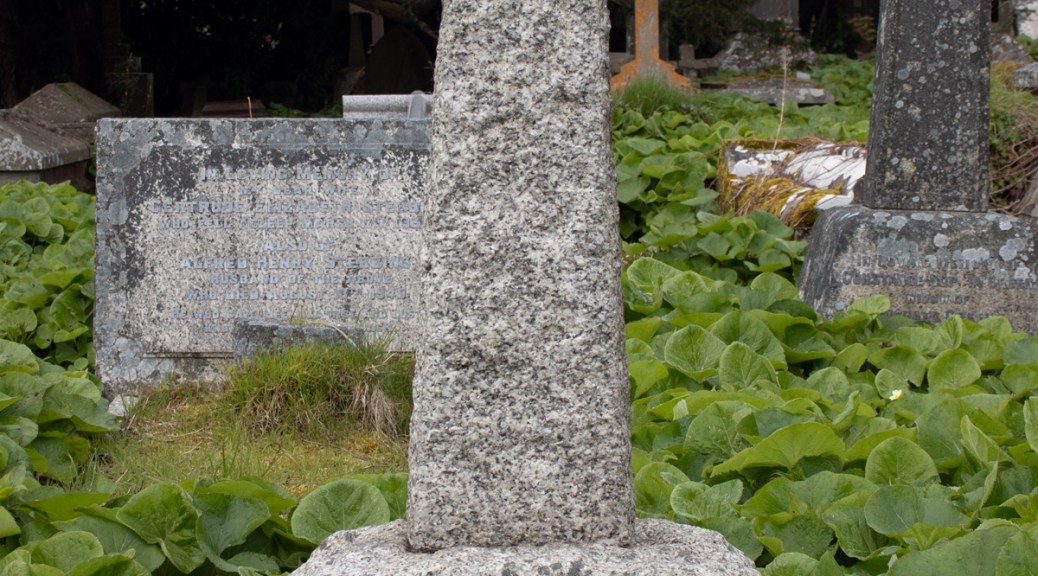
By this point the family had relocated to Bath, Somerset, and this is where Frederick Murray Walker’s body was brought for burial. He was laid to rest in the prestigious Lansdown Cemetery, overlooking the city.


Captain Frederick Walker
(from ancestry.co.uk)

Stoker 1st Class Sidney Goddard

Stoker 1st Class Sidney Goddard

Sidney Goddard was born on 2nd January 1889 in the village of Oldland Common, near Bristol. The youngest of three children, his parents were Albert and Frances Goddard. Albert was a shoemaker, but by the time of the 1911 census, he and Frances had set up home in Saltford, between Bristol and Bath, where he was recorded as being a bootmaker and innkeeper at the village’s Jolly Sailor.

Sidney, by this time, had gone his own way. On 17th January 1917, he enlisted in the Royal Navy as a Stoker 2nd Class. His service records note that he had been working as a collier when he joined up, so it seemed that coal ran through him. The same records note that Sidney had dark brown hair, brown eyes and a fresh complexion. He was also recorded as being was 5ft 5.5ins (1.66m) tall, and having a number of tattoos: a true lovers’ knot on his left wrist, several dots on his left arm. He had three dots on his right arm, a scar on his back and another on the inside of his left shin.

Stoker Goddard was initially sent to HMS Vivid, the Royal Naval Dockyard in Devonport, for training. After a couple of months he was assigned to the cruiser HMS Amphitrite. It is evident that Sidney showed promise, because he was promoted to Stoker 1st Class on 22nd April, just three months after he enlisted. He returned to Devonport in May, but this was only to change assignments: he boarded HMS Blake, another cruiser, a few days later.

Over the next eight years, Stoker 1st Class Goddard served on five further vessels, returning to HMS Vivid in between assignments. On 1st July 1915, he was assigned to the newly commissioned minesweeper HMS Larkspur. In November that year, she came into Merklands Wharf in Glasgow.

[Sidney] met his death while assisting in docking his ship at Glasgow on the afternoon of Wednesday, November 3rd. By some mischance he was thrown into the dock, and in falling his head struck either on the boat’s side or on the dock. It is believed that he was rendered unconscious by the blow, as otherwise, being a good swimmer, he would have been able to keep afloat till help came.

Bath Chronicle and Weekly Gazette: Saturday 13th November 1915

Stoker 1st Class Sidney Goddard was just 26 years of age when he died. His body was brought back to Somerset for burial. He was laid to rest in the peaceful graveyard of St Mary’s Church, Saltford, within walking distance from the Jolly Sailor, where his parents still lived.


Sidney has the dubious honour of being the only member of HMS Larkspur’s crew to die during the First World War. His two older brothers also served in the conflict, Maurice in the Royal Marines and William, who was a Leading Seaman on board HMS Spitfire when he was killed during the Battle of Jutland.


Stoker 1st Class Sidney Goddard
(from britishnewspaperarchive.co.uk)

Yeoman of Signals Alfred Collins

Yeoman of Signals Alfred Collins

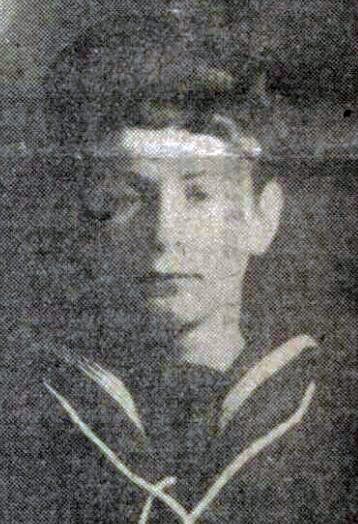
Alfred Henry Collins was born on 22nd August 1886, in the Gloucestershire village of Wotton-under-Edge. One of five children, his parents were cowman and farm labourer Samuel George Collins and his wife, Jane. Samuel’s work took the family south, and by the time of the 1901 census, the Collinses had settled in Whitchurch, near Bristol.

When Alfred finished his schooling, he also found employment labouring on a farm, but he was drawn to a more reliable career and a life at sea. On 9th March 1903, Alfred enlisted in the Royal Navy. His service records show the young man he was becoming. He was 5ft 4ins tall, with brown hair, brown eyes and a fresh complexion.

Alfred was still underage in the navy’s eyes, and so he was given the rank of Boy 2nd Class. He was assigned to HMS Northampton, a training ship, and must have shown some promise, as within three months he had been promoted.

In June 1903, Boy 1st Class Collins was assigned to HMS Victory, the Royal Naval Dockyard in Portsmouth, Hampshire, and his trajectory was still upwards. When he turned seventeen on 22nd August, Alfred was formally enrolled in the Royal Navy, and was given the rank of Ordinary Seaman. However, his training in Portsmouth continued, and by November he had become a Signalman.

In December 1903 he was posted to the cruiser HMS Isis and, over the next decade he served on ten different ships, returning to HMS Vivid, the Royal Naval Dockyard in Devonport, in between voyages. During this time he was promoted to Leading Signalman, and his annual reviews showed him as having a very good character and a superior ability.

With war now brewing across Europe, the role of the navy intensified. When conflict was declared, Leading Signalman Collins was serving on board the cruiser HMS Pomone and, after nine months back at HMS Vivid, possibly in a training role, Alfred was assigned to the newly-refitted battleship HMS Bellerophon, on board which he would serve for more than two years.

Bellerophon served at the Battle of Jutland, and remained patrolling the southern part of the North Sea for the rest of the war. In July 1917, Alfred was promoted again, to Yeoman of the Signals, and transferred to HMS King George. He remained in the North Sea, but his new ship was there to protect the convoys transporting good between the UK and Norway, so he was based in Scotland.

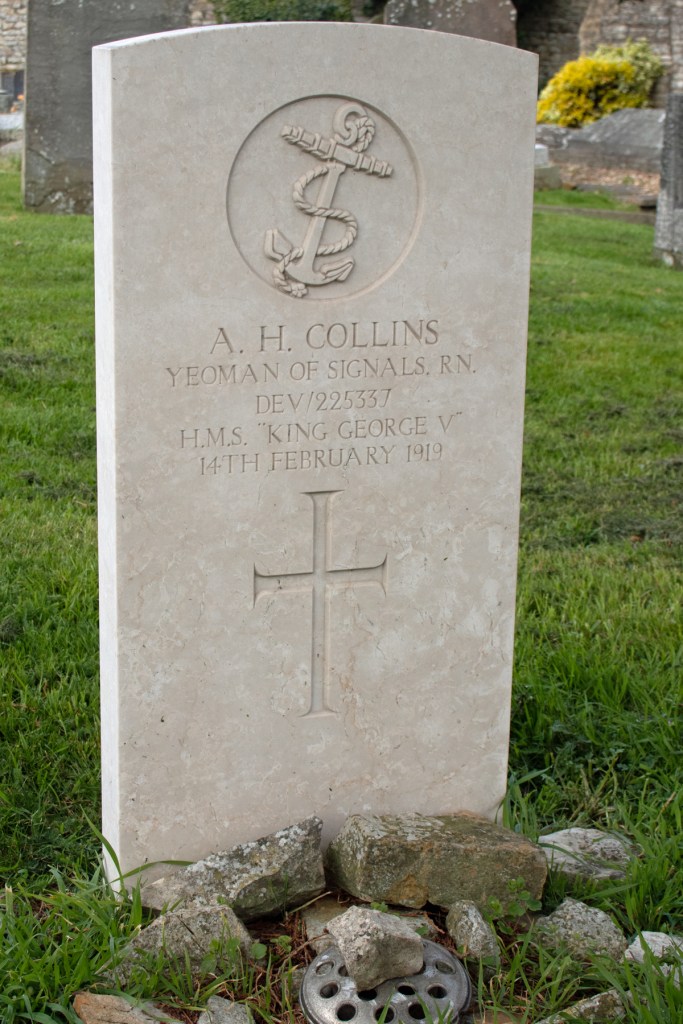
Yeoman of the Signals Collins survived the war, but in February 1919 he was admitted to the Royal Naval Hospital in Granton, near Edinburgh, suffering from pneumonia. Sadly, the condition was to get the better of him and he died on 14th February 1919, at the age of 32 years old. He had served for just short of sixteen years.

The body of Alfred Henry Collins was brought back to Somerset for burial. He was laid to rest in the graveyard of St Nicholas’ Church in Whitchurch.


Stoker 1st Class Albert Aven

Stoker 1st Class Albert Aven

Albert Aven was born on 18th December 1896 in the Somerset hamlet of Rodden. One of eleven children, his parents were Alfred and Elizabeth Aven. Alfred was a farm labourer, and farming was certainly something that his sons went into when they finished school.

When war came to Europe’s shores, however, Albert was keen to play his part. On 29th November 1915, he enlisted in the Royal Navy as a Stoker 2nd Class. His service records show that he was 5ft 5.5ins (1.66m) tall, with brown hair, blue eyes and a fresh complexion.

The record also suggests that he lied about his age, giving his year of birth as 1895. It is likely that Albert would have done this because there was a minimum age requirement, although, as he was already over that minimum age, it wouldn’t have made that much difference anyway.

Stoker 2nd Class Aven’s first posting was to HMS Pembroke, the Royal Naval Dockyard in Chatham, Kent, where he spent a couple of months undergoing training. At the end of January 1916, he was moved to HMS Gibraltar, an old cruiser, which patrolled the waters around the Shetland Isles.

After six months on board, and following a further month in Chatham Dockyard, Stoker Aven was assigned to HMS Test. She was a destroyer that patrolled the waters of the Humber Estuary, and Albert spent the next sixteen month with her. During this time, he was promoted to Stoker 1st Class, but the Test was also to be the last ship he served on.

On 8th November 1918, Stoker 1st Class Aven was ashore at the naval base in Hull, when he fell into a dry dock, dying instantly. Little additional information is available – and indeed contemporary newspapers are silent on the matter – but his service records report “Death caused by accidental fall into dry dock at Hull. Verdict of accidental death returned at inquest.” He was just 21 years of age.

Albert Aven’s body was brought home to Somerset for burial. He was laid to rest in the tranquil graveyard of All Saints’ Church in Rodden.


Driver Henry Sweet

Driver Henry Sweet

Henry – or Harry – Sweet was born on 31st July 1887 in the Somerset village of Merriott. He was the fourth of seven children to Edward and Emma Sweet. Emma had married Edward after her first husband, John, had died, and so Harry also had three half-siblings.

Edward was an agricultural labourer by trade, but by the time of the 1901 census he had turned his hand to brewing, and listed his trade as a maltster. Harry’s older brother John, was also recorded as a maltster, while he had left school and was noted as being a brewery hand.

The next census, in 1911, found Emma and Edward heading up the family in Crewkerne, brewing for, and working at, the Volunteer Inn. Harry was working with his father, while two of his sisters – Prudence and Beatrice – were still living at home and working as shirt and collar machinists. Making up the household were Harry’s other sister, Ellen, who was a shirt ironer, and her husband George, who was recorded as a web weaver. In all there were seven wages coming into the household, meagre salaries though they may have been.

On 26th December 1911, Harry married Rosina Woodland in the parish church in Crewkerne. She was the daughter of Walter Woodland, a local labourer, although there is little further information on her family.

When war came to Europe, Harry wanted to play his part. Full details of his military service are lost to time, although he had certainly enlisted in the Royal Army Service Corps by the start of 1917. Driver Sweet served in the Eastern Mediterranean, and was ensconced in Salonika, in Northern Greece, for nearly two years.

Harry suffered on and off with dysentery, and was moved to the 4th Scottish General Hospital in Glasgow in January 1919 for treatment. This was initially successful, but while was was admitted he contracted a combination of bronchitis and pneumonia, and these were ultimately to take his life. Driver Sweet passed away on 13th February 1919, at the age of 31 years old.

Henry Sweet’s body was brought back to Somerset for burial. He was laid to rest in the Townsend Cemetery in his home town of Crewkerne.


Petty Officer Stoker William Dyer

Petty Officer Stoker William Dyer

William Henry Dyer was born on 26th March 1895, in Bath, Somerset. He was the only child of William and Elizabeth Dyer. Elizabeth had had a son prior to her marriage to William Sr, and so William Jr had a half-brother, Sidney.

Elizabeth tragically passed away in December when her youngest was only a toddler. William Sr went on to marry again, to a Sarah Chivers. The couple went on to have a family of their own, giving William Jr and Sidney a further five half-siblings.

William Sr was a carman and, when his son left school, he also found carting work, the 1911 census recording him as being a milk carrier. He wanted bigger and better things, however, and, on 8th April 1913, a fortnight after his eighteenth birthday, he joined the Royal Navy.

William’s service records show that he was working as a van guard on the railway at the time of his enlistment. He was 5ft 7ins (1.7m) tall, with light hair, grey eyes and a fresh complexion. He joined as a Stoker 2nd Class, and was initially assigned to HMS Vivid, the Royal Naval Dockyard in Devonport.

After six months’ training, William was assigned to the dreadnought battleship HMS Ajax. She became his home for the next four years, patrolling the North Sea during the conflict and, in June 1916, was involved in the Battle of Jutland. During his time on board, William rose through the ranks, becoming Stoker 1st Class in August 1914, Leading Stoker in August 1916 and Petty Officer Stoker in October 1917.

In January 1918, William returned to HMS Vivid for a few weeks He was then given a new posting, on board HMS Sandhurst, based at Scapa Flow in the Orkneys. Petty Officer Stoker Dyer was to spend the next ten months here, albeit with a short break that autumn.

It was during this period of leave that William married Lily Sarah Bethia Durbin. She was the daughter of a miner, and the couple married in Clutton, Somerset. Their time together was to be brief, however, as William soon returned to Scotland.

It was while Petty Officer Stoker Dyer was back at HMS Sandhurst that he developed pneumonia. Sadly, the condition was to get the better of him. He passed away on board on 27th November 1918, at the age of just 23 years old.

William Henry Dyer’s body was brought back to Somerset for burial. He was laid to rest in St James’ Cemetery in Bath.


Lily had been a wife for just a matter of weeks, and was now left a widow. In 1926 she remarried, to baker and confectioner Albert Farmer. The couple lived a long and happy life, celebrating their 59th wedding anniversary before Albert died in 1985. Lily lived on, passing away in January 1997, at the ripe of age of 98 years old.